
Last updated November 17, 2026
 Kitchen remodeling
 Bathroom remodeling
 Home additions & ADU
 Roofing
 Windows & doors
 Driveway & pavers
 Fence
Free written scope consultation - allowances, timeline, and change-order rules on paper before a single trade is scheduled
Construction Permits, Codes & Inspections in CA: What You Need to Know
Here’s a fact that catches California homeowners off guard: an unpermitted addition on your property can give your insurer grounds to deny a claim for a completely unrelated incident, like a kitchen fire or a burst pipe in a different room. The carrier isn’t being cruel. Your policy is priced on a home that was built and inspected to code, and once a non-compliant structure is on the property record, the whole risk picture changes. We’ve watched Antioch homeowners learn this the hard way, usually at the worst possible moment. This guide walks the California permit and inspection system from your side of the table, not the contractor’s.
Quick Answer
In California, most structural, electrical, plumbing, mechanical, and energy-affecting work requires a permit from your local building department before work begins, followed by inspections at defined stages before the work gets covered up. Permits protect your resale value, your insurance coverage, and your family’s safety, and the cost of pulling one is small next to the cost of selling a home with unpermitted work. In Antioch, most residential permits are reviewed by the city’s Community Development Department, with state rules like Title 24 layered on top.
Styles & brands we work with
- Kitchen remodeling
- Bathroom remodeling
- Home additions & ADU
- Roofing
- Windows & doors
- Driveway & pavers
- Fence
Table of Contents
- What Antioch’s Building Department Reviews vs. What Goes to the State
- Where California Requires a Permit but Contractors Routinely Skip It
- How Title 24 Energy Compliance Affects Your Renovation
- The Inspection Sequence for Common Projects
- What a Failed Inspection Actually Costs You
- How to Verify Your Contractor Pulled the Permit Correctly
- What to Do If You Discover Work Was Done Without a Permit
- Common Mistakes to Avoid
What Antioch’s Building Department Reviews vs. What Goes to the State
The single biggest source of permit delay we see on Antioch projects comes from conflating two different review tracks. Your local building department handles the plan check, the inspections, and the final sign-off on the structure itself. The state, through the California Energy Commission and its Title 24 rules, sets the efficiency standards your project has to meet. When a homeowner or a contractor submits plans that ignore the state layer, the local reviewer kicks it back, and the clock restarts.
Here’s how the two tracks break down in practice:
- Local review (Community Development Department): Structural adequacy, site setbacks, zoning conformity, egress, fire separation, and the field inspections that verify the work matches the approved plans. In Antioch, this is where your plan check happens, and where a project in the older downtown grid or a hillside lot in the Somersville area may get extra scrutiny on drainage and grading.
- State review (Title 24 and related): Energy performance of the envelope, HVAC, water heating, and lighting. This is documented in a compliance report prepared by a certified energy consultant, and it’s a required attachment on many renovation permits.
The practical rule: your local reviewer is the gatekeeper, but they enforce state standards. A permit package that only satisfies the city’s own requirements will stall. We’ve seen four-week delays on Antioch kitchen and addition projects that could have been avoided by getting the energy documentation into the submittal from day one. If you’re planning an ADU or home addition in Antioch, expect both tracks to apply and budget the time for them.
Where California Requires a Permit but Contractors Routinely Skip It
The permit categories below are the ones where we most often find, during a site visit, that a previous crew did the work without one. Each of these is legally required in California and each carries a real risk if skipped. Notice how many are the kind of “small” job a homeowner might not think to question.
- Water heater replacement. A like-for-like swap still needs a permit in most California jurisdictions because it involves gas, venting, and seismic strapping. Skipped installs show up at resale and can fail a safety inspection.
- Re-roofing. Even a tear-off and replacement over the same square footage needs a permit. Roofing is where a hidden decking problem gets caught, which is exactly why it’s regulated.
- Electrical panel upgrades and sub-panels. Adding a circuit for a new range, hot tub, or EV charger often triggers a panel permit. An unpermitted panel is a fire risk and a common insurance snag.
- Fence installation above the local height threshold. In Antioch, fences over the standard height limit or on a property line with a slope or drainage concern need review. We see this skipped constantly before a fence installation in Antioch.
- Bathroom and kitchen remodels that move plumbing or electrical. A cosmetic refresh with no mechanical changes usually doesn’t need a permit. Move a drain, a supply line, or add a circuit, and it does.
- Window and door replacement in certain cases. A simple like-for-like window swap is often exempt, but a larger opening, a change in glazing area, or a change in the assembly’s U-factor can pull in Title 24 (see below).
- Driveway and hardscape work that changes grading or drainage. Paving over a swale or regrading toward a neighbor’s lot can require a permit and a drainage plan before a pavers or driveway project in Antioch.
The pattern is the same: a contractor who skips the permit saves a few hundred dollars and a few days, then passes the legal and financial risk to you. The permit is registered to the property, not to them. That risk stays with the house long after the crew has driven away.
How Title 24 Energy Compliance Affects Your Renovation
Title 24 is California’s building energy efficiency standard, and it’s the reason a “simple” window replacement can suddenly require a full energy report. The trigger isn’t the number of windows. It’s whether the change affects the building’s overall energy compliance – typically when you replace a certain amount of glazing area, change the window assembly’s U-factor or solar heat gain properties, or the home already has a compliance requirement on record that needs to be maintained.
What this means for a real Antioch project:
- A like-for-like swap on a couple of windows in a 1970s ranch in the Antioch hills often proceeds under a simple prescriptive path, and the permit is straightforward.
- A whole-house window replacement, or a change to larger glazing or different glass, frequently needs a Title 24 energy report prepared by a consultant before the local reviewer will approve it. That report adds cost and time to the front end.
- Patio door replacements, additions with new fenestration, and any project that changes the conditioned envelope will usually fall into the report category.
This is where premium materials earn their keep. When we specify windows from Andersen or Marvin, the assembly performance data comes with the product, which makes the compliance documentation cleaner and the review smoother. It’s one reason we lean on brand partners whose spec sheets a building department can actually read. For the homeowner, the takeaway is simple: ask about Title 24 before you sign a window or addition contract, not after plan check kicks it back. The same efficiency logic applies when we spec a bath with Schluter waterproofing systems – the assembly has a documented performance path, which keeps the plumbing and envelope inspections clean.
The Inspection Sequence for Common Projects
Inspection stage gates are non-negotiable in California. Work gets signed off in sequence, and each stage has to pass before the next one can be scheduled and before the work gets hidden behind drywall, stucco, or soil. Here’s the typical sequence for the three project types we run most often in Antioch. Use this as a checklist, not a DIY manual – framing, rough-in, and structural work are not homeowner tasks.
Kitchen or bathroom remodel (interior, with moved plumbing/electrical)
- Pre-construction / permit issuance. Approved plans and a posted permit on site before any demolition.
- Rough-in inspection. Plumbing and electrical run through open walls, checked before insulation and drywall go in.
- Framing and wall inspection. Any new or modified framing is checked here.
- Insulation / envelope inspection. If the project touches the building envelope, Title 24 compliance is verified at this stage.
- Final inspection. Fixtures, finishes, and systems confirmed against the approved plans. Job is legal to close.
Addition or ADU
- Site and foundation inspection. Footings, grading, and drainage checked before pouring.
- Framing and shear inspection. Structural work verified before the envelope closes.
- Rough plumbing, electrical, mechanical. Systems inspected in sequence.
- Insulation and Title 24 envelope.
- Final inspection and certificate of occupancy. The ADU is legally habitable only after this step.
Roof replacement
- Pre-roof / tear-off inspection. Decking condition and underlayment checked after tear-off.
- Final roof inspection. Flashing, ventilation, and completion verified.
We build our Antioch schedules around these gates. The jobs that fall behind are usually the ones where an inspector finds a sequencing problem, like insulation installed before rough-in was signed off. A single re-inspection adds days to a project and stress to your week.
What a Failed Inspection Actually Costs You
A failed inspection is not the end of the project, but it’s rarely the minor bump contractors describe. Here’s what it actually costs in real terms, based on what we’ve seen on Antioch jobs.
- Calendar time. A re-inspection typically adds several business days to a week, depending on the inspector’s schedule. On a remodel, that can cascade into drywall, paint, and finish trades being rescheduled, which pushes the whole project.
- Labor and material re-work. If framing wasn’t packed or a rough-in wasn’t properly vented, the correction means opening up walls and re-doing work. The cost lands on whoever writes the change order, and you should be clear on who that is before you sign.
- Scope creep for the inspector. A failed inspection can bring other parts of the project under scrutiny that had been signed off previously. It’s not unusual for a related issue to surface.
- Legal exposure if the wrong person did the work. If the failure reveals that a licensed trade was not on the job, or that work was concealed, the property owner takes on the risk of a permit being pulled retroactively or the job being ordered to stay open until corrected.
- Financing and insurance impact. A job that doesn’t close out its final inspection can complicate a refinance, a sale, or an insurance renewal. Lenders and carriers increasingly check permit history before finalizing.
The pattern we want homeowners to internalize: a permit tightens your contractor’s hand, and that’s good for you. A crew that schedules inspections before they cover up work, and that passes them cleanly, is telling you something about how they run a business. Our 730-Day Done Right Promise exists because we expect work to be inspected and to hold up; if it’s not done right, we make it right, for two years after the final walkthrough.
How to Verify Your Contractor Pulled the Permit Correctly
You have more leverage here than most homeowners realize. Permits are public records, and you can verify them before, during, and after a project. Here’s the process we recommend on every job, regardless of contractor.
- Ask for the permit number in writing. Before work starts, request the permit number and the issuing jurisdiction (City of Antioch or Contra Costa County, depending on the property). You should be able to look it up yourself.
- Confirm the permit is registered to the property address and the correct scope. The permit should list your address and match the work being done. A permit pulled for “general renovation” when the project is a full addition is a warning sign.
- Check the permit is in your name as the property owner. The owner is the party of record on most residential permits. If it’s in the contractor’s name or a third party’s, ask why in writing.
- Request the inspection schedule and copies of signed inspection cards. You have a right to see the sign-offs. A contractor who handles this transparently is telling you they have nothing to hide.
- Track the final inspection and get the final sign-off. Don’t close out the contract or make final payment until the final inspection is signed and you have a copy in hand. This is the single most important document on a permitted job.
If the contractor resists any of these steps, treat it as a signal. A licensed contractor pulling permits the right way has no reason to hide the paperwork. And if your project involves retaining stability like a foundation or structure, you’ll want to know the permit is right. Our Groundwork Construction Co. of Antioch home is where a conversation starts; we’re happy to walk you through the permit process on a free estimate.
What to Do If You Discover Work Was Done Without a Permit
This happens more often than anyone admits. You buy a home, or you finish a project with a contractor who “handled the paperwork,” and later you find out the addition, the roof, or the panel was never permitted. Here’s the order to take action in, so you protect your options.
- Do not panic and do not start demolition. Unpermitted work is not automatically illegal to keep; it’s a compliance issue that has to be resolved, and the resolution path is usually through the building department, not a wrecking ball.
- Document everything. Photos, the contractor’s contract and payment records, any inspection cards, and the property’s permit history from the city or county. This record becomes the basis of your case.
- Get a licensed professional to assess the work. A qualified contractor or engineer can tell you whether the work is safe and structurally sound. That assessment tells you whether you’re looking at a retroactive permit or a rebuild.
- Contact the building department. The City of Antioch’s Community Development Department is where a retroactive permit application begins. Be direct about the situation; reviewers deal with this routinely and prefer a homeowner who’s working in good faith.
- Contact your insurance carrier proactively. If you discovered the issue because of a claim, tell them. If you haven’t had a claim, ask your agent to review the policy with the unpermitted work in mind. Early disclosure is far better than a denied claim later.
- If the work was recent and the contractor is responsible, put your demand in writing. Licensed contractors are generally on the hook for work they performed without required permits. A letter from you, and a call from an attorney if needed, is where this starts.
What we tell Antioch homeowners facing this: the sooner you start the process, the cheaper it tends to be. Unpermitted structural work that sits for years and comes up at a sale is a worst-case scenario; an honest resolution now is a manageable one.
Common Mistakes to Avoid
- Assuming a contractor’s “we’ll handle the permits” means they will. Get it in writing, get the permit number, and verify it yourself. The most common costly mistake in Antioch is trusting a verbal promise at the kitchen table.
- Paying the final invoice before the final inspection is signed. The final sign-off is your proof the work is legal and complete. Hold final payment until you have that document, every time.
- Treating a bathroom or kitchen refresh as “no permit needed.” If the project touches plumbing or electrical, it almost always does. Aesthetic work that stays cosmetic usually doesn’t; mechanical changes usually do.
- Replacing windows without checking Title 24 first. The energy report can be the difference between a permit that sails through and a plan check that stalls for a month. Ask about it at the estimate stage.
- Hiring a crew that won’t put the permit in your name. A permit registered to the property protects you; a permit registered to the contractor or a third party does not, and it can leave you exposed at resale.
- Letting a failed inspection go unaddressed while the crew keeps working. A single unclosed inspection can hold up the final certificate, the sale of the home, and your insurance. Make the correction the priority it is.
- Buying a home without checking its permit history. In Antioch’s older neighborhoods, it’s common to find unpermitted additions and roof-over-roof jobs. Request the permit history before you close.
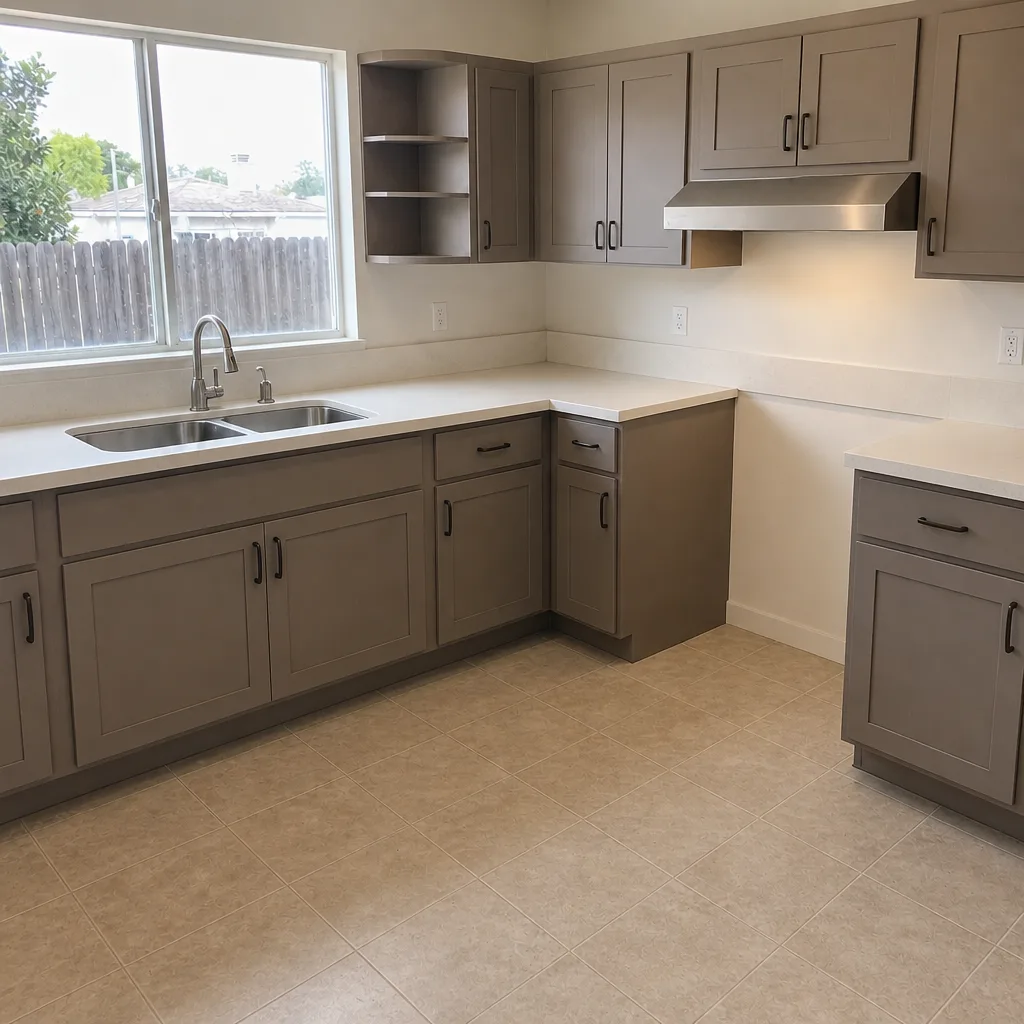
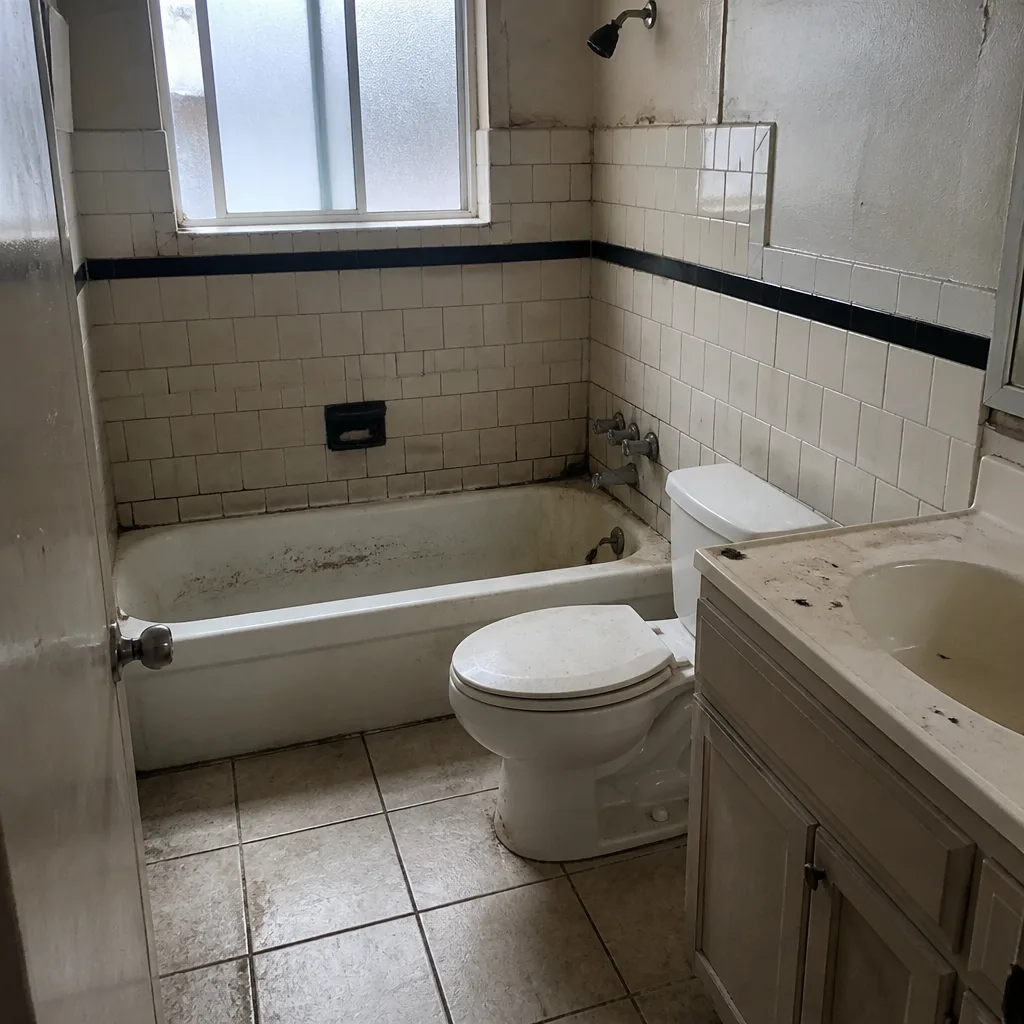
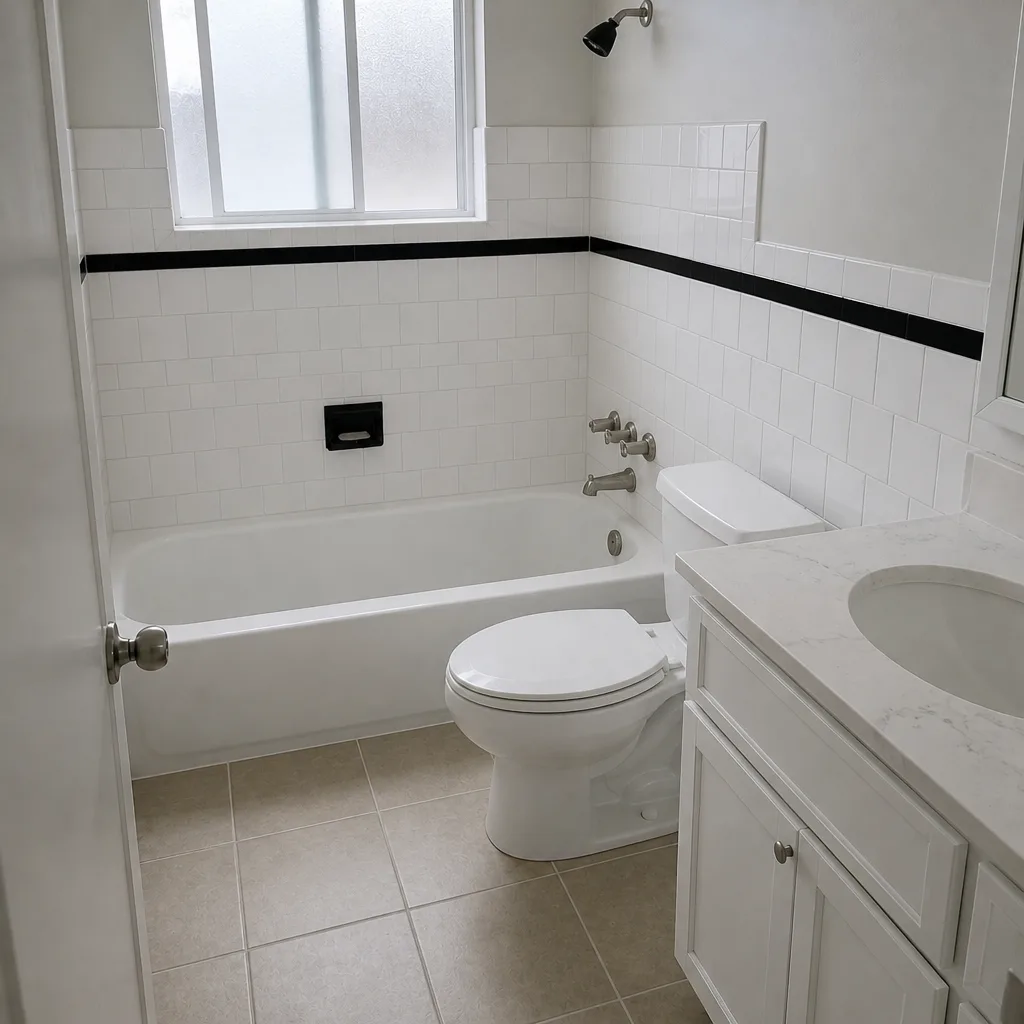
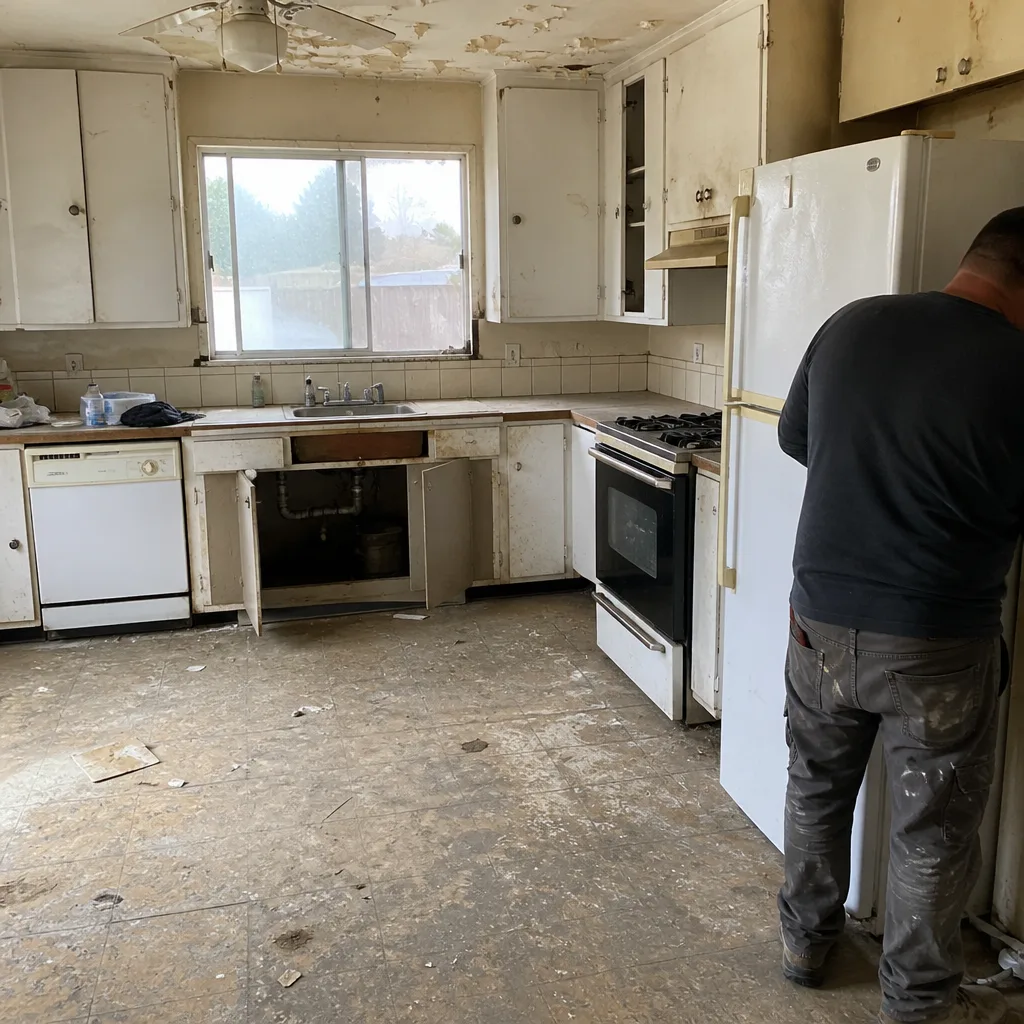
See the difference
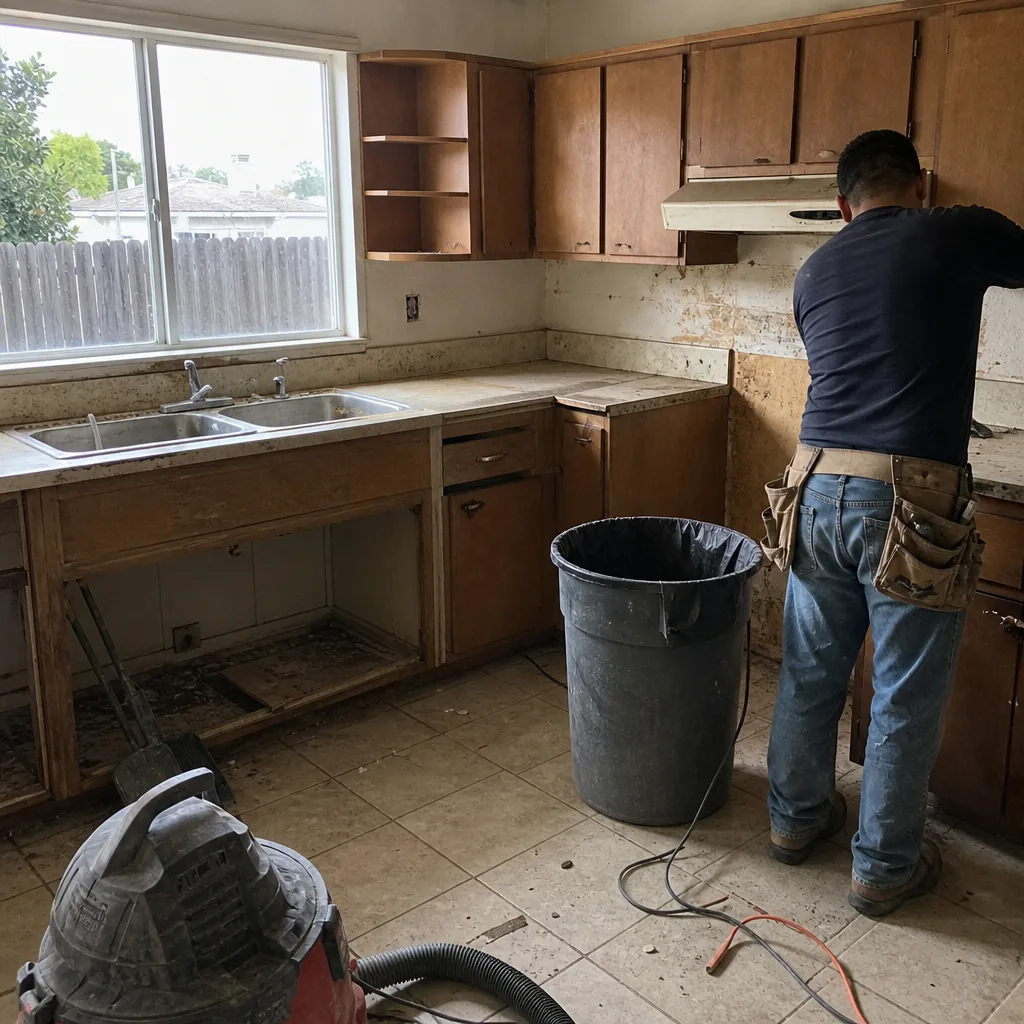 Before
 After
 Before
 After
 Before
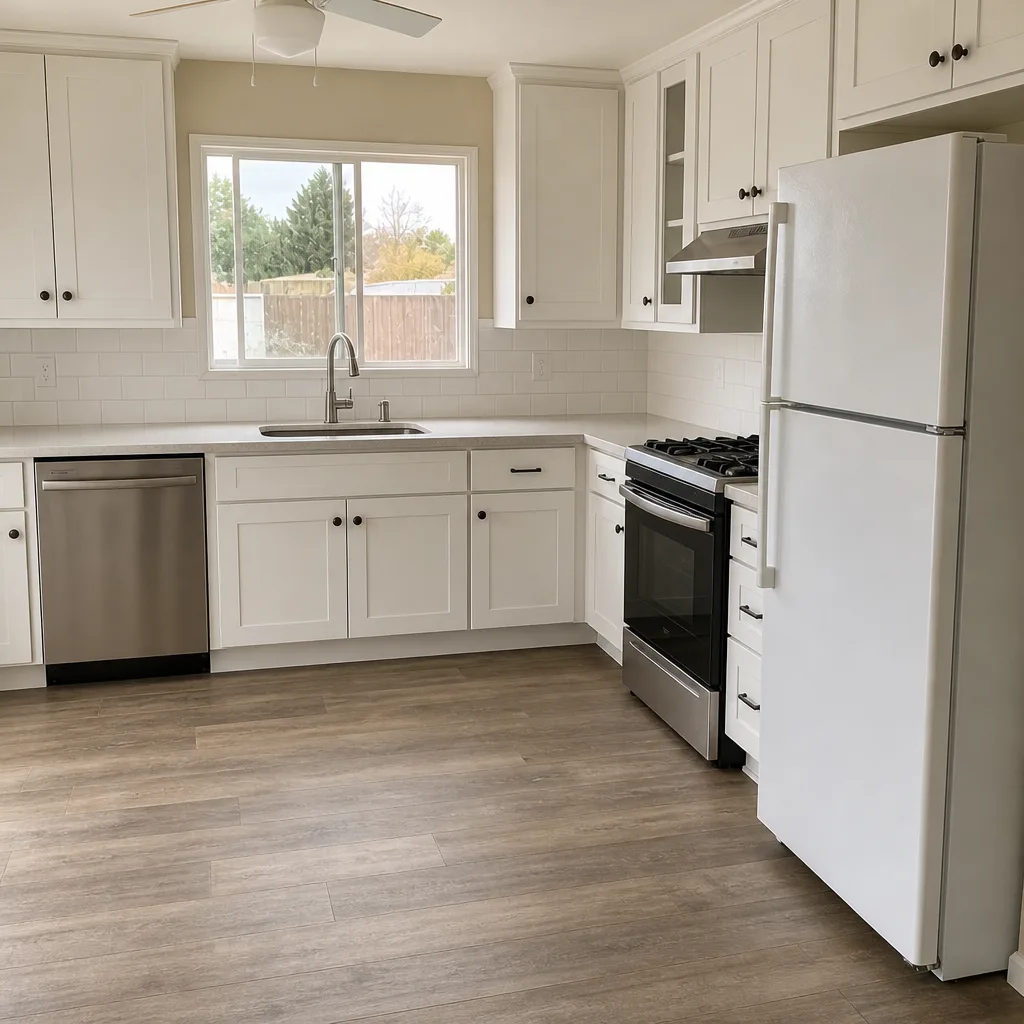 After
When to Call a Professional
Call a licensed contractor the moment your project involves structural changes, electrical panel work, gas, plumbing rough-in, a new addition or ADU, a roof replacement, or any grading or drainage change on your lot. These are the exact categories where California law requires a permit and where an inspector will be involved. The stakes are too high to delegate to a mail-order crew that may not be licensed or insured. We’ve seen too many Antioch homeowners try to save money on a project that then costs them far more when the work has to be torn out and redone. Groundwork Construction Co. of Antioch offers free estimates in Antioch. Call (888) 419-3650 and we’ll walk you through the permit requirements for your specific project, with upfront pricing and no surprises. If workmanship is the issue, our 730-Day Done Right Promise backs every job from foundation to finish line.
Frequently Asked Questions
In Antioch, a bathroom remodel needs a permit if it involves moving or adding plumbing, electrical, or mechanical work, or changing the building envelope. A purely cosmetic refresh, like new paint, a vanity swap that doesn’t move plumbing, or new flooring, typically does not require a permit. Call (888) 419-3650 for a free estimate and we’ll confirm the permit status for your specific project.
The most common mistake is assuming a contractor handled the permit without asking to see the permit number and the final inspection sign-off. Permits are public records and easy to verify; a homeowner who asks for the paperwork at the estimate stage avoids most of the trouble. If a contractor resists showing it, that’s your answer, and you should call us instead at (888) 419-3650.
Yes. An insurer can deny or limit a claim if unpermitted, non-code-compliant work materially contributed to the loss, or if the unpermitted structure wasn’t disclosed and changes the home’s risk profile. Even claims for unrelated incidents can be affected if the non-compliant work is part of the property record. Call (888) 419-3650 for a free estimate and we’ll help you start the process of getting the work permitted correctly.
Sometimes. A like-for-like window swap often does not trigger a full Title 24 energy report, but a whole-house replacement, a change in glazing area, or a change to the assembly’s U-factor usually does. The only way to know for your specific home is to have the scope reviewed; we provide that at the estimate stage. Call (888) 419-3650 for a free estimate.
Not with us. Our upfront pricing means the number you see is the number you pay, and we build inspection-stage allowances into the estimate from the start. Change orders only occur if you change the scope, or if an inspector requires a correction that wasn’t evident during the site visit. Call (888) 419-3650 for a free estimate with a written line-item quote.
Yes. On any addition or ADU project we pull the permit in the property owner’s name, submit Title 24 documentation where required, and coordinate the full inspection sequence from foundation through final certificate of occupancy. Our technicians have up to 12 years of experience, and every project is covered by our 730-Day Done Right Promise. Call (888) 419-3650 for a free estimate.
The Bottom Line
California’s permit and inspection system is the homeowner’s legal safety net. It’s what makes an addition insurable, a roof a marketable feature rather than a liability, and a kitchen remodel worth what you paid for it. In Antioch, the projects that get into trouble are almost never the ones that pulled too many permits; they’re the ones that skipped a few. Verify the permit number, keep the final inspection sign-off, and treat a contractor who wants to skip the paperwork as a warning, not a bargain. When you’re ready to do it right, we’re here.
Written by the team at Groundwork Construction Co. of Antioch.