
Last updated November 17, 2026
 Driveway & pavers
 Kitchen remodeling
 Bathroom remodeling
 Home additions & ADU
 Roofing
 Windows & doors
 Fence
Free written scope consultation - allowances, timeline, and change-order rules on paper before a single trade is scheduled
The Complete Driveway & Pavers Guide for Antioch Homeowners
Most driveway paver guides are written for somewhere else. They assume sandy soil, gentle rainfall, mild summers, and a contractor labor market that looks nothing like the East Bay. Follow that generic advice in Antioch and you can end up with a buckled, rutted driveway inside of 18 months once the clay beneath it starts moving through a Delta heat cycle. If you’re searching for driveway pavers in Antioch CA and want a straight answer, here it is: the base depth, drainage slope, and material selection all have to be specified for local soil, and most online advice skips every one of those. This guide covers what actually holds up here – base specs, the materials that survive our summers, permits, and the exact line items you should see on a bid before you sign.
Styles & brands we work with
- Kitchen remodeling
- Bathroom remodeling
- Home additions & ADU
- Roofing
- Windows & doors
- Driveway & pavers
- Fence
Quick Answer
A driveway in Antioch needs a compacted base layer running deeper than the 4-inch minimum most guides cite, because the expansive clay under most local lots swells and shrinks through the seasons. Paver selection should favor dense concrete pavers rated for hot summers rather than thin stamped overlays or thin brick. And any quote should show excavation, base depth, compaction, geotextile, drainage slope, and finish materials as separate line items, plus a note on whether a city permit is required. Without those six items spelled out, you can’t compare bids honestly.
Table of Contents
- Quick Answer
- Why Antioch Soil and Heat Change the Game
- Base Depth: The Most Important Number on the Bid
- Best Paver Materials for Antioch’s Climate
- Permits and City Approval: When You Need Them
- Drainage and Slope: The Grade That Actually Works
- How to Evaluate a Contractor Bid
- What Driveway Pavers Cost in Antioch
- Common Mistakes to Avoid
- When to Call a Professional
- Frequently Asked Questions
- The Bottom Line
Why Antioch Soil and Heat Change the Game
Antioch sits on some of the most expansive soil in the East Bay. That clay is what geotechnical engineers call high-plasticity: it takes on water in winter, swells, and then contracts hard in the dry months. Between an El Niño-style wet winter and a triple-digit July, that soil can move enough to lift and crack anything sitting on top of it that wasn’t built to accommodate the movement.
Layer on the Delta climate. Antioch runs hotter than coastal Bay Area cities like Berkeley or Alameda because the marine air that cools them doesn’t push this far inland. That means pavers here see more extreme daily temperature swings, more UV exposure, and more hours above 90°F each summer. Standard advice written for a cooler climate assumes much less thermal stress on both the pavers and the bedding sand.
In our experience building driveways across Antioch, the failure pattern we see most is a paver surface that was installed thin, or on a base that got skipped or under-compacted. By the second or third winter, the clay heaves, the pavers pivot slightly, joints widen, and the surface never fully settles back down. What looked like a solid install day one starts to feel loose underfoot by the following spring. This is why we spend more time talking about what’s underground than what’s on top.
The good news: pavers are actually the best surface for this soil when done right. They flex. A rigid concrete slab resists movement until it doesn’t, then cracks and stays cracked. Pavers, laid on a properly built base with the right joint sand, flex back and forth with the clay. If one area settles over a decade, the pavers can be lifted and re-bedded without replacing the whole driveway. That flexibility is the entire argument for pavers over concrete in Antioch.
Base Depth: The Most Important Number on the Bid
Most online paver guides tell you 4 inches of compacted base for a driveway. That number is fine in sandy or well-drained soil. In Antioch’s expansive clay, 4 inches is a gamble. The base is the engineered buffer between the moving subgrade and the finished surface – how deep it goes and how well it’s compacted determines whether the pavers stay put.
On our Antioch jobs, the compacted base layer under the pavers typically runs 6 to 8 inches in most cases, and occasionally deeper where the excavation reveals fat clay or old fill. That decision gets made on site, not on the phone, because you can’t know until you dig. What we can tell you is what to demand in the bid:
- Excavation depth stated in inches. The bid should say how deep they’re digging before placing base, and how deep the base itself will be after compaction. Confusing “loose” and “compacted” depth leads to shortfall.
- Base material specified by type. Crushed aggregate base (Class II or Class II AB) is what you want. Fill dirt or “road base” without classification is a shortcut.
- Compaction method. Every 2 to 4 inches of base should be plate-compacted, not built up loose and compacted once at the end.
- Geotextile fabric mentioned or excluded. A woven separator fabric helps prevent fine clay from pumping up into the base – critical on Antioch lots where the clay gets wet and migrates.
- Over-excavation allowance. Good bids allow an escrowed per-cubic-yard adder if the excavator hits soft spots that need deeper removal. If a bid shows no allowance, that cost will appear later as a change order or the contractor will install over the soft spot anyway.
We recommend asking directly: “What’s the compacted base depth, and how is it tested?” A quality contractor will tell you the layer thickness and compaction schedule without hesitation. Every one of our crew leaders has enough experience on Antioch sites to make that call as the excavation opens up, and our technicians have up to 12 years of experience on paver and hardscape installs.
Best Paver Materials for Antioch’s Climate
The right paver for Antioch doesn’t need to be fancy. It needs to be dense, from a manufacturer whose color will survive UV exposure, and thick enough to handle point loads. Here’s where the material market lands for local conditions:
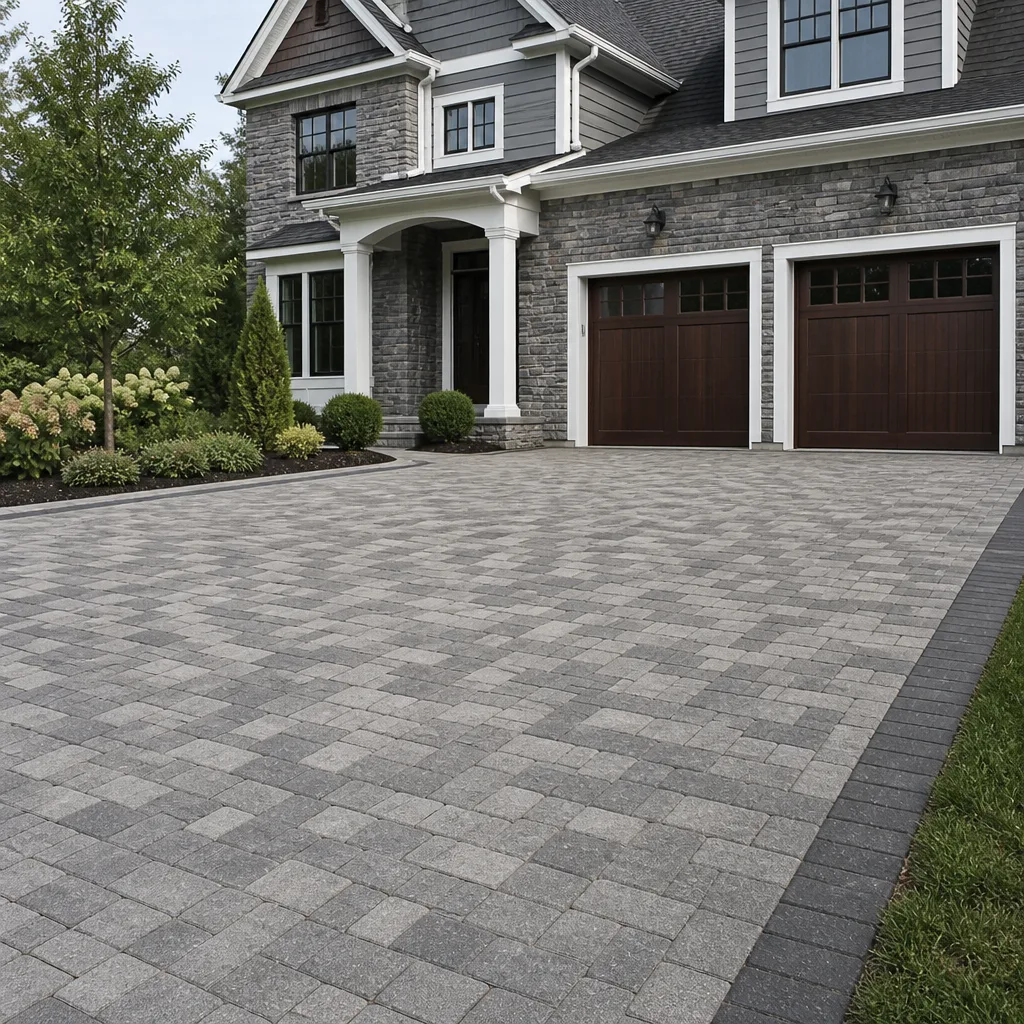
- Interlocking concrete pavers (2 3/8″ to 3 1/8″). The standard for a reason. They flex, handle expansion well, and are available in colors rated for sun exposure. This is what we recommend for most Antioch driveways.
- Permeable concrete pavers. Worth the splurge on lots with drainage problems or where city stormwater rules require infiltration. Given Antioch’s winter rains and clay subsoil, a permeable surface over a deeper graded base handles standing water better than non-permeable alternatives.
- Clay brick pavers (set thick, not thin). Beautiful and tough under heat. The catch: they cost more and need a deeper sand setting bed. Thin brick veneers are the wrong choice for a driveway – they’re for driveways in the design sense of the word only.
- Belgard pavers are among the brands we work with regularly for local jobs because their color tolerances hold up through hot summers without excessive fade, and their product line covers both standard and permeable options.
What to avoid in Antioch: stamped concrete imitations that look like pavers, thin brick, and any paver with an unsealed soft surface. All three fade worse under the Delta sun than they would in a cooler climate. Thin pavers also crack under heat cycling when their base isn’t perfectly uniform.
Sealer matters here too. A quality penetrating sealer, reapplied every 2-3 years, keeps the surface color even and reduces dirt retention in the joints. It also helps joint sand stabilize. Not every paver brand needs the same sealer, so match the product to the manufacturer’s recommendation.
Permits and City Approval: When You Need Them
Antioch driveway permits trip up a lot of homeowners because the answer depends on what’s changing. Cosmetic replacement of the same footprint on the same material is usually not the same as widening or altering the driveway apron where it meets the street.
- Replacing an existing driveway, same size, same footprint, same materials. Usually doesn’t trigger a full permit, but check with the city before starting. Some HOAs and older deed restrictions impose their own rules even when the city doesn’t.
- Widening a driveway, cutting a new curb cut, or changing the approach apron. This needs city approval for the right-of-way and typically a public works or encroachment permit, because the apron is on city property, not yours.
- Regrading or changing surface drainage. If your new driveway changes where stormwater flows, and it flows toward a neighbor or the street, expect a plan review. Antioch stormwater rules apply here, and permeable paver installations may need a drainage or infiltration detail submitted with the application.
- Driveway on a lot with a slope or in a designated flood zone. Parts of Antioch are low-lying near the river and Delta sloughs, and driveway work there can trigger extra review. A contractor with local permit experience will know how to read that.
Permit fees vary by scope and property, and no honest contractor quotes a number over the phone without seeing the property. What we can tell you is to insist the permit question gets answered on paper. If a contractor tells you “no permit needed, don’t worry about it,” press on why. Sometimes they’re right. Sometimes they’re avoiding the paperwork and leaving you with the violation.
Groundwork Construction Co. of Antioch handles the permit side of the job as part of the scope. Pulling the permit and passing the inspection is part of what you’re paying for when you hire a professional.
Drainage and Slope: The Grade That Actually Works
Drainage is where a lot of Bay Area driveway work goes wrong, and it’s more urgent in Antioch than in drier inland cities. Two reasons: winter rain that arrives fast, and clay soil that percolates slowly. Water that lands on a flat or back-sloped driveway here sits, pools, and eventually finds its way into the subgrade.
The minimum grade to spec for a driveway in Antioch is around 2% slope away from structures, and toward a curb, channel drain, or swale where the water can leave the property. That’s roughly a quarter-inch drop per foot. Less than that and the surface may not drain in a heavy winter storm. Much more than that and you get water sheeting too fast and eroding soil on the low side. Some local soil conditions may warrant a steeper cross-slope with a drainage channel.
Two more things specific to Antioch:
- Crown or cross-slope for lot driveways. A slight center crown helps shed water to the sides. Driveways next to a neighbor’s yard need the cross-slope planned so water doesn’t drain onto their property. Good contractors plan this before excavation, not after.
- Channel drains and French drains. Where the driveway meets a garage apron or a retaining wall, a channel drain can move water safely instead of letting it pool against the structure. On low lots near the river, French drain installation may be part of the right long-term answer. Those are design decisions made on site, not from a checklist.
Ask every contractor you interview what slope they’ll build and how they’ll check it. A laser level or string line should come out of the truck on day one. If the answer is “we know what we’re doing,” the answer is no.
How to Evaluate a Contractor Bid
Any two bids for the same driveway will differ. That’s why the number at the bottom of the quote means so little on its own. What matters is what’s actually itemized and what assumptions the contractor is making. Here’s what a proper Antioch driveway quote should show as separate line items:
- Excavation depth and base depth, in inches, stated separately. Loose and compacted depth should both appear.
- Base material type and source. Class II AB or equivalent, not “base.”
- Compaction schedule. How many lifts and what equipment, or the bid is a mystery.
- Geotextile fabric, in or out. If it’s not listed, it isn’t in the price.
- Paver manufacturer and product line. Not “paver of choice.” Brand and line.
- Setting bed material type and depth. Bedding sand or manufactured bedding, and typically 1 inch for concrete pavers.
- Joint sand type. Polymeric or standard, and whether it’s included in the price or billed separately.
- Drainage spec. Slope percentage, channel drains, and whether any stormwater detail is included.
- Permit responsibility. Who pulls it, who pays the fee, who meets the inspector.
- Site restoration. Grading, topsoil, re-seeding or re-sodding disturbed areas, haul-off of demolition debris.
- Warranty terms in writing, with start date and coverage length. Not a verbal promise.
Two more cues worth watching. First, an itemized bid that includes allowances for surprises (like the over-excavation allowance above) is more trustworthy than a low bid that pretends nothing will surprise them. Second, ask what happens if the base excavation hits something unexpected. A contractor with a real process has an answer.
Every project we take on at Groundwork is covered by our 730-Day Done Right Promise – if it’s not done right, we make it right. That guarantee is the standard we hold the numbers to, and it’s part of why we put itemized bids in front of homeowners instead of a single bottom-line figure.
What Driveway Pavers Cost in Antioch
We don’t quote over the phone because the variables are too wide: square footage, base depth, demolition, drainage, and material choice can swing a job substantially. But homeowners deserve realistic ranges before they call, so here’s a ballpark to orient yourself. Local market costs, not national averages.
- Demo and haul-off of the existing driveway: typically per square foot, and higher with a concrete slab that needs breaking.
- Excavation and deeper base for clay soil: usually priced as more per square foot than standard, and the option to over-excavate for soft spots is a per-cubic-yard adder.
- Base material and compaction: a separate line, priced per square foot of base.
- Paver material: priced per square foot, and the range is wide – standard concrete pavers cost less than clay brick and far less than high-end permeable systems.
- Setting bed and joint sand: material plus labor, usually included in paver installation pricing.
- Drainage features: channel drains, French drains, and stormwater detail are priced separately.
- Permit fee: a pass-through cost based on your property and scope.
- Sealer: sometimes included, sometimes an add-on, and reapplication is a homeowner cost in future years.
For a typical Antioch driveway, expect a properly built paver installation to land at a meaningful premium over a basic concrete replacement. That’s the trade: concrete is cheaper up front, pavers last longer, flex with the clay, and can be repaired in sections instead of replaced whole. If a bid for a full driveway comes in dramatically under every other number on the list, that’s usually a base-depth problem hiding in the paperwork.
Every estimate we give is a written line-item quote with upfront pricing – the number you see is the number you pay, absent an approved change order. We also offer a free project estimate and design consult to start the conversation, plus 0% financing for 18 months on approved credit and $1,000 off projects over $10,000. Large hardscape jobs don’t have to wait for next year’s budget.
Common Mistakes to Avoid
- Building over the existing surface without removing it. Overlays feel cheaper, but with clay beneath them, the pavers ride on whatever is moving. In Antioch that number is closer to 18 months of heave before the joints open up.
- Accepting a bid that doesn’t state base depth in inches. A “deep base” or “adequate base” line item isn’t a spec, and it leaves you with no recourse when the surface settles.
- Skipping the geotextile. Clay fines migrate into base aggregate over time when the soil gets wet. Fabric is a small cost that prevents the surface from losing support.
- Flat, back-sloped driveways. Water that pools against the garage or a retaining wall finds its way in. Slope away from the structure toward a drain, and don’t trust a “we know” answer when you ask for a percentage.
- Choosing pavers by color alone. Fade from Delta UV is real. Buy from a manufacturer whose color runs are rated for sun exposure, and consider a sealer even if it’s not offered – it protects the finish and helps joint sand stay put.
- Not asking who pulls the permit. If you didn’t get the answer in writing, the violation is yours, not the contractor’s. And if the driveway widens at all, the answer is almost always yes.
- Comparing a single bottom-line number against an itemized bid. They aren’t the same product. A low number from a contractor without a line-item spec usually means the base is thin, the fabric is missing, and the inspection wasn’t mentioned because there isn’t one.
When to Call a Professional
Some driveway jobs are genuinely DIY territory – touch-up of a paver or two, spot cleaning, running a sealer. Others hit a line where the work stops being cosmetic and starts being structural.
Call a professional when the surface has buckled or heaved, when you can rock pavers by hand, when water pools against the house after rain, when you’re widening or regrading the driveway at all, or when the existing diveway is 15 years old and settling is spreading rather than localizing. Those are all signs the base is the problem, and no amount of surface patching solves that. Clay soil doesn’t forgive shortcuts, and re-laying pavers on a failing base is a repeat cost, not a fix.
Pavers themselves are usually safer to work on than a garage door or an electrical panel, but excavation near buried utility lines, retaining wall work, and drainage that moves water under a foundation are all jobs for a licensed contractor with insurance and a written warranty. If the area you’re digging in has irrigation, gas, or old conduit, call 811 for a utility locate before anyone picks up a shovel. Groundwork Construction Co. of Antioch offers free estimates in Antioch – call (888) 419-3650, and a live person answers, 24/7.
Frequently Asked Questions
Pricing depends on square footage, base depth, demolition, drainage, and paver selection, so there’s no honest single number. A standard concrete paver install on a typical Antioch driveway runs higher than a basic concrete replacement, and the premium buys longer service life, flexibility with the local clay, and section-by-section repair instead of full replacement. Call (888) 419-3650 for an exact quote – estimates are free and itemized.
Replacing your driveway within the same footprint and materials usually doesn’t require a full permit, but widening, changing the curb cut, or altering drainage almost always does. Some properties also have HOA or deed restrictions on top of city rules. Ask before you start, and require the answer in writing on the bid. We handle the permit application and inspection as part of the scope when they’re needed.
Six to eight inches of compacted Class II aggregate base is our standard starting point in Antioch, deeper where excavation exposes fat clay or old fill. That’s above the 4-inch minimum most national guides cite. The reason is simple: expansive clay moves, and the base is the buffer that keeps the pavers from moving with it.
Our quoted price stays the quoted price unless you approve a change order. The one item we quote separately is over-excavation – if the dig hits soft spots that need more removal and base, that’s a per-cubic-yard adder you approve before we proceed. Everything else is fixed in the written bid. Upfront pricing, no surprises.
Most residential driveway installations take several working days, not one, because properly built jobs schedule time for excavation, base compaction in lifts, and curing between steps. Rushing the base is the fastest way to a short-lived driveway in this soil. We’ll give you a realistic schedule with the bid so you can plan around it.
Dense concrete pavers from reputable manufacturers hold color well through Delta summers, especially with a penetrating sealer reapplied every 2 to 3 years. Thin brick and stamped concrete imitations fade faster and crack more easily. Select product by rated UV performance, not just by color on a sample board.
The Bottom Line
Driveway pavers are a smart choice for Antioch homes. Clay soil and hot summers make them a better surface than a rigid slab that would crack under the same stress. What makes the difference here isn’t the pavers – it’s the base, the slope, the permit, and the bid. Deeper compacted base than national guides suggest, a true 2%-and-change slope away from structures, the permit question answered in writing, and an itemized quote that shows every line item above. Get those four right and the driveway stays put through Antioch’s biggest winters. Get them wrong and you’re paying twice. From foundation to finish line, our team builds driveways for the long haul, covered by our 730-Day Done Right Promise, and we’d be glad to walk your property and put a written, itemized number in front of you. If the project grows into a broader home improvement plan, we also handle fence installation in Antioch, home additions and ADU work, and the full scope of a Groundwork Construction Co. of Antioch home remodel conversation – one contractor, one accountability line. For a closer look at the driveway and hardscape service specifically, see our Driveway & Pavers in Antioch page.
Call (888) 419-3650 for a free estimate. A live person answers 24/7, and we’ll schedule your design consult at a time that works for you.
Written by the team at Groundwork Construction Co. of Antioch.
See the difference
 Before
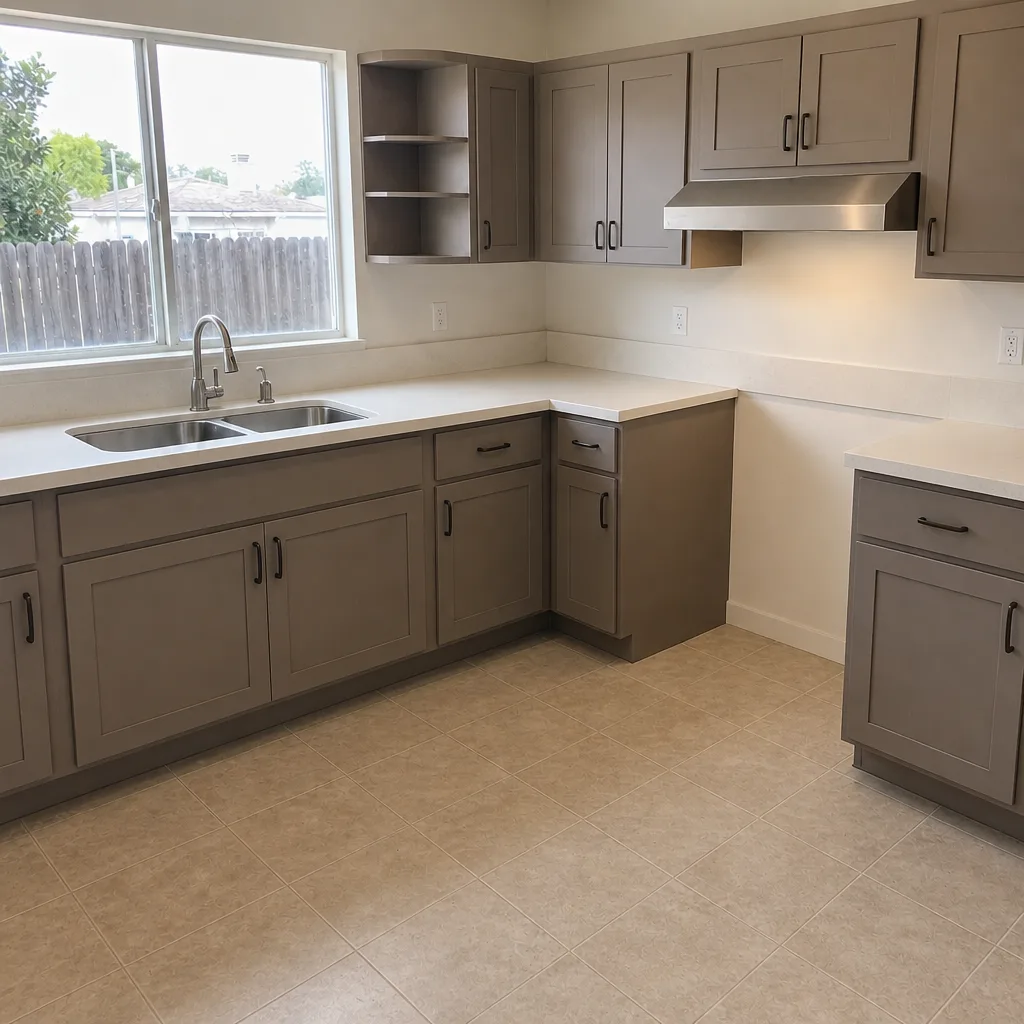 After
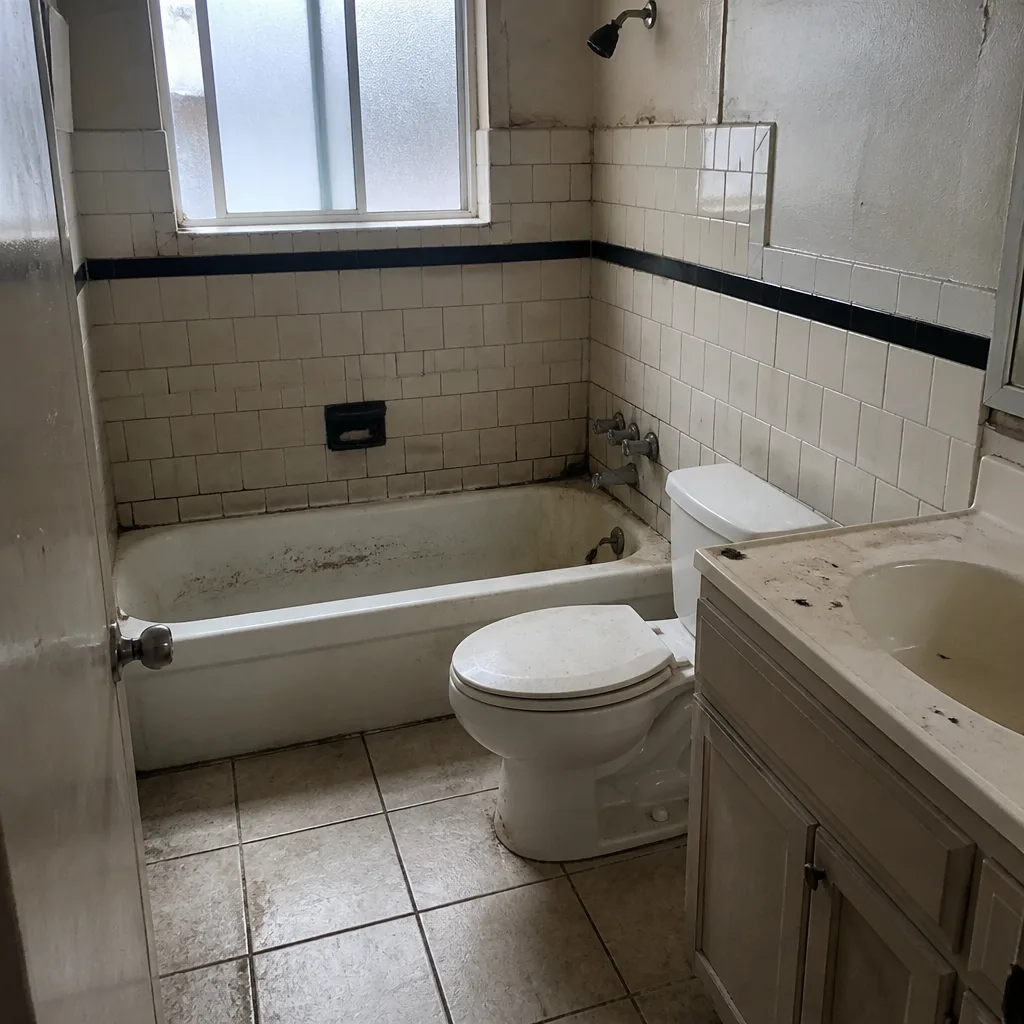 Before
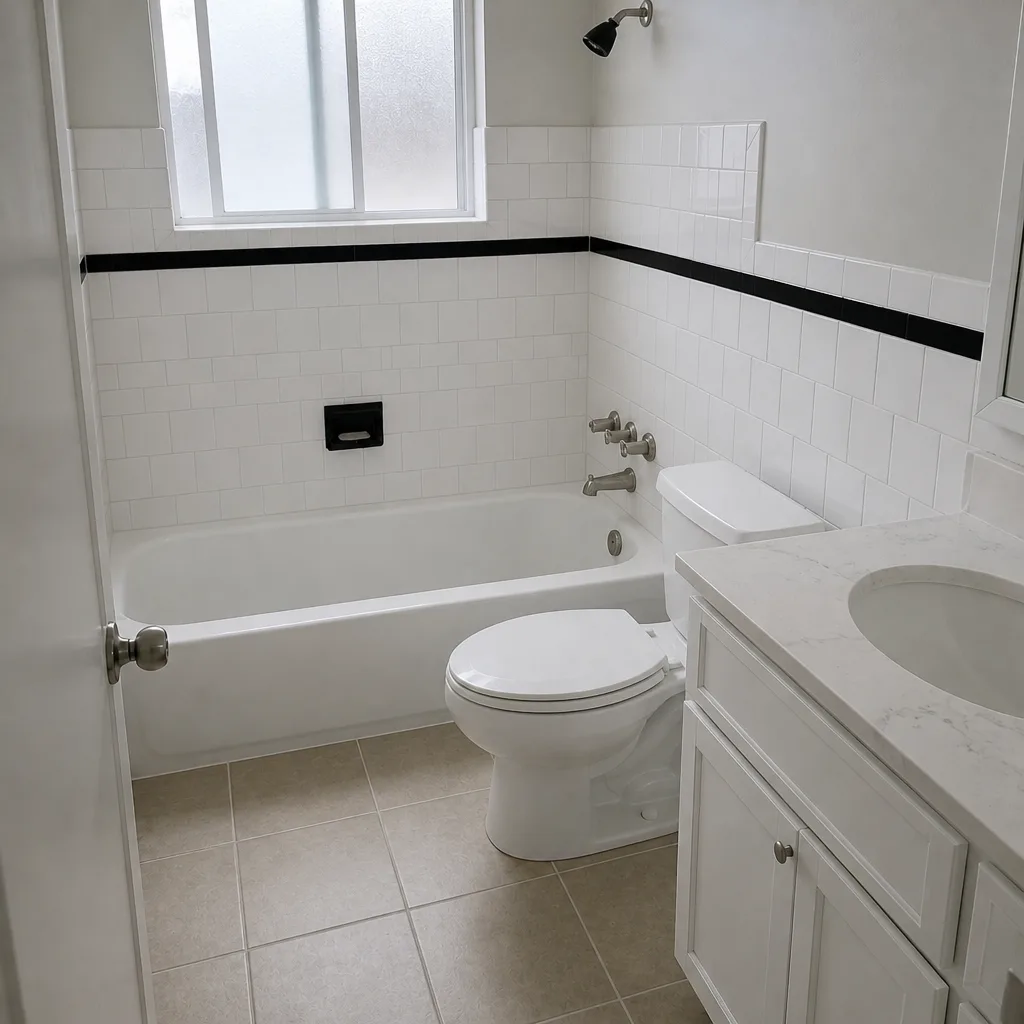 After
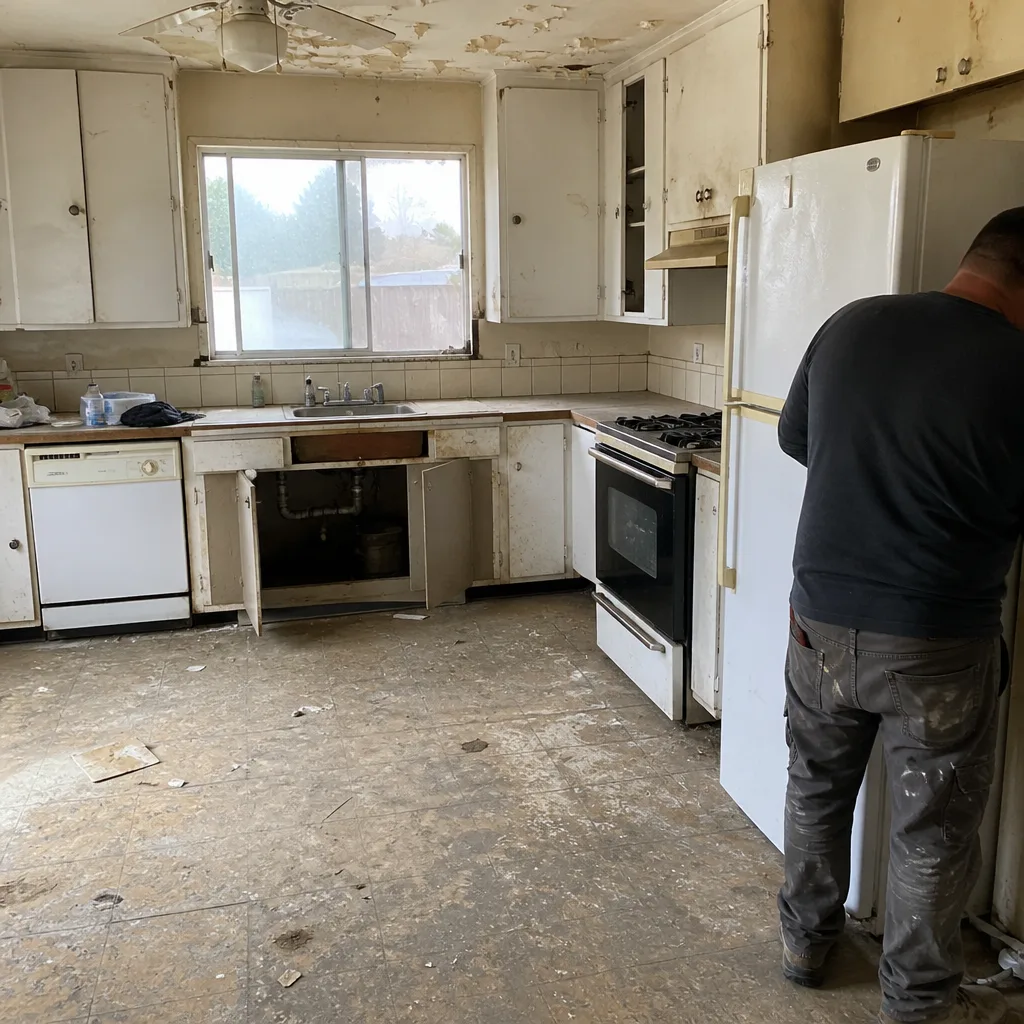 Before
 After