
Last updated November 17, 2026
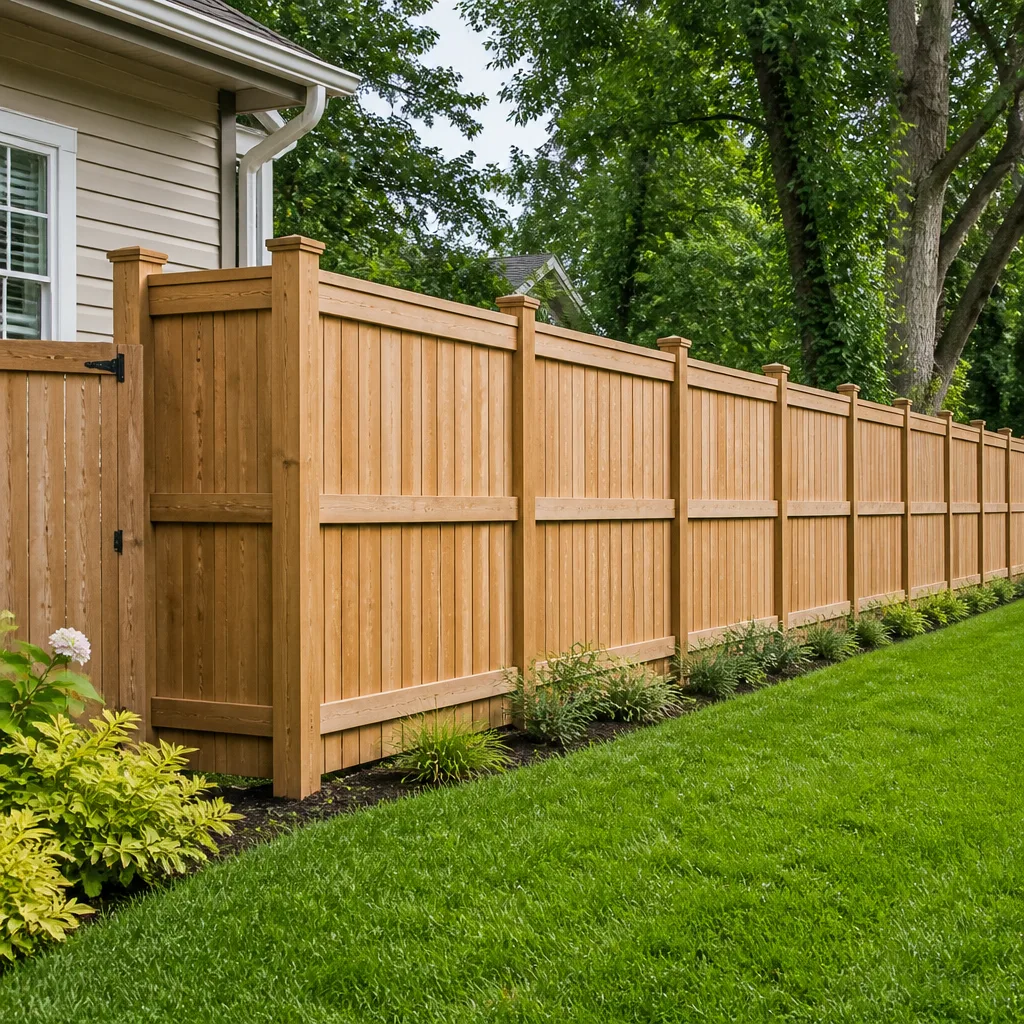 Fence
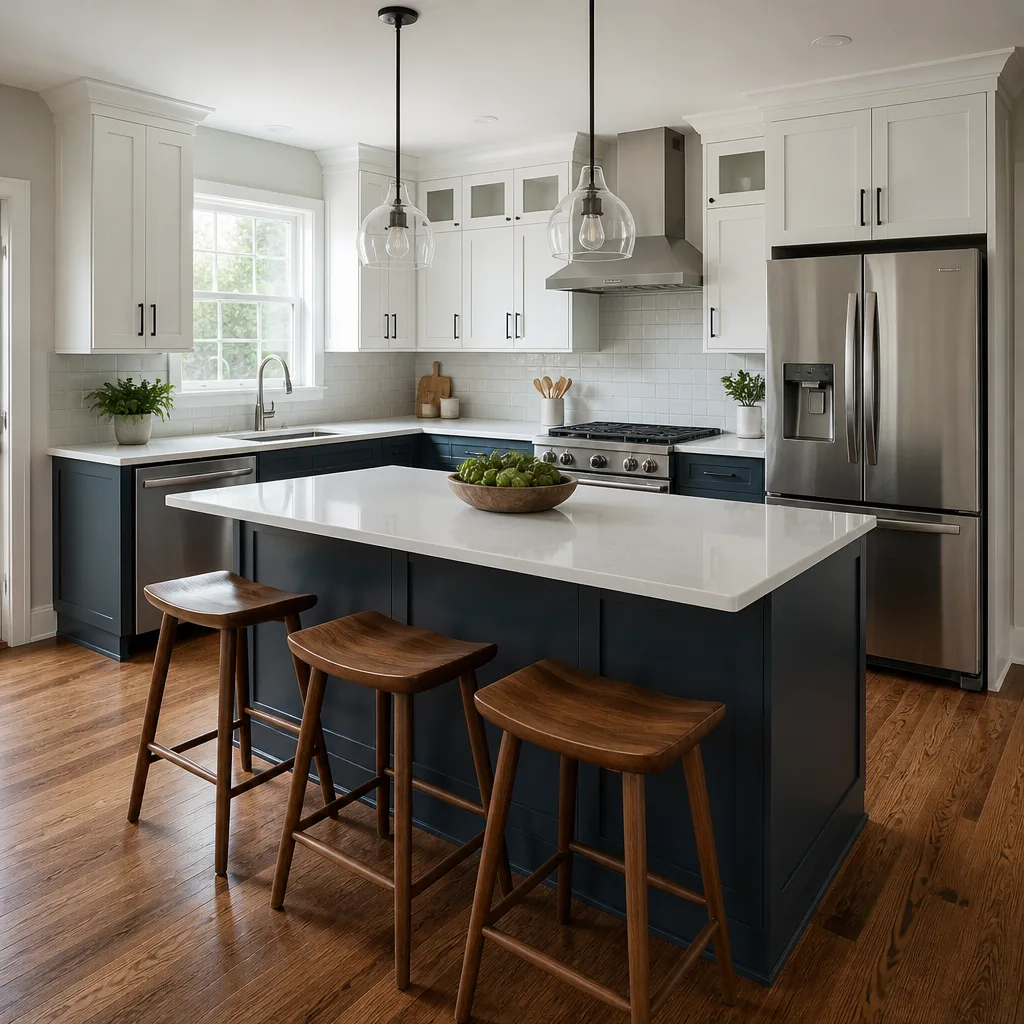 Kitchen remodeling
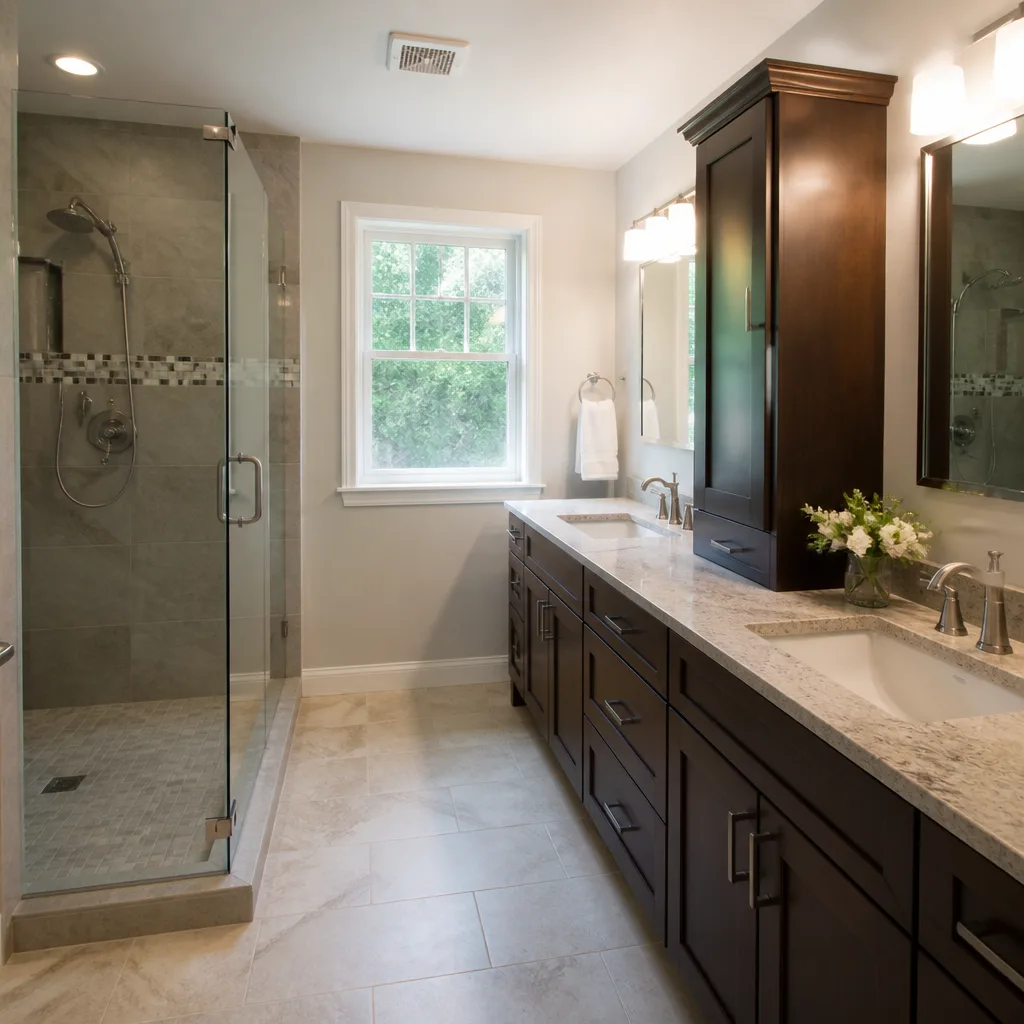 Bathroom remodeling
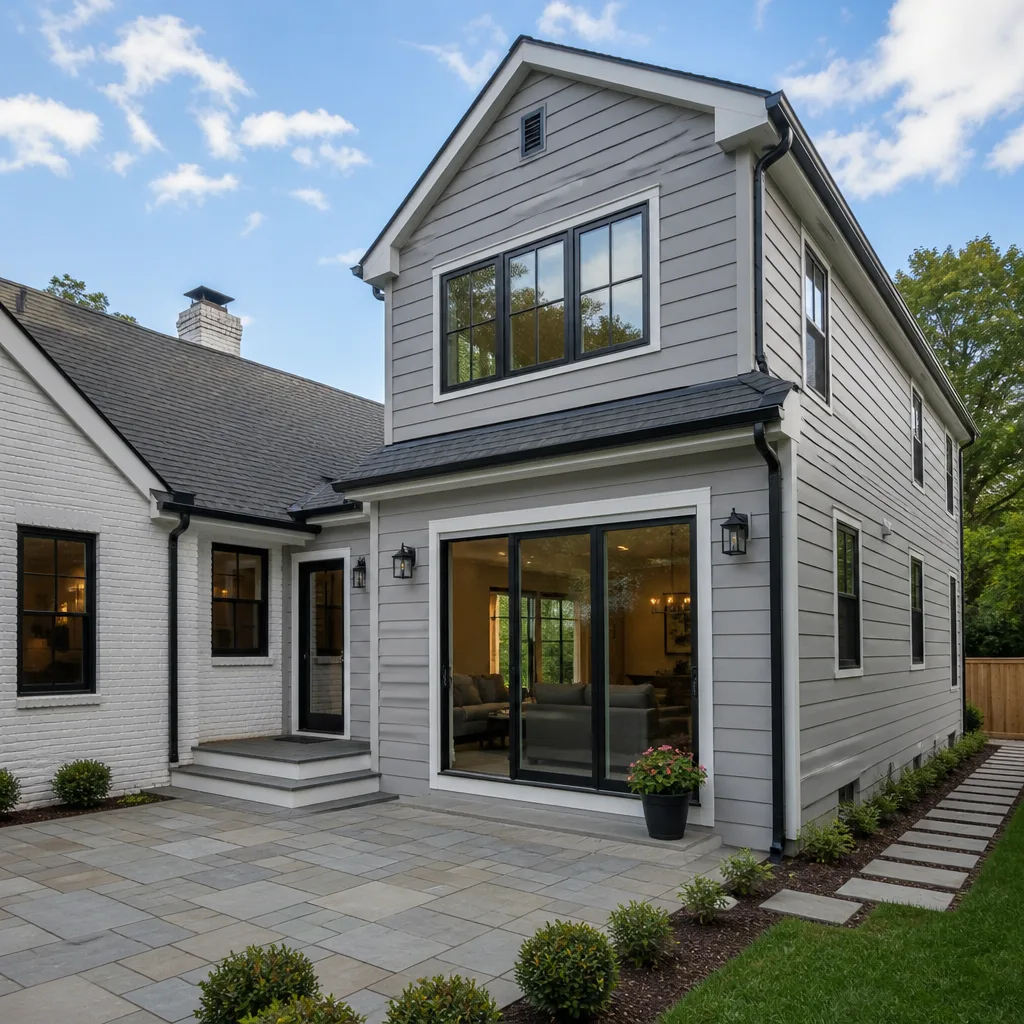 Home additions & ADU
 Roofing
 Windows & doors
 Driveway & pavers
Free written scope consultation - allowances, timeline, and change-order rules on paper before a single trade is scheduled
DIY vs Professional Fence Installation: What’s Safe to Do Yourself
Installing fence panels yourself is genuinely manageable. Setting posts yourself in Antioch’s clay soil without the right equipment and depth spec is where most DIY fences start failing within two to three winters. That’s the contradiction at the heart of this project: the part of fence work that looks hard (hanging panels, lining up rails, mounting hardware) is the easy part, and the part that looks easy (digging a hole and dropping a post) is where the money, the liability, and the failures live. Fence installation has the most misleading DIY reputation in home improvement. This guide maps exactly where DIY confidence is earned and where it isn’t, with Antioch-specific soil, code, and HOA context throughout.
Quick Answer
Panel replacement, rail repair, gate hardware swaps, and staining are genuinely DIY-safe with basic tools. Post setting, property-line layout, and permit or HOA work are not. The dividing line is not skill, it’s what’s underground and what’s on paper: in Antioch’s expansive clay, a post set too shallow will heave, lean, and pull its concrete anchor within two or three wet seasons, and a fence built a few inches over a property line can become a legal dispute.
Styles & brands we work with
- Kitchen remodeling
- Bathroom remodeling
- Home additions & ADU
- Roofing
- Windows & doors
- Driveway & pavers
- Fence
Table of Contents
- Which Fence Tasks Are Actually DIY-Safe?
- Why Post Holes in Antioch Clay Need a Mechanical Auger
- The Depth Spec That Decides Whether Your Fence Survives
- The Legal Exposure: Property Lines, Surveys, and HOA Zones
- The Honest Cost Comparison (Beyond Material Cost)
- The Hybrid Approach: Split the Savings, Not the Risk
- Common Mistakes to Avoid
- When to Call a Professional
Which Fence Tasks Are Actually DIY-Safe?
A real portion of fence work is friendly to a homeowner with a drill, a level, and a free Saturday. We’ve seen plenty of Antioch homeowners handle these tasks well, and we’ve also seen the failures that come after someone stretched their DIY confidence into post work. The line is fairly clean once you name it.
Genuinely DIY-appropriate:
- Panel replacement. If your posts are sound and only a picket section or two is rotted, warped, or storm-damaged, swapping panels is a straightforward job. Barrette and Master Halco both make replacement panels that fit standard residential post spacings, which makes matching easier than most people expect.
- Rail repair. A split top rail or a popped fastener is a repair, not a rebuild. Replacing a rail between two solid posts takes an afternoon and basic carpentry.
- Gate hardware swaps. Hinges, latches, self-closing springs, and drop rods are bolt-on work. A sagging gate is usually a hardware problem, not a structural one.
- Staining and sealing. A wood or composite fence benefits from re-sealing every few years. This is pure labor and prep, and it’s the single most DIY-friendly task on the list.
- Cosmetic repairs. Tightening loose pickets, replacing a knocked-out board, and touching up stain after a winter.
Not DIY-appropriate:
- Setting new posts (especially in clay, which we’ll get to).
- Laying out a fence line on an unverified property boundary.
- Working in an HOA that requires approval before any fence goes up.
- Any fence over a height the local code treats as a structure needing a permit.
If your project falls entirely in the first list, a weekend’s work and a trip to the hardware store is a reasonable plan. If it touches the second list, read on. The “do it once” mindset applies here more than almost anywhere in home improvement, and it’s why our Fence Installation in Antioch team spends so much of a first visit on layout and soil.
Why Post Holes in Antioch Clay Need a Mechanical Auger
Antioch sits on some of the most expansive clay soil in the East Bay. That clay is the reason a manual post-hole digger, the kind you twist and lift, is a poor choice here even though it’s the tool most DIY guides show. Expansive clay swells when it’s wet and shrinks when it dries, and it moves with enough force to crack foundations, heave driveways, and lift a fence post right out of its footing. The reason a mechanical auger matters isn’t speed, it’s depth and consistency: a two-person power auger cuts a clean, straight hole to the full depth the job requires, which a manual digger almost never achieves in this soil before your arms give out.
Here’s what actually happens to a shallow-set post in Antioch’s clay, and it’s a story we see repeat across neighborhoods like Prewett Ranch and Mira Vista:
- Year one looks fine. The post is set, the fence stands straight, and the homeowner is proud of the work.
- The first wet winter. Rain saturates the clay and it swells. A post with a shallow footing has nothing resisting the upward pressure.
- The first dry summer. The clay shrinks and pulls away from the concrete. The footing is now loose in a widening gap.
- Two or three winters in. The post leans, the panel sags, and the gate stops latching. What looked like a solid install is now a repair job.
The fix isn’t more concrete around a shallow hole. Concrete anchors in expansive clay only hold when they’re set below the active soil layer, deep enough that the swelling and shrinking above them can’t move the footing. That depth is the whole ballgame, and it’s the subject of the next section. It’s also why our crew brings a truck-mounted auger to every fence install rather than hand-digging.
The Depth Spec That Decides Whether Your Fence Survives
Post-hole depth is where a fence is either built or doomed, and it’s the number most DIY guides understate. The old rule of thumb, a third of the post’s above-ground height in the ground, is a starting minimum for stable soils. In Antioch’s clay, that rule is not enough, and anyone setting a 6-foot wood fence should plan on a deeper footing than a generic calculator tells them.
What we check before a single post goes in:
- Frost line plus clay movement. The hole must go below the zone where the clay actively swells and shrinks. That usually means deeper than the frost-line minimum alone.
- Post type. Wood, vinyl, and composite posts all behave differently and have different footing demands. A vinyl privacy fence is lighter but less forgiving of a footing that shifts.
- Gravel and drainage. A footing that holds water is a footing that fails faster in clay, so drainage at the bottom of the hole matters as much as the concrete.
- Crown and runoff. Fence lines near a slope or a downspout get a different treatment, because the soil there stays wet longer.
We can’t give you a single universal depth number here, because it depends on the post height, the post material, and the specific lot. But the principle is firm: in Antioch, a fence post that’s set to a generic blog’s minimum depth in clay is a two-to-three-winter post. This is also the reason a wood fence built from Barrette or Master Halco components still needs the footer spec done right; the brand of the panel doesn’t save a footing that wasn’t set to depth.
The Legal Exposure: Property Lines, Surveys, and HOA Zones
This is the section that surprises people. Most DIY fence failures aren’t structural, they’re legal, and they can cost far more than a fence to unwind. The exact scenario where DIY creates real exposure is a stranger’s property line combined with unpermitted work in an HOA or code-restricted zone.
Two distinct traps:
- The property line trap. A homeowner measures from a rough guess, builds the fence, and later discovers it encroaches on a neighbor’s lot. That’s not a fix-it, it’s a survey-and-negotiate-and-possibly-remove-it problem. If a surveyor’s map shows the fence crosses the line, the neighbor can require removal. A few inches of overrun on a deeded boundary can turn a $4,000 fence into a legal bill.
- The permit and HOA trap. Many Antioch HOAs and code zones require approval before a fence goes up, and a fence built without it can be flagged and ordered down after the fact. Height limits, setback rules, and material restrictions all vary by association and by city zone. A do-it-yourselfer who skipped the approval step can end up removing a brand-new fence.
The safe way through both traps is boring and effective: verify the boundary before you build, and confirm HOA or city approval before you cut a single post. If you’re unsure where your line runs, a recorded plat or a licensed survey is the only thing that settles it. It’s the same discipline our team applies every time we quote a job, and it’s why our Groundwork Construction Co. of Antioch home page leads with written quotes and pulled permits.
The Honest Cost Comparison (Beyond Material Cost)
The DIY-vs-pro conversation almost always compares the wrong two numbers. People compare material cost to a contractor’s bid and conclude DIY saves thousands. That math ignores tool rental, concrete, the learning curve, and the cost of redoing work. Here’s the honest framing we use with homeowners: compare the true cost of a DIY install that finishes and survives against a professional build, not the material receipts against the bid.
What actually lands in a DIY budget that people forget:
- Tool rental for the post-hole auger. A power auger is a necessary rental for clay, and it’s not free.
- Concrete and gravel. Footings use bags of concrete and drainage gravel per post; a 100-foot fence adds up fast.
- Wasted materials from the learning curve. The first few panels rarely fit the way you planned, and cut posts don’t go back in the box.
- Time, valued honestly. A multi-weekend project has a real opportunity cost, especially if it stalls mid-build and the yard is fenced on three sides for a month.
- Permits and inspections, if required. Those costs exist whether you build it or a pro does.
For a comparable vinyl or wood privacy fence, the professionally installed price commonly runs in the mid-thousands on a standard lot in this market, and the DIY “savings” after rented tools, concrete, and a couple of redo trips is often far smaller than the headline number. Our full line-item quote for Fence Installation in Antioch shows every material and labor line so you can compare apples to apples, and it’s covered by our 730-Day Done Right Promise. Upfront pricing, no surprises, is the whole point of that quote.
The Hybrid Approach: Split the Savings, Not the Risk
There’s a middle path that makes a lot of sense for a capable homeowner who wants to save money and isn’t willing to risk a failed footing or a property-line problem. You hire out the part that’s risky and regulated, and you take on the part that’s safe and cosmetic. That’s the hybrid approach, and it splits the savings without splitting the risk.
How we’ve seen homeowners structure it successfully:
- Hire the post-setting, layout, and permits. A pro handles the survey-verified layout, the augered holes to proper clay depth, the concrete footings, and any permit or inspection. This is the work that decides whether the fence survives and stays legal.
- Take over the panel and finishing work. Once the posts are set and true, hanging rails and panels, mounting gate hardware, and staining are the tasks a homeowner can do safely. The core structure is already built right.
- Book a final walkthrough. We inspect the powered side and confirm the gate swings and latches cleanly. That way the parts that matter hold, and you didn’t pay for labor you could do yourself.
This is a real, common arrangement, and it’s a smart one for the right homeowner. It’s also the approach we recommend most often on an Antioch lot with a genuine boundary question, because the hybrid model removes the legal exposure and keeps the DIY payoff. If your project also involves the drive approach, our Driveway & Pavers in Antioch team can coordinate the fence line with paving so your layout doesn’t collide. A new outdoor build might also pair with an addition or ADU, in which case our Home Additions & ADU in Antioch page is the place to start planning.
Common Mistakes to Avoid
- Setting posts with a manual digger in Antioch clay. The hole comes out ragged, shallow, and inconsistent, and the footing heaves within a couple of wet seasons. Rent the power auger or hire the post work.
- Building on a guessed property line. A neighbor’s fence is not a property line, and a survey is the only thing that settles it. Verify before you dig.
- Skipping HOA and permit approval. Height and material rules vary by association and city zone, and an unapproved fence can be ordered removed.
- Under-buying the concrete and gravel. Footings need drainage, and a dry-packed shallow hole is a leaning post waiting to happen.
- Working in the wet season. Building in soaked clay moves the footing before it cures, and a post set in muck never firms up right. Dry weather is the build window here.
- Mismatching panel brands to existing posts. Replacement panels need to fit your post spacing; check Barrette and Master Halco specs against what’s already standing before ordering.
- Forgetting the gate. The gate is the heaviest load on the whole fence and the first thing to sag. Reinforce it with a proper footer and diagonal brace or it’ll be your first repair.
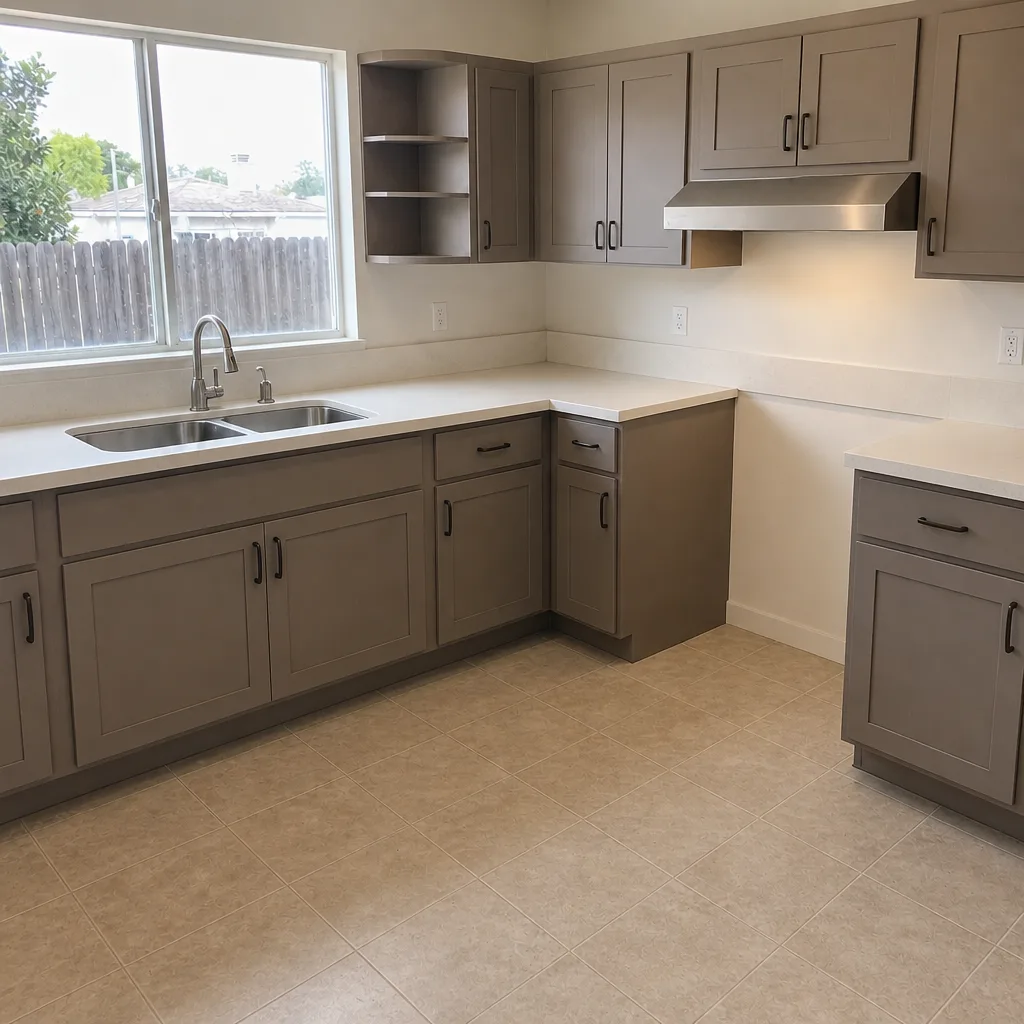
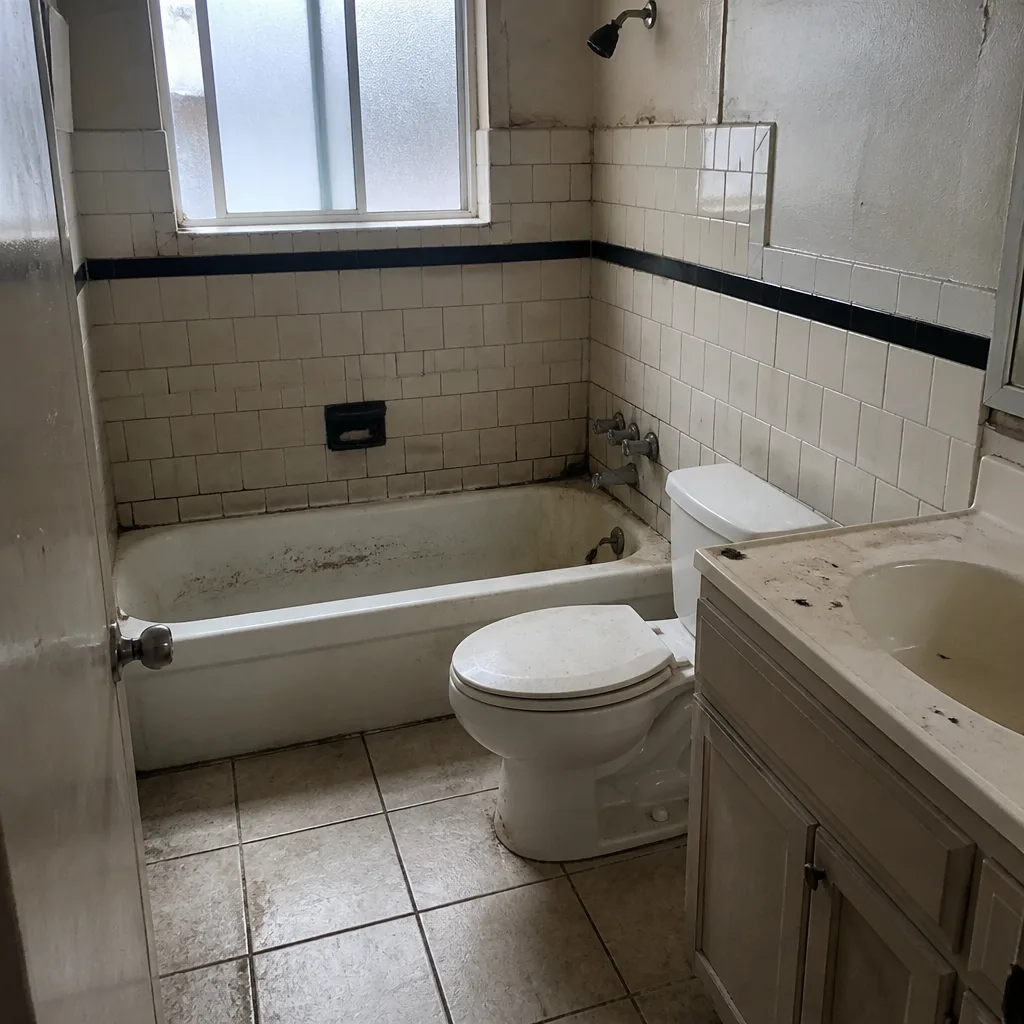
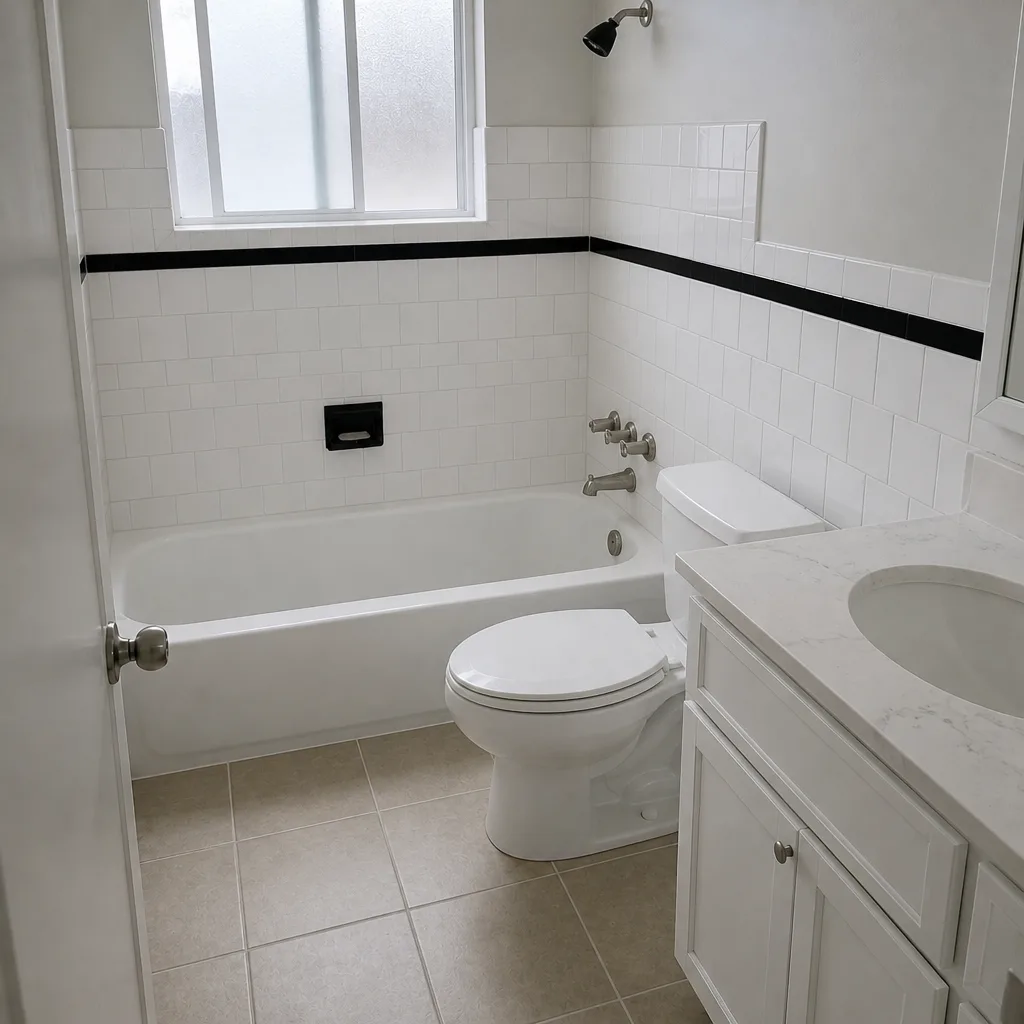
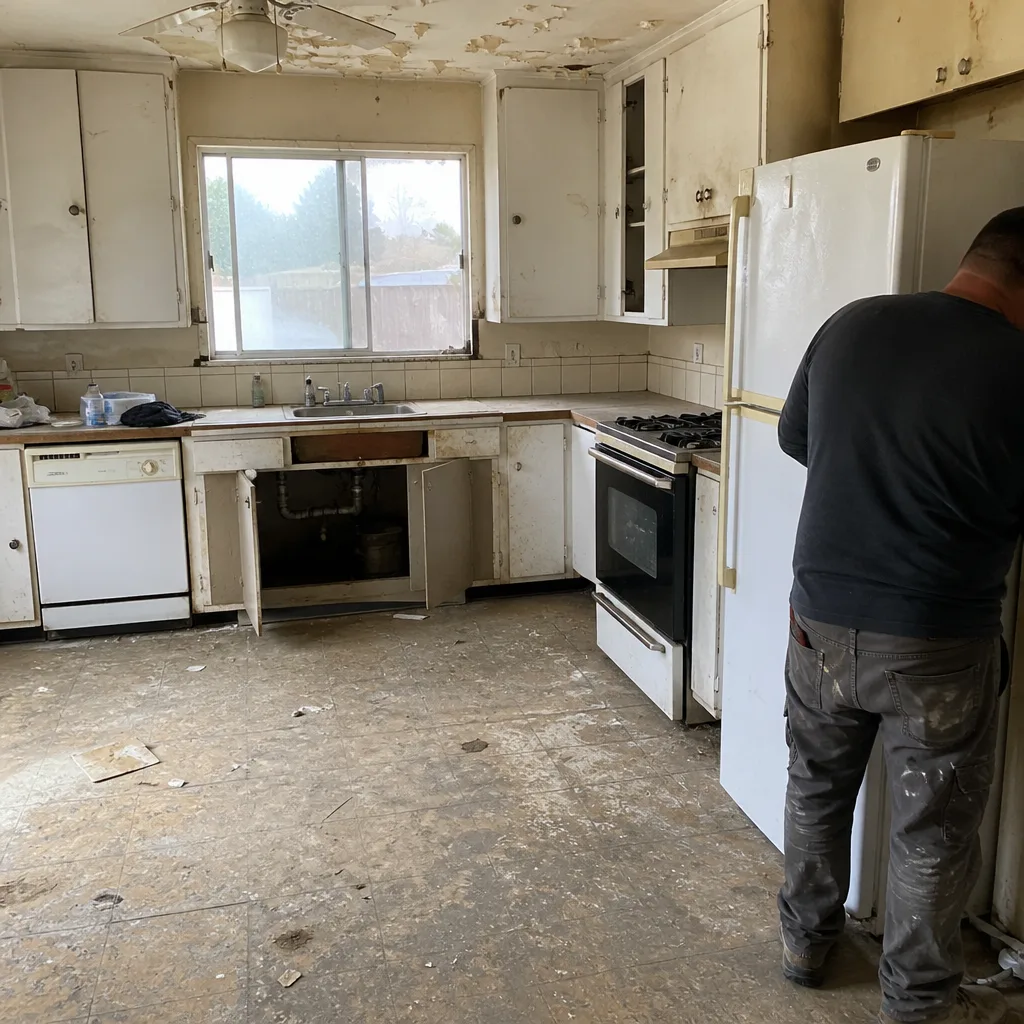
See the difference
 Before
 After
 Before
 After
 Before
 After
When to Call a Professional
Call a professional when the project includes post setting in clay, an unresolved property line, HOA or permit approval, or a fence that has to carry a gate on a slope. Those are the four triggers where DIY stops being a smart money-saver and starts being a liability. A failing footing, a legal boundary question, or a code violation all cost vastly more to fix than to avoid, and none of them are fixable with a trip to the hardware store. The rest of the job, panels and finishing, stays open to a capable homeowner either way. Groundwork Construction Co. of Antioch offers free estimates in Antioch, and we’re happy to quote just the post-setting and permit portion so you can handle the rest. Call (888) 419-3650 to get a written line-item quote; our pricing is upfront with no surprises, and our technicians are background-checked and uniformed on every job.
Frequently Asked Questions
You can install panels, repair rails, swap gate hardware, and stain yourself in Antioch. You should not set posts or lay out a property line yourself unless you have verified the boundary and the soil depth. The safe split is DIY on panels and finishing, professional on posts and permits.
Deeper than the generic one-third rule because Antioch’s expansive clay moves with the seasons and a shallow footing will heave. The exact depth depends on post height, post material, and the lot, so we set each footing to spec below the active clay layer with proper drainage. A contractor should specify the depth, not a blog calculator.
Often yes, depending on the height, material, and your HOA’s rules. Many Antioch associations require written approval before a fence goes up, and some city zones have height and setback limits. Confirm both before you dig, because an unapproved fence can be ordered removed.
Only when you count the full true cost, not just material receipts. Post-hole auger rental, concrete, gravel, wasted panels from the learning curve, and your time all add up, and the savings are usually smaller than the headline. Get a written line-item quote so you can compare the real numbers.
It swells out of the ground in the wet season and pulls away in the dry, so within two or three winters the post leans and the gate stops latching. Expansive clay is the reason depth matters more here than in a stable soil. The fix is setting the footing below the zone that moves.
Yes, and it’s a smart way to split the savings without the risk. Hire the layout, augered post holes, and permits, then hang the panels and hardware yourself. We’re happy to quote just the post-setting portion so you handle the rest. Call (888) 419-3650 for a free estimate.
The Bottom Line
Fence installation earns its DIY reputation on the surface and loses it in the ground. Panels, rails, hardware, and staining are genuinely safe to do yourself with basic tools. Post setting in Antioch’s expansive clay, property-line layout, and HOA or permit work are where the money and the liability hide, and they’re the parts that decide whether your fence survives two or three winters. The smartest path for most homeowners is the hybrid: professional posts, layout, and permits, DIY panels and finishing. That splits the savings without splitting the risk. Groundwork Construction Co. of Antioch backs every build with our 730-Day Done Right Promise and a written line-item quote. Call (888) 419-3650 for a free estimate, and we’ll quote the part you want done professionally. Calls are answered by a live person, 24/7.
Written by the team at Groundwork Construction Co. of Antioch.