
Last updated November 17, 2026
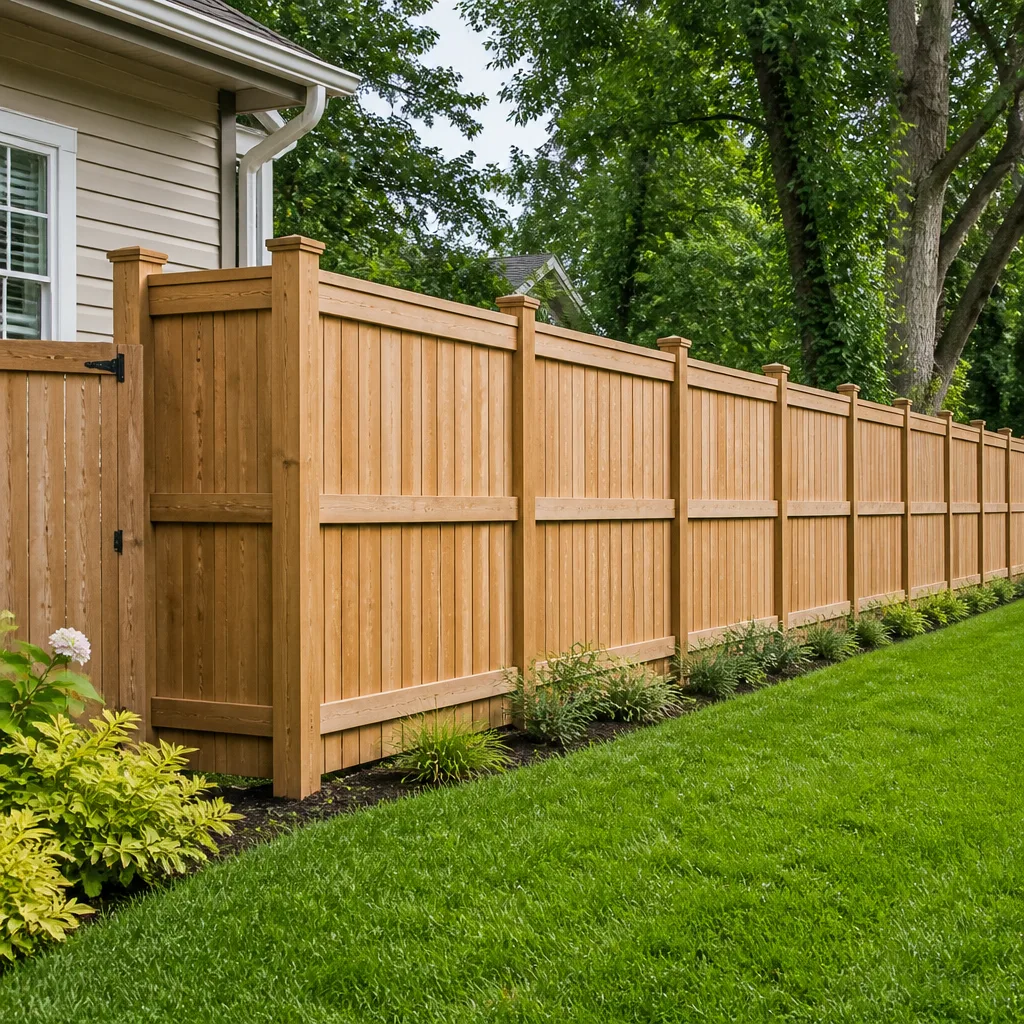 Fence
 Kitchen remodeling
 Bathroom remodeling
 Home additions & ADU
 Roofing
 Windows & doors
 Driveway & pavers
Free written scope consultation - allowances, timeline, and change-order rules on paper before a single trade is scheduled
How Long Does Fence Installation Take? Timelines and What to Expect
Here’s the number nobody puts in the brochure: the average fence goes up in one to three days of actual hammering, digging, and setting. The full journey from signed contract to the last gate swinging shut? Two to six weeks. The gap between those two numbers is where most homeowners get blindsided, because it’s filled with permits, utility locates, HOA paperwork, and material lead times that a contractor should have flagged on day one and usually doesn’t. This guide breaks the Antioch fence timeline into its real phases, explains why clay-heavy East Bay soil changes your curing schedule, and shows you how to tell a legitimate delay from a contractor who quietly pushed your job to the back of the line.
Quick Answer
Physical fence installation takes 1 to 3 days for most residential lots. The full timeline from contract to finished fence runs 2 to 6 weeks in Antioch, driven mostly by pre-work: permits, 811 utility marking, and HOA approval, plus material lead times that range from a few days for chain link to several weeks for custom ornamental iron. Weather and soil conditions can stretch the installation days themselves, but the biggest variable is almost always the paperwork and scheduling that happens before any post goes in the ground.
Styles & brands we work with
- Kitchen remodeling
- Bathroom remodeling
- Home additions & ADU
- Roofing
- Windows & doors
- Driveway & pavers
- Fence
Table of Contents
- The Two Timelines Homeowners Confuse
- Phase 1: Permits, Utility Locates, and HOA Approvals
- Phase 2: The Actual Installation Days
- How Antioch Soil and Terrain Affect Your Timeline
- Material Lead Times by Fence Type
- Legitimate Delays vs. Being Deprioritized
- Red Flags in a Contractor’s Timeline Estimate
- Common Mistakes to Avoid
If you’re still deciding whether to build at all, our overview of Fence Installation in Antioch covers materials, styles, and what a finished project looks like on a typical East Bay lot. And if the fence is one piece of a larger property plan, it’s worth understanding how hardscape and fencing schedules overlap with Driveway & Pavers in Antioch, since grading the same ground twice costs more than doing it once.
The Two Timelines Homeowners Confuse
Ask a contractor “how long does fence installation take” and you’ll usually get the labor answer: two days, maybe three. That answer isn’t dishonest. It’s just answering a different question than the one you’re actually asking, which is “when will I be able to let the dog out without a leash.”
There are really two clocks running here. The first is the construction clock, which tracks the crew on site. The second is the project clock, which starts the day you sign and ends the day the gate latches. Most of the confusion, and most of the frustration, comes from contractors quoting the construction clock while you’re budgeting for the project clock.
Here’s the split for a typical Antioch residential fence:
- Pre-work (1 to 4 weeks): permits, 811 utility marking, HOA architectural review, material order and delivery.
- Installation (1 to 3 days): layout, post holes, setting posts, hanging panels, gate hardware.
- Cure and finish (1 to 4 days): concrete cure before heavy load, staining or sealing if specified.
The pre-work phase is where timelines live or die. A contractor who tells you “we’ll be out Tuesday” before the utility locate is even scheduled hasn’t done the homework, and you’ll pay for that gap in weeks, not hours.
Phase 1: Permits, Utility Locates, and HOA Approvals
This phase is invisible to most homeowners and it’s the single biggest reason fence projects run long. Here’s the sequence a competent Antioch contractor runs before the crew shows up.
- HOA architectural approval (if applicable). Many Antioch subdivisions require a submitted drawing, material spec, and color sample before work begins. Turnaround runs 2 to 4 weeks depending on how often the board meets. Start here, because everything else can often run in parallel.
- Permit review. Fences over a certain height, or corner-lot fences affecting sight lines, require a permit through the City of Antioch. Height limits and setback rules vary by zone, so it’s worth confirming your specific lot before you buy materials.
- 811 utility marking. Underground Service Alert requests need at least 2 business days, and the mark-out has to be valid when digging starts. Marking expires, and a contractor who doesn’t re-request when it lapses is risking a gas or water line strike on your property.
- Property line confirmation. If there’s any ambiguity about where the line sits, a survey adds days but saves court dates. This is especially common on older lots near the river corridor.
Run these in parallel and you compress pre-work to a couple of weeks. Run them in sequence because nobody planned ahead, and you’re looking at a month before a shovel turns. That difference is entirely on the contractor’s scheduling discipline, not on the city.
Phase 2: The Actual Installation Days
Once pre-work clears, a standard 150-foot residential fence is usually a 1 to 2 day job. Larger lots, complex terrain, or ornamental iron with welded panels push toward 3 days. Here’s what each day looks like so you know what to expect.
Day one is layout and post setting. The crew strings the line, marks hole locations, and digs. On clay-heavy soil, holes are slower and often wider because the auger fights the ground. Posts get set in concrete and start curing. That concrete needs 24 to 48 hours before it takes heavy lateral load, which is why most crews don’t hang panels the same day.
Day two is panel and gate installation. Panels go up, rails get fastened, and gate hardware is installed and adjusted. This is where a quality contractor spends extra time, because a gate that swings true on install day and sags by week six is a workmanship problem, not a wear problem.
Day three (if needed) covers staining, sealing, trim, and cleanup. Wood fences typically want a few weeks of drying before stain, so this often gets scheduled as a return visit.
Most jobs are completed in a single visit for a simple chain link or standard wood run. Larger custom installs split into two. The key thing to know: the installation days are the predictable part. Everything before them is where schedules slip.
How Antioch Soil and Terrain Affect Your Timeline
Antioch sits on some genuinely difficult ground for fence posts. The East Bay’s clay-heavy soil expands when wet and shrinks when dry, which means a post hole that’s easy to dig in September can be a fight in February. This matters for your timeline in two ways.
First, digging takes longer. A crew that plans two hours for post holes on sandy soil may need most of a day on Antioch clay, particularly in neighborhoods with compacted fill from older construction. Second, cure time matters more. Concrete set in heavy clay holds moisture longer, and posts set in wet winter clay need extra time before you load them with a gate or a dog pushing against the fence line.
Slope adds days too. Lots on the hillsides above the river, and terraced backyards throughout the older parts of Antioch, require stepped panels and taller posts. Every step in a fence line is another set of cuts and another set of footings, and the labor adds up faster than most quotes account for.
Local climate plays in as well. The dry summers actually help: posts cure fast and stain adheres well. Winter rain is the bigger variable, because a soaked clay yard can push a scheduled install by several days while the ground drains. Any contractor giving you a firm date in January without mentioning weather contingency hasn’t set foot on an Antioch clay lot in winter.
Material Lead Times by Fence Type
Material availability is the second half of the pre-work clock, and it varies wildly by fence type. Here’s the realistic range:
- Chain link: often stocked locally, 2 to 5 days. The fastest path to a finished fence.
- Standard wood (dog-ear, flat-top): 1 to 2 weeks depending on grade and treatment availability. Cedar and specialty species can run longer.
- Vinyl: 1 to 3 weeks. Custom colors and heights push toward the long end.
- Ornamental iron and aluminum: 2 to 6 weeks. Custom fabrication and powder-coating are the bottleneck, and this is where supply chain issues hit hardest.
- Composite and high-end wood: 3 to 5 weeks. Premium brands schedule production, not inventory.
If a contractor quotes you a three-day ornamental iron install with no lead time mentioned, either they’re using a stock panel that doesn’t match what you discussed, or they haven’t actually called their supplier. Either way, ask the question directly: “What’s the current lead time on this exact material?” A real answer sounds like a number, not a shrug.
Premium materials are worth the wait when the installation behind them matches. The same discipline we apply to premium window and door lines like Groundwork Construction Co. of Antioch home systems applies to fence materials: better product, frankly quoted lead time, installed once and installed right. Built to last, backed in writing.
Legitimate Delays vs. Being Deprioritized
Not every delay is a problem. Some are just the reality of building outside. Here’s how to tell them apart.
Legitimate delays look like this:
- A weather event that soaked the ground, with a specific new date proposed before you ask.
- A utility locate that came back with a conflict, and a clear explanation of what’s being done about it.
- An HOA or permit review that ran long, with the approval documentation shared with you.
- A material shipment that slipped, with the supplier’s updated date and a proactive call from the contractor.
Being deprioritized looks like this:
- “We’ll get to you when we get to you” with no specific date and no explanation.
- Radio silence for a week, then a vague “next week” when you call.
- The crew showing up on another job in your neighborhood while yours sits half-finished.
- Excuses that shift each time you call, none of them verifiable.
The difference isn’t whether delays happen; they do. It’s whether the contractor tells you first and offers a plan, or waits for you to notice. A company with a 730-Day Done Right Promise has to be honest about scheduling, because a promise about workmanship is meaningless if the job never gets finished. That’s why we answer the phone with a live person around the clock, not a voicemail box.
Red Flags in a Contractor’s Timeline Estimate
A timeline estimate is a window into how well the contractor has done the homework. These are the signals we see most often on jobs we’re asked to re-quote after another contractor blew the schedule.
- No mention of pre-work. If the conversation jumps from “signed contract” to “we’ll be there Monday,” they’ve skipped permits, locates, or HOA entirely.
- A single number with no range. Real estimates come as ranges, because weather and material lead times move. A contractor who guarantees an exact date before a supplier call is guessing.
- No utility locate mention. Any crew that digs without an 811 markout is risking your gas line. Ask directly when the locate is scheduled.
- Vague material sourcing. “We’ll get what’s available” means they haven’t checked lead times on your specific fence type.
- No written scope or schedule. If the timeline isn’t in writing, it isn’t a commitment. A written line-item quote should include a schedule range and a clear description of every phase.
- No weather contingency. In Antioch, any fence scheduled in winter needs a rain plan. A contractor who doesn’t mention one hasn’t installed many fences here.
These aren’t signs of a contractor who’s a few days behind. They’re signs of a contractor who doesn’t plan, and their schedule will eventually show it. When that pattern shows up on a bigger project, like a full addition, the cost of bad planning multiplies. That’s why we handle planning the same way whether it’s a fence line or a Home Additions & ADU in Antioch build: written scope, upfront pricing, and no change orders hiding in the fine print.
Common Mistakes to Avoid
- Starting the schedule before the survey clear. Homeowners who assume the property line is where the old fence sat often find it isn’t. A survey costs a few hundred dollars and can save a dispute with a neighbor that stalls the whole project for months.
- Ordering materials before permits clear. It feels proactive, but a denied or amended permit can leave you with a stack of panels you can’t install. Confirm the permit first, then order.
- Ignoring HOA rules until installation week. Many Antioch subdivisions have strict height, color, and style rules. Start the HOA approval process on day one, because a board meeting on the calendar doesn’t care about your crew’s schedule.
- Skipping the 811 locate “because we know where the lines are.” Nobody knows where every line is. The locate is free, fast, and non-negotiable.
- Letting a contractor stain a new wood fence too early. Fresh pressure-treated lumber needs weeks to dry before stain. Stain applied too soon traps moisture and peels within a year, which means you pay for the job twice.
- Choosing the low bid without a written timeline. The cheapest quote is often the one that leaves out permits, locates, and a concrete schedule. You’ll pay for the gap somewhere.
- Not asking about gate hardware quality. The gate is the part of the fence you touch every day and the part most likely to fail first. Cheap hinges mean a callback within months.
See the difference
 Before
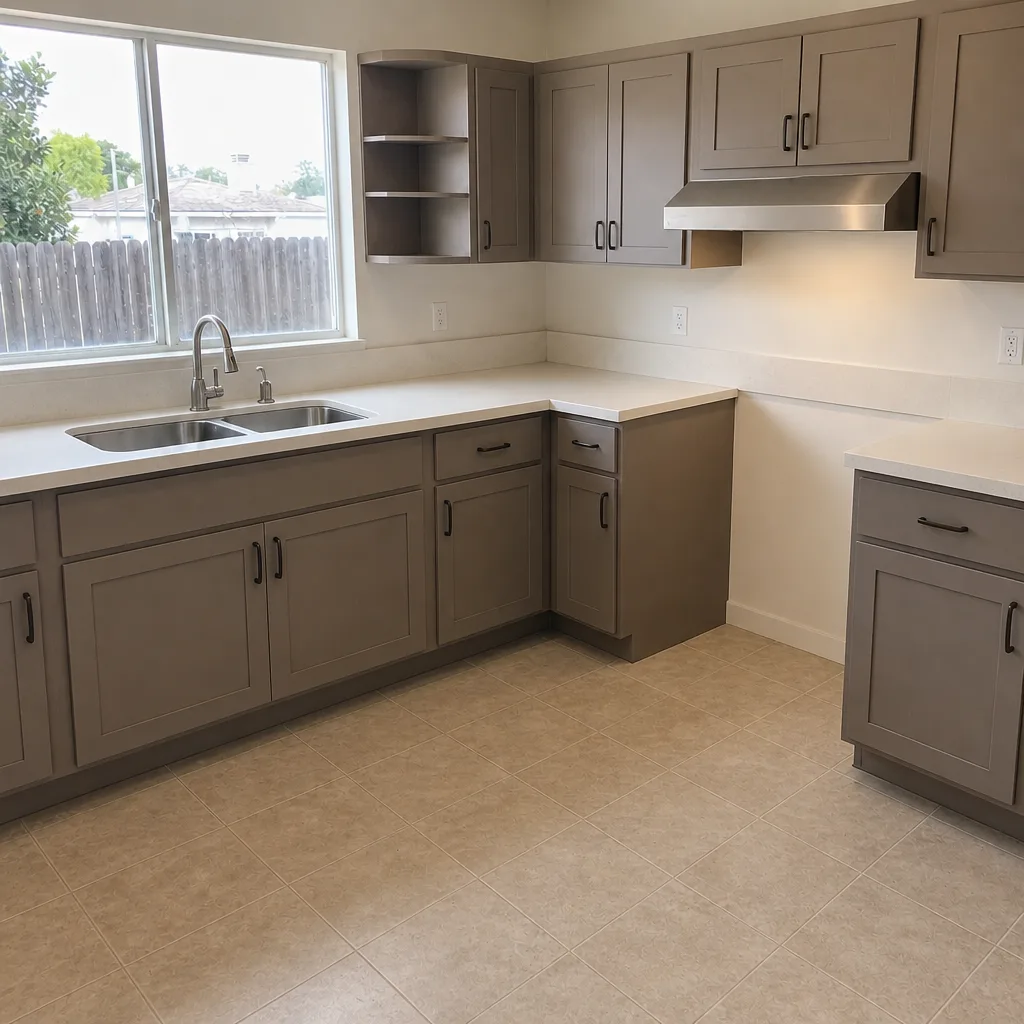 After
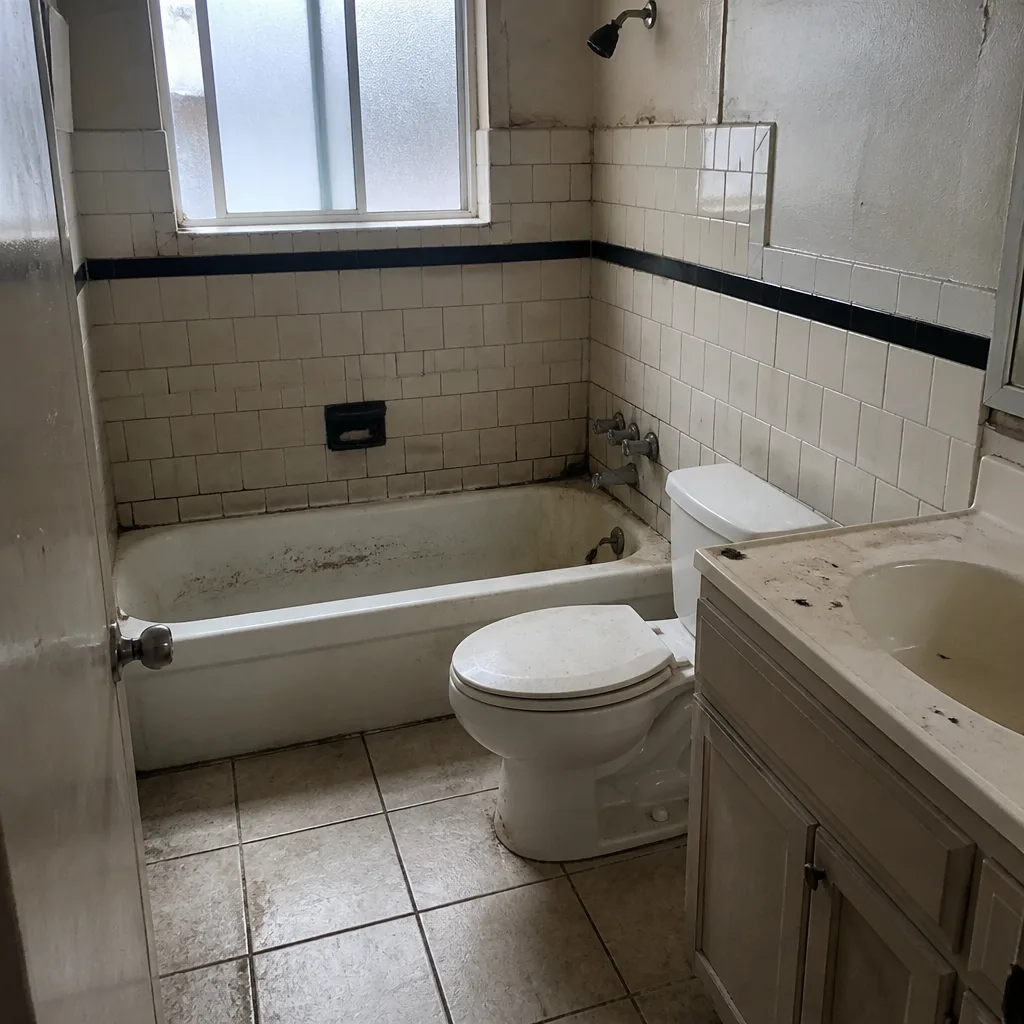 Before
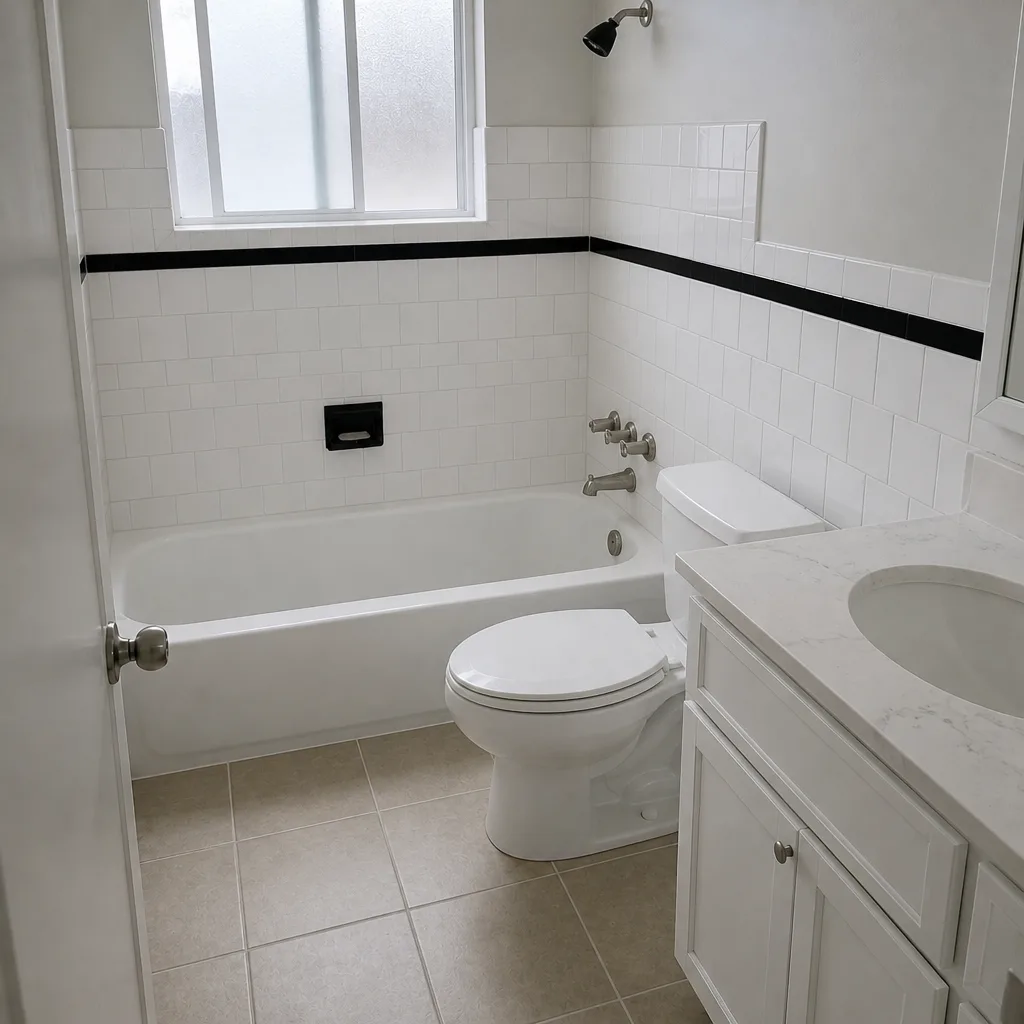 After
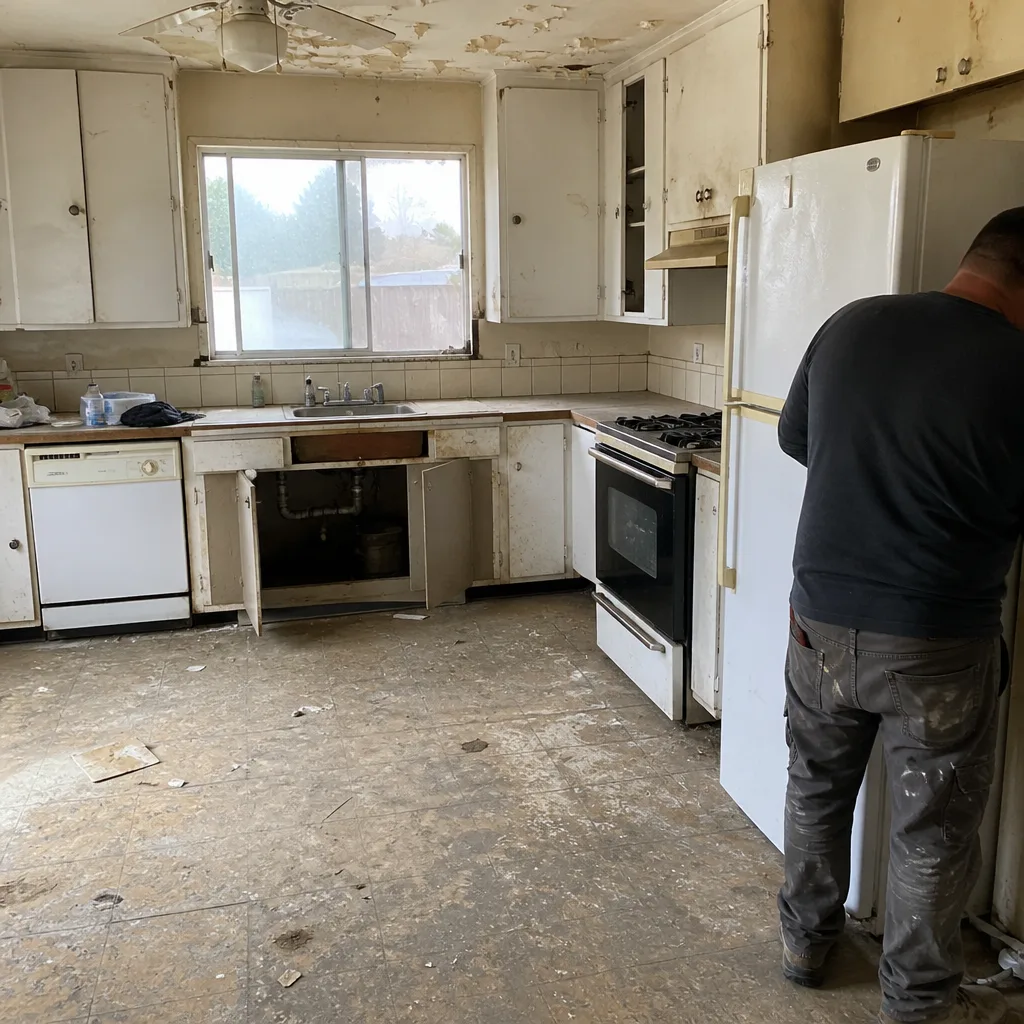 Before
 After
When to Call a Professional
Some fence work is genuinely a weekend project for a confident homeowner: a short chain link run on flat, sandy ground with the locates already done. Most projects in Antioch aren’t that. Clay soil, slope, HOA rules, and utility conflicts along older lots push fence installation into professional territory fast, and a single bad post can mean a gate that never swings right or a panel that lists by spring.
Call a professional when the fence is longer than about 50 feet, when the ground is sloped or clay-heavy, when there’s any question about the property line, or when the fence needs a permit or HOA approval. Call a professional when the fence has to survive kids, dogs, or weather for a decade rather than a season. And call a professional when you want a written timeline with the pre-work phases spelled out, so you know exactly when the crew arrives instead of hoping.
Groundwork Construction Co. of Antioch offers free estimates in Antioch and the surrounding East Bay. Call (888) 419-3650 to schedule yours.
Frequently Asked Questions
The full timeline runs 2 to 6 weeks from signed contract to finished fence, with 1 to 3 days of actual installation labor in the middle. The rest is pre-work (permits, 811 utility marking, HOA approval) and material lead times. If you need a fast turnaround, chain link is the quickest path because it’s usually stocked locally. Call (888) 419-3650 for an exact timeline on your specific lot – estimates are free.
Many fence installations in Antioch require a permit, particularly fences over the typical height limit or those on corner lots where sight lines matter. Height and setback rules vary by zone, so the safe move is to confirm with the City of Antioch before you buy anything. A contractor who’s installed fences here knows the current rules and includes permit time in the schedule you’re quoted. Call (888) 419-3650 to talk through your specific property.
Antioch’s clay-heavy East Bay soil expands and shrinks with moisture, which makes post holes slower to dig and widens the concrete cure window. Posts set in wet winter clay need extra time before they take the load of a gate or a dog leaning on the run. The installation itself adds roughly half a day on heavy clay compared to sandy ground. Call (888) 419-3650 for a timeline based on your actual soil conditions.
Ornamental iron and aluminum fences take 2 to 6 weeks versus 1 to 2 weeks for standard wood, because custom fabrication and powder-coating schedule production rather than pull from inventory. The installation days are similar, but the lead time is where the difference lives. Chain link is the fastest at 2 to 5 days. Call (888) 419-3650 for current lead times on the material you’re considering.
HOA architectural review is probably the most common pre-work delay for fence projects in Antioch, and it can add 2 to 4 weeks if the board only meets once a month. Submit your drawing, material spec, and color sample on day one, and let permit and utility locate work run in parallel. Most delays are avoidable with proper sequencing. Call (888) 419-3650 to talk through your HOA situation.
No, when the quote is written correctly. A proper line-item quote accounts for pre-work, material lead times, and installation labor before the day you sign, so the number you see is the number you pay. Changes only happen when you request a scope change mid-project (adding a gate, extending the run), and those get priced before the work continues. Call (888) 419-3650 for a no-hassle upfront price – estimates are free.
The Bottom Line
The real answer to “how long does fence installation take” is the one a contractor should be honest about on day one: one to three days of labor, wrapped in two to six weeks of pre-work and material lead time. If you walk away with nothing else from this guide, hold onto the split between those two clocks. Ask every contractor you interview what their pre-work plan looks like, when the utility locate is scheduled, and what the current lead time is on your specific material. A contractor who answers those three questions in specifics has done the homework. One who doesn’t will cost you weeks.
Groundwork Construction Co. has been serving local communities since 2014, and every fence project is covered by our 730-Day Done Right Promise, with background-checked, uniformed technicians and live humans answering the phone 24/7. Call (888) 419-3650 for a free estimate, or ask about $1,000 off projects over $10,000 and 0% financing for 18 months. From foundation to finish line, we build to last and back it in writing.
Written by the team at Groundwork Construction Co. of Antioch.