
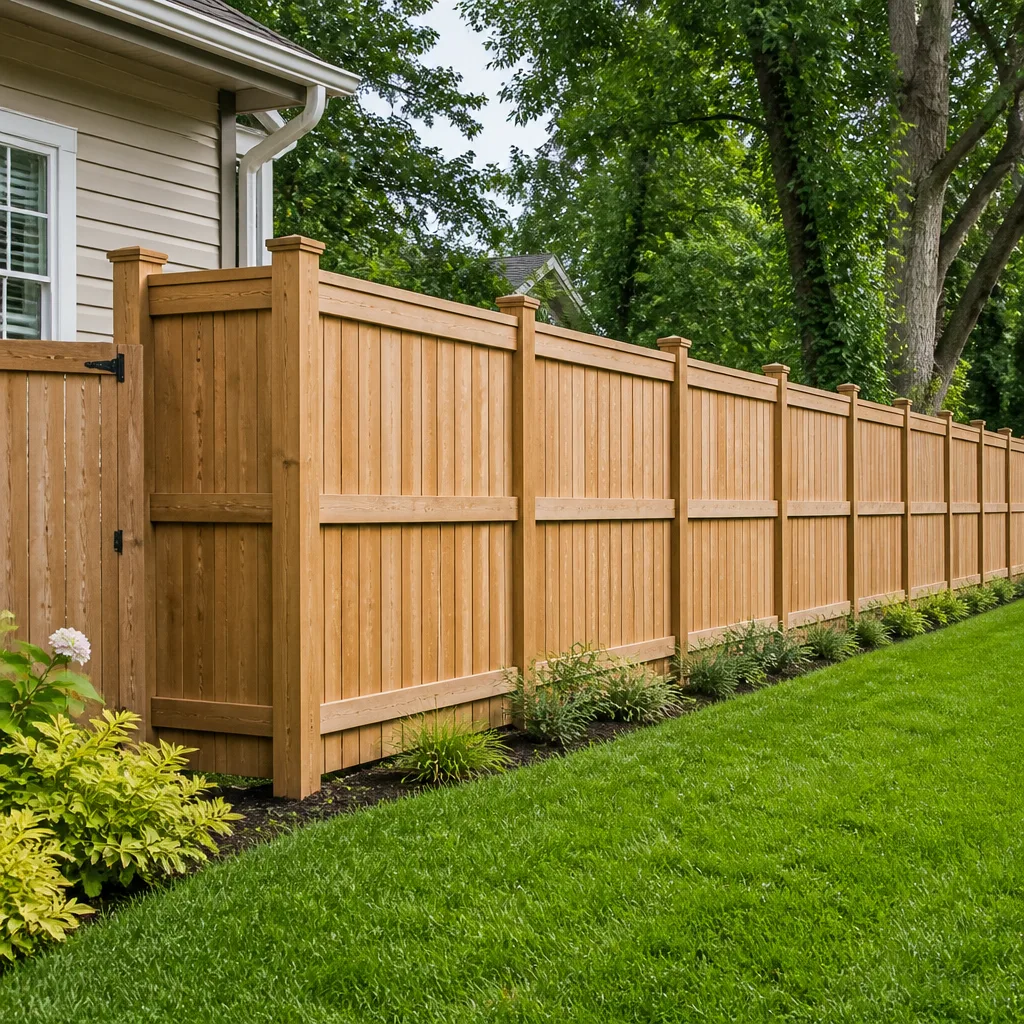
 Fence
 Kitchen remodeling
 Bathroom remodeling
 Home additions & ADU
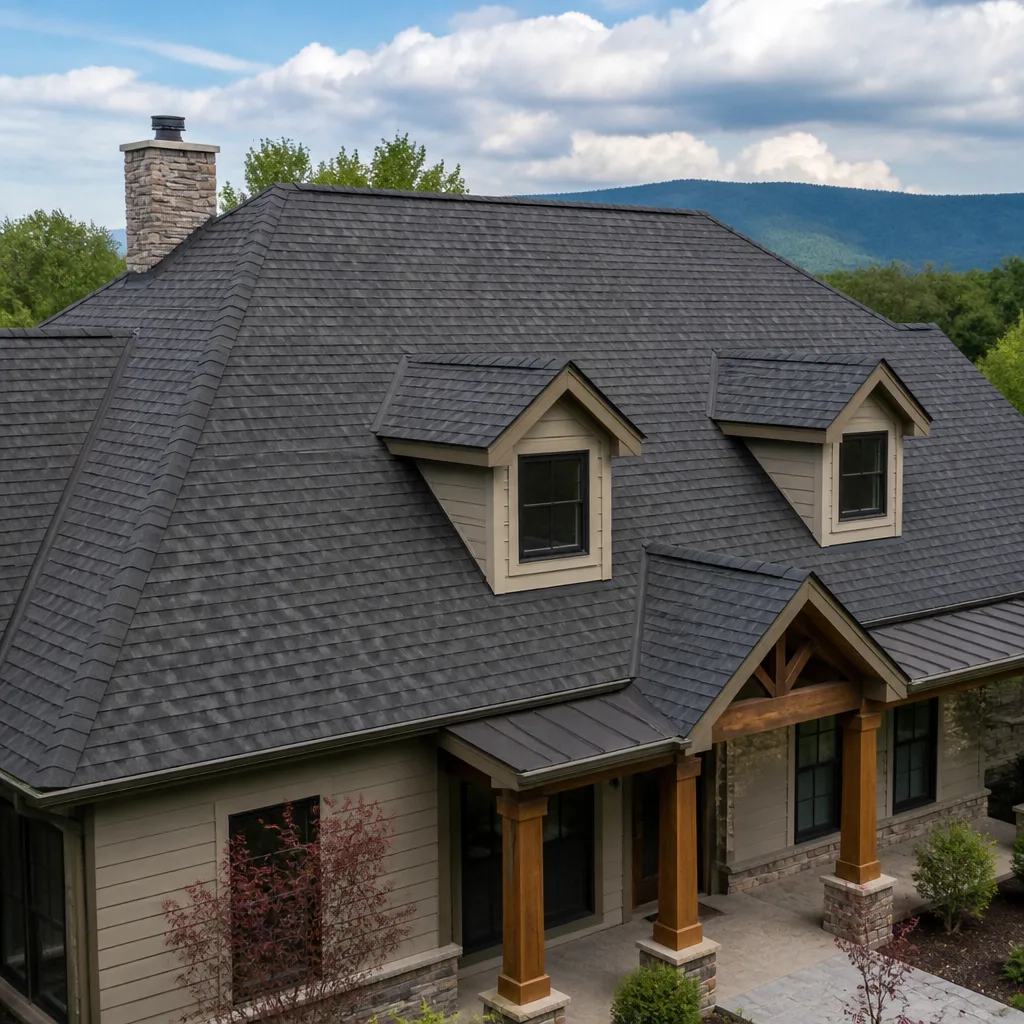 Roofing
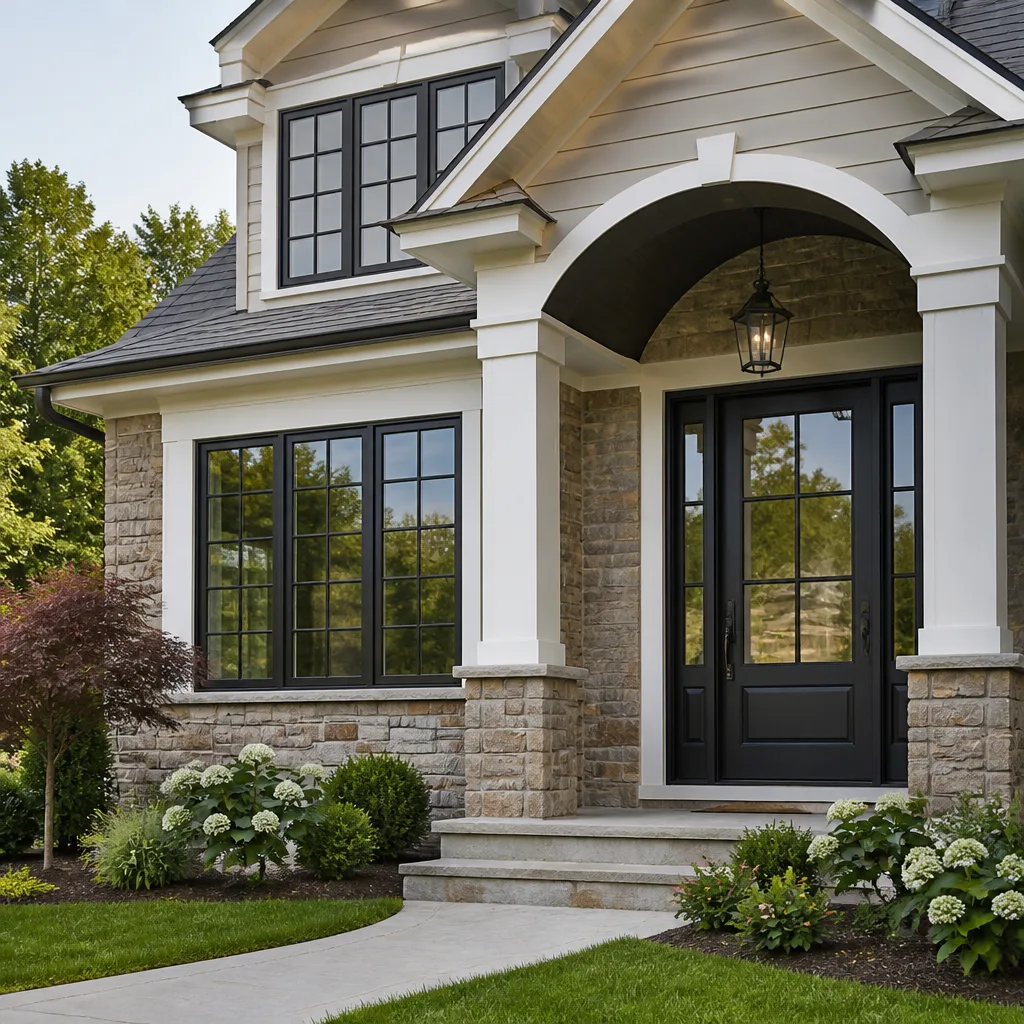 Windows & doors
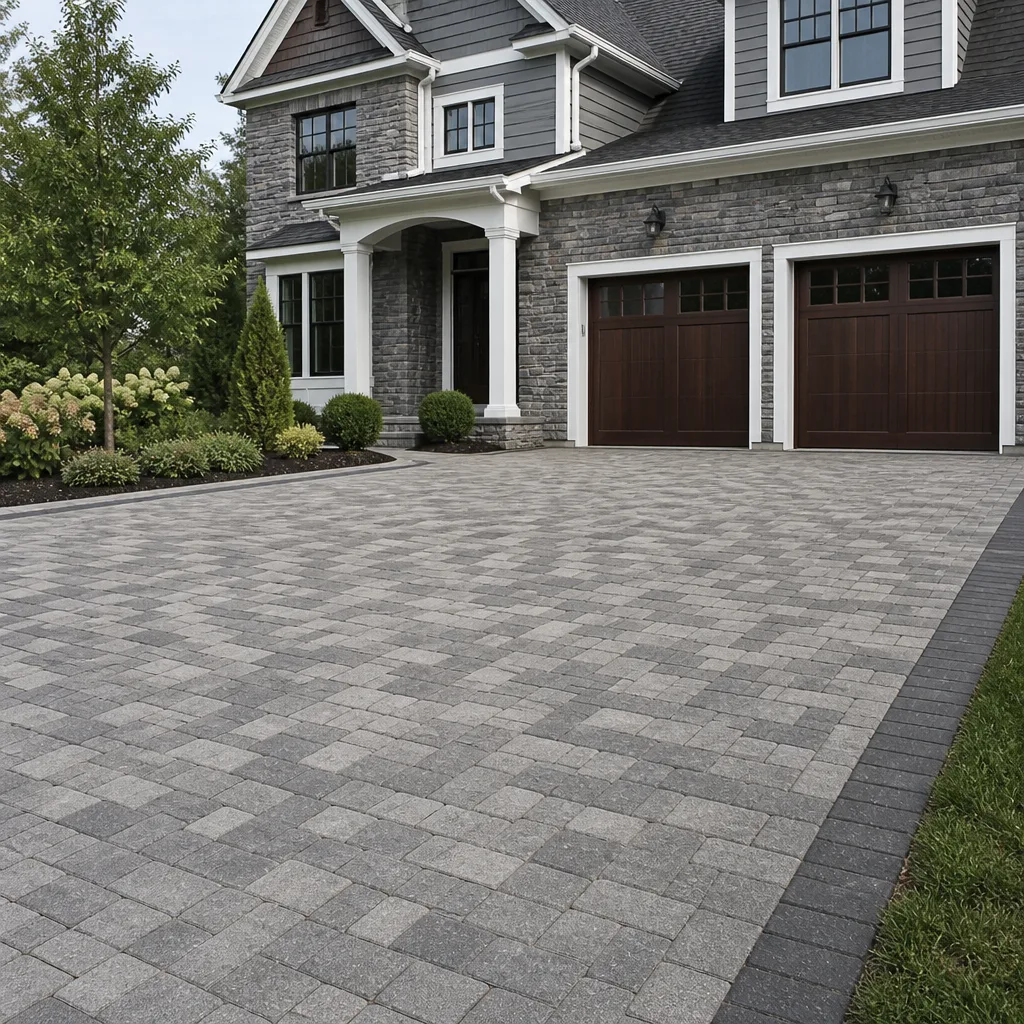 Driveway & pavers
Free written scope consultation - allowances, timeline, and change-order rules on paper before a single trade is scheduled
Styles & brands we work with
- Kitchen remodeling
- Bathroom remodeling
- Home additions & ADU
- Roofing
- Windows & doors
- Driveway & pavers
- Fence
See the difference
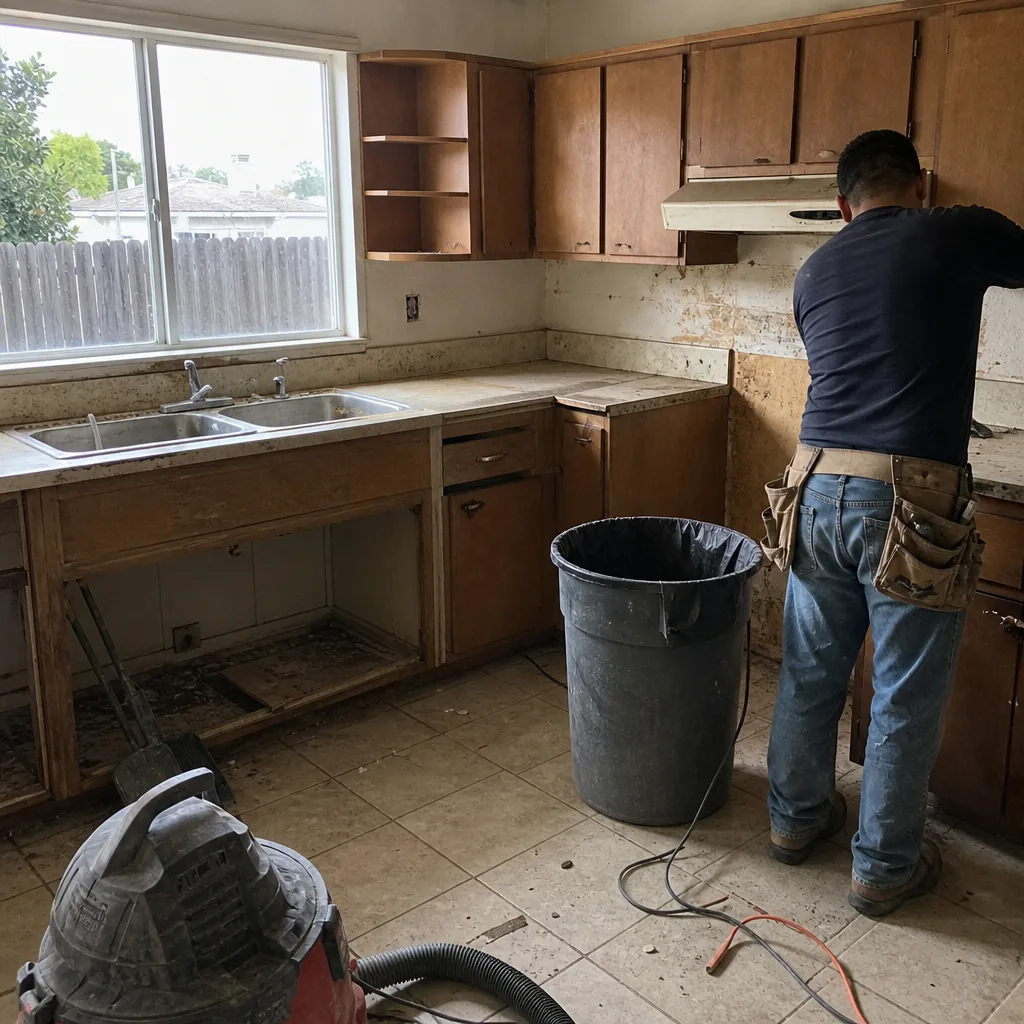 Before
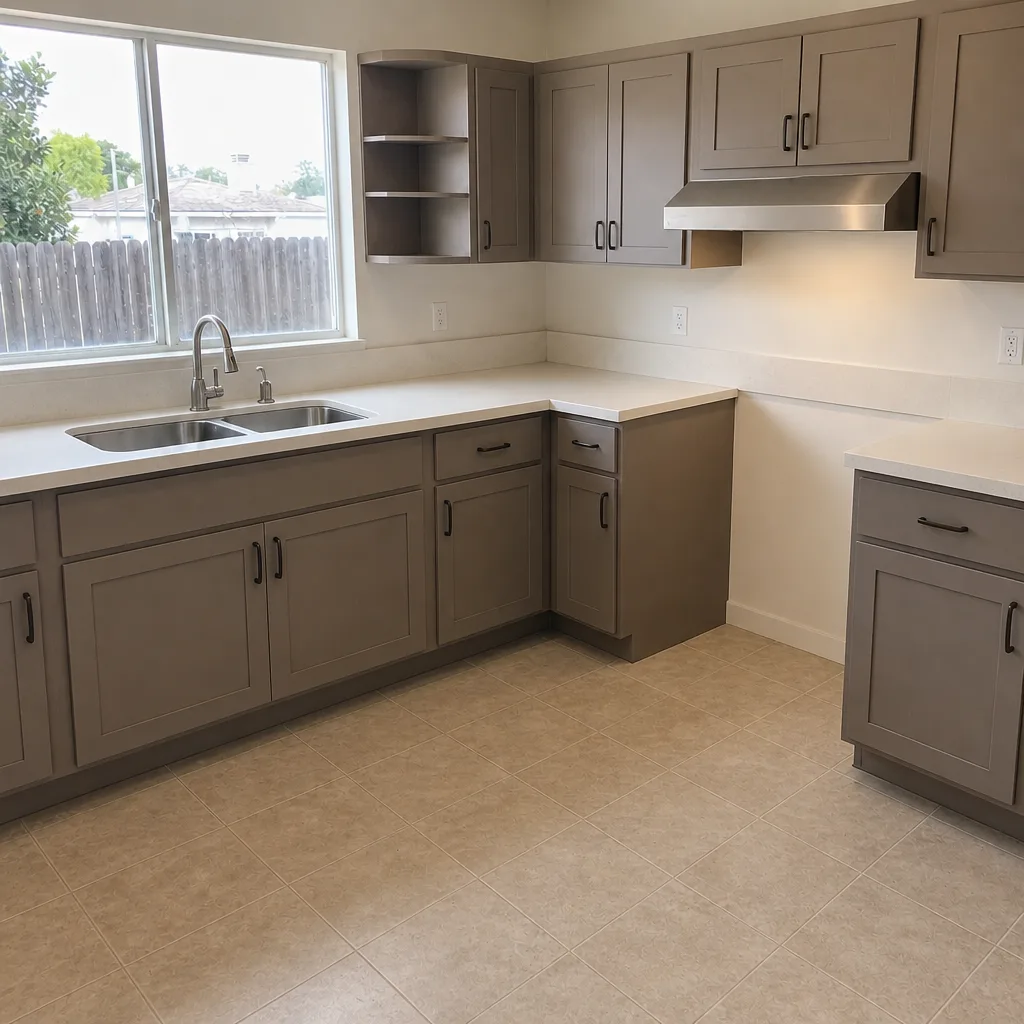 After
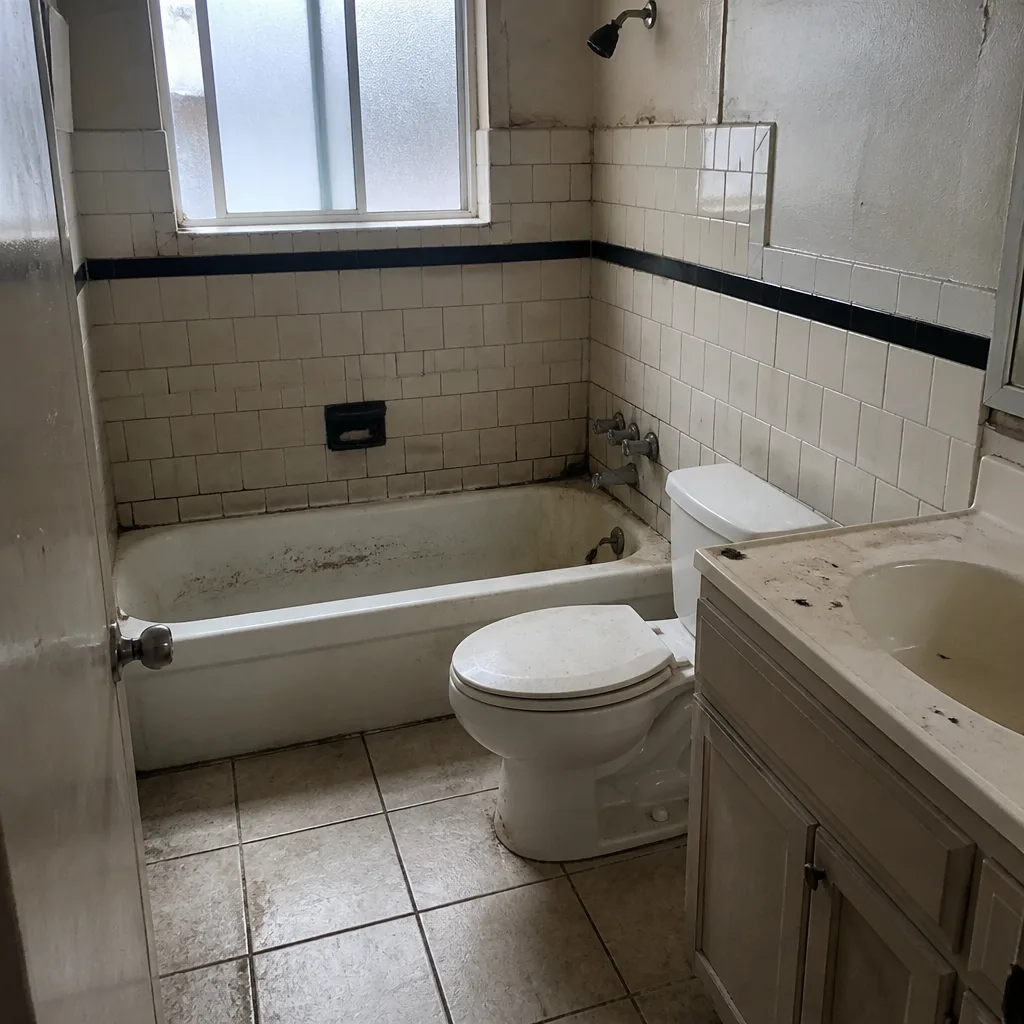 Before
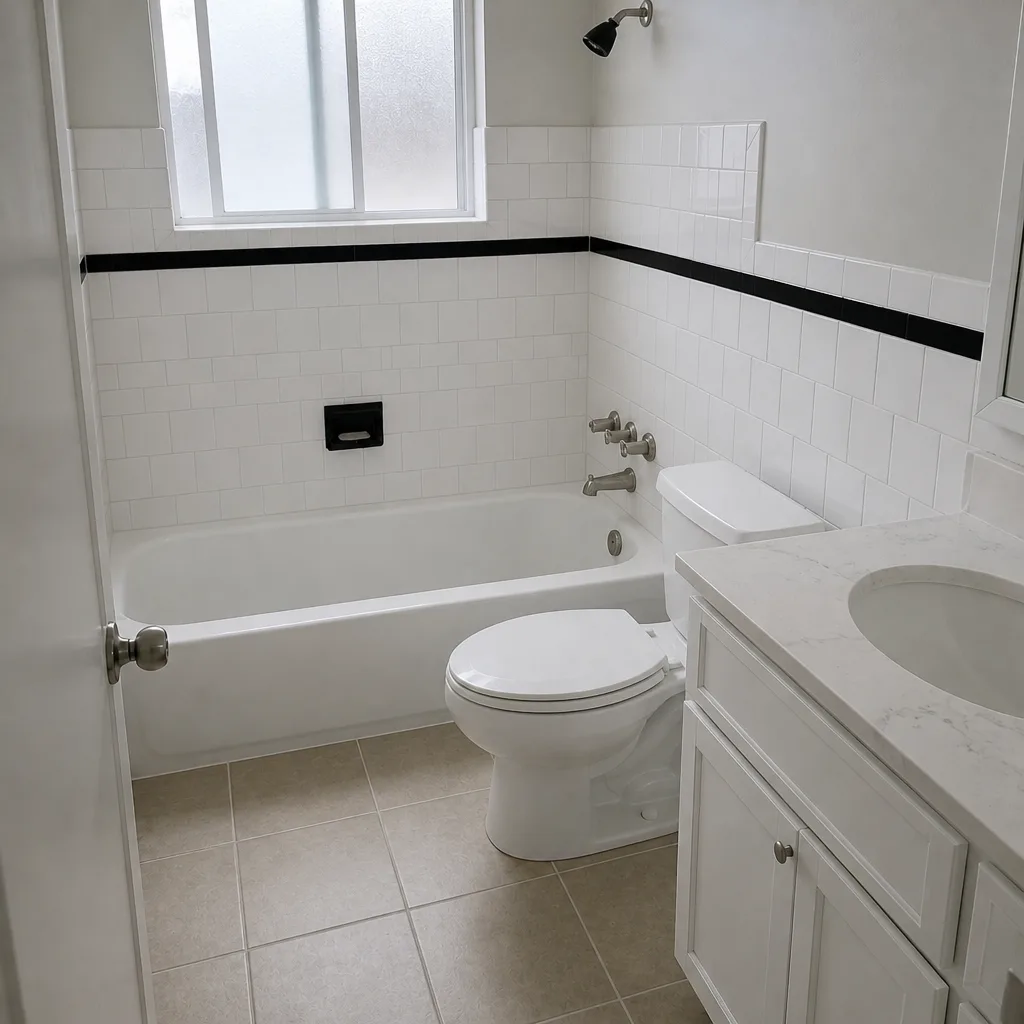 After
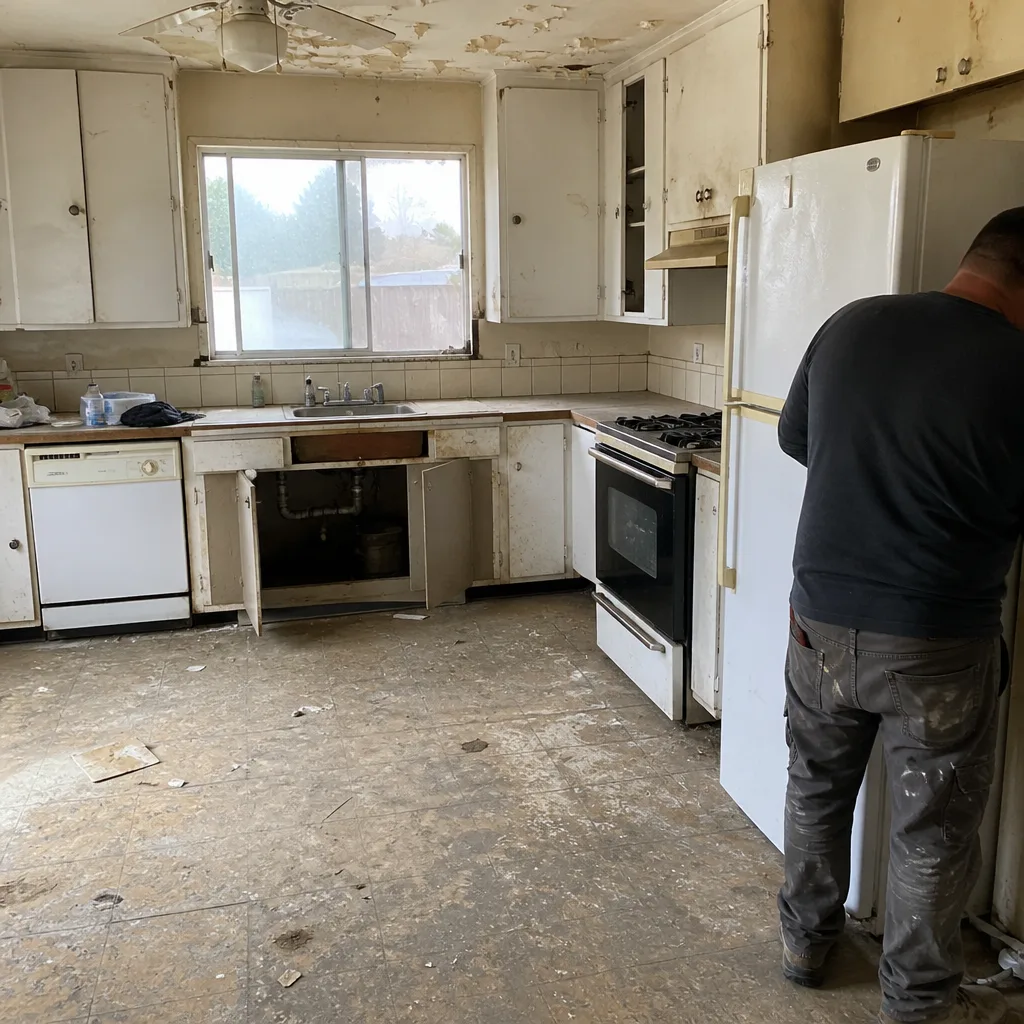 Before
 After
How Deep Should Fence Posts Be in Antioch, CA?
For a standard 6-foot wood fence, most posts should be set 24 to 36 inches deep, with one-third of the post’s above-ground height buried as the baseline rule. But in Antioch’s Delta-side clay, that baseline is often not enough. Our field crews push post depth to 30 to 36 inches for most 6-foot runs here, add a gravel drainage bed under each base, and bell the concrete collar to resist seasonal soil heave. That’s the combination that keeps a fence standing plumb through wet winters and dry Delta summers. If you’d rather have a professional match depth and footing to your actual soil, call Groundwork Construction Co. of Antioch at (888) 419-3650 for a free estimate.
Why the One-Third Rule Falls Short in Antioch Clay
The one-third rule was written for average, well-draining soil. Antioch doesn’t sit on average soil. The flats along the San Joaquin River and the older downtown blocks sit on expansive Bay Area clay with a high water table, and that clay does something the rule never accounts for: it swells.
When winter rain saturates the clay, it expands against the concrete collar around your post. Come summer, it shrinks back. That wet-dry swing happens repeatedly, and each cycle pushes laterally on the collar. Over two to four wet/dry cycles, that lateral force walks posts out of plumb – you’ll see it as a fence that leans toward the street or a gate that suddenly won’t latch. Most national fence guides skip this failure mode entirely because most of the country isn’t built on Delta clay. In Antioch, it’s the number one reason a fence that looked perfect in year one is listing by year three.
Here’s what actually holds in this ground:
- Deeper burial: 30 to 36 inches for a 6-foot fence in clay-heavy soil, not the 24 inches the rule suggests.
- Gravel drainage bed: 4 to 6 inches of crushed gravel tamped below the post base so water drains away instead of pooling against the wood.
- Belled concrete collar: a flared base that’s wider at the bottom than the top, which resists uplift and heave far better than a straight cylinder.
- Proper concrete mix: fast-drying pours matter here – Delta summer heat can flash-cure concrete before it’s worked, so the mix and timing have to match the day.
Hill Lots vs. Flat Lots: Antioch Soil Isn’t One Soil
Antioch’s housing stock splits the soil story in two, and post depth should follow. The southern hill subdivisions built from the 1980s through the 2000s sit on compacted engineered fill that’s more stable and drains better. Standard specs often perform close to expectation up there. The older flats – 1950s-to-1970s ranch tract homes near downtown and the riverfront – are a different job altogether. That ground is native clay with a high water table, and it demands the upgraded footing approach: deeper posts, a belled collar, and the gravel bed underneath.
We don’t guess which one you’re on. A pre-pour soil assessment is part of every fence installation we do, not an upsell – we check the soil, the drainage, and the slope before the first hole is dug, so post depth and footing type match your actual site. That’s the difference between a fence that holds and one you’re resetting in a few years.
How the Belled Base Works (and How It’s Formed)
A belled base is simply a footing that flares out at the bottom like the bell of a trumpet. In expansive clay, that wider footprint grabs more stable soil below the active shrink-swell zone and resists the lateral push that walks a straight post out of line. It also fights frost-style uplift and the slow creep that comes with a high water table near the river.
You don’t need specialized equipment to form one. Crews dig the hole to depth, then widen the bottom few inches with a post-hole digger or a spade before pouring. The trick is getting the flare consistent and tamping the gravel bed flat first – a sloppy bell is barely better than a straight hole. This is detail work, and it’s exactly the kind of thing that separates a fence built to last from a weekend job.
What Fence Post Work Costs in Antioch
Post and footing work is rarely priced on its own, but full fence installation in Antioch runs $3,500 to $9,000 depending on material, length, and how much of your ground needs the upgraded footing. Here’s how the common options line up:
| Fence Type | Typical Antioch Range |
|---|---|
| Vinyl Fence Installation | $3,500 – $9,000 |
| Aluminum Fence Installation | $4,000 – $10,000 |
Every quote comes with no-hassle upfront pricing – the number you see is the number you pay – and larger projects qualify for $1,000 off jobs over $10,000 plus 0% financing for 18 months. Fence projects that stretch into gates, retaining, or a full property line often land in that range. You can see the full scope of what we handle on our Fence Installation page, and our Fence Installation in Antioch page covers the local service in detail.
Common Local Scenarios We See
Every neighborhood has its own version of the same story, and the fix depends on the ground under it.
- Downtown and river-adjacent blocks: high water table plus old native clay. Posts set at the standard 24 inches lean within a couple of seasons. These get the full 36-inch depth, gravel bed, and belled collar.
- Southern hill subdivisions: compacted fill that behaves. Standard depth often holds here, but we still check drainage because afternoon Delta winds drive dust and water across exposed slopes.
- Older ranch lots with aging fences: original posts from decades past are usually rotted at the soil line, not the top. A soil assessment tells us whether to reset or replace.
- Wind-exposed runs: persistent river winds load a fence laterally, so footing geometry matters even more where the fence faces the open Delta.
When the ground game gets complicated – a slope, a shared property line, a spot where water pools – that’s the point to call a pro rather than dig deeper and hope. Our technicians have up to 12 years of experience reading exactly these conditions, and they arrive background-checked and in uniform. Every job is backed by our 730-Day Done Right Promise: if it’s not done right, we make it right.
FAQs
Set posts 30 to 36 inches deep for a 6-foot fence in Antioch’s clay-heavy soil, adding a gravel drainage bed and a belled concrete collar. That’s deeper than the standard one-third rule because expansive Delta clay moves seasonally and will push a shallow post out of plumb. Call (888) 419-3650 for a free estimate on your specific ground.
Yes – concrete collars, especially belled ones that flare at the base, hold far better than tamped dirt in expansive clay. The flare resists the lateral push that walks posts out of line over wet-dry cycles, and the gravel bed lets water escape rather than pool against the wood. A pro can match the footing to your soil; estimates are free when you call (888) 419-3650.
A leaning fence usually means the posts were set too shallow for Antioch’s clay, which swells and shrinks with the seasons and pushes against the concrete collar. Two to four wet-dry cycles is often enough to walk a shallow post out of plumb. The fix is resetting with deeper burial and a belled base – call (888) 419-3650 and we’ll assess it.
Often yes – the southern hill subdivisions sit on compacted engineered fill that’s more stable, so standard depth frequently holds. The older flats near downtown and the riverfront need the deeper, upgraded approach. We run a soil assessment before any pour so the depth matches your actual site, not a generic rule.
If you’d rather have it looked at, Groundwork Construction Co. of Antioch offers a no-pressure assessment in Antioch – call (888) 419-3650 for a free estimate and design consult, and we’ll get the depth and footing right the first time.
Written by the team at Groundwork Construction Co. of Antioch, serving Antioch, CA.