
Last updated November 17, 2026
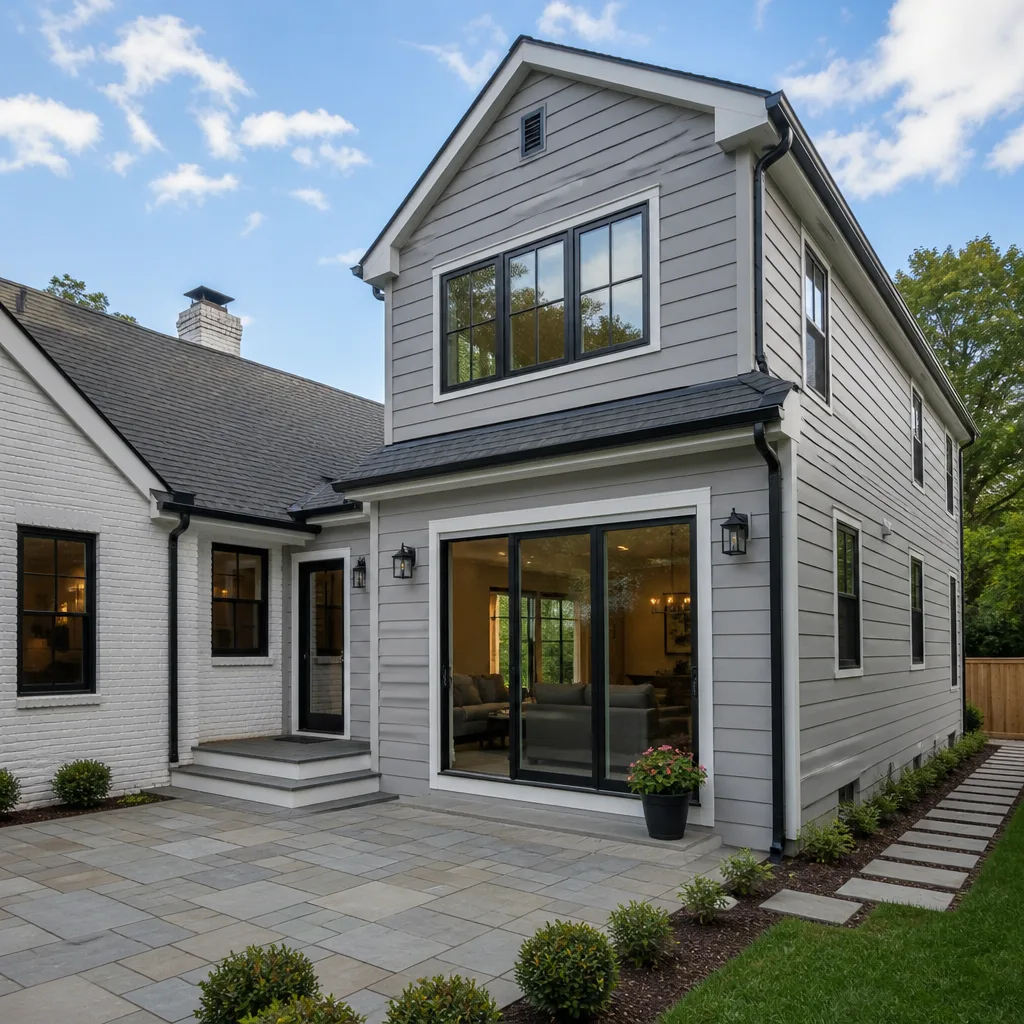 Home additions & ADU
 Kitchen remodeling
 Bathroom remodeling
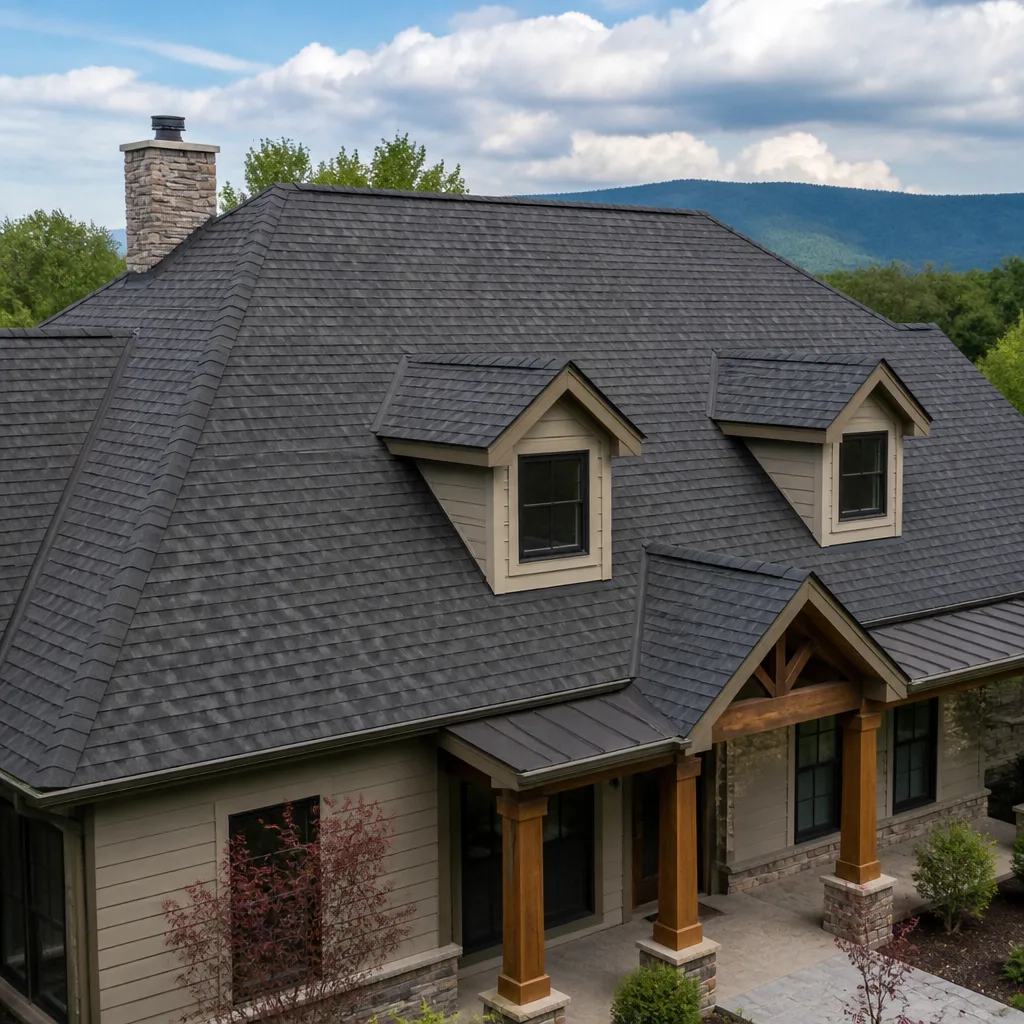 Roofing
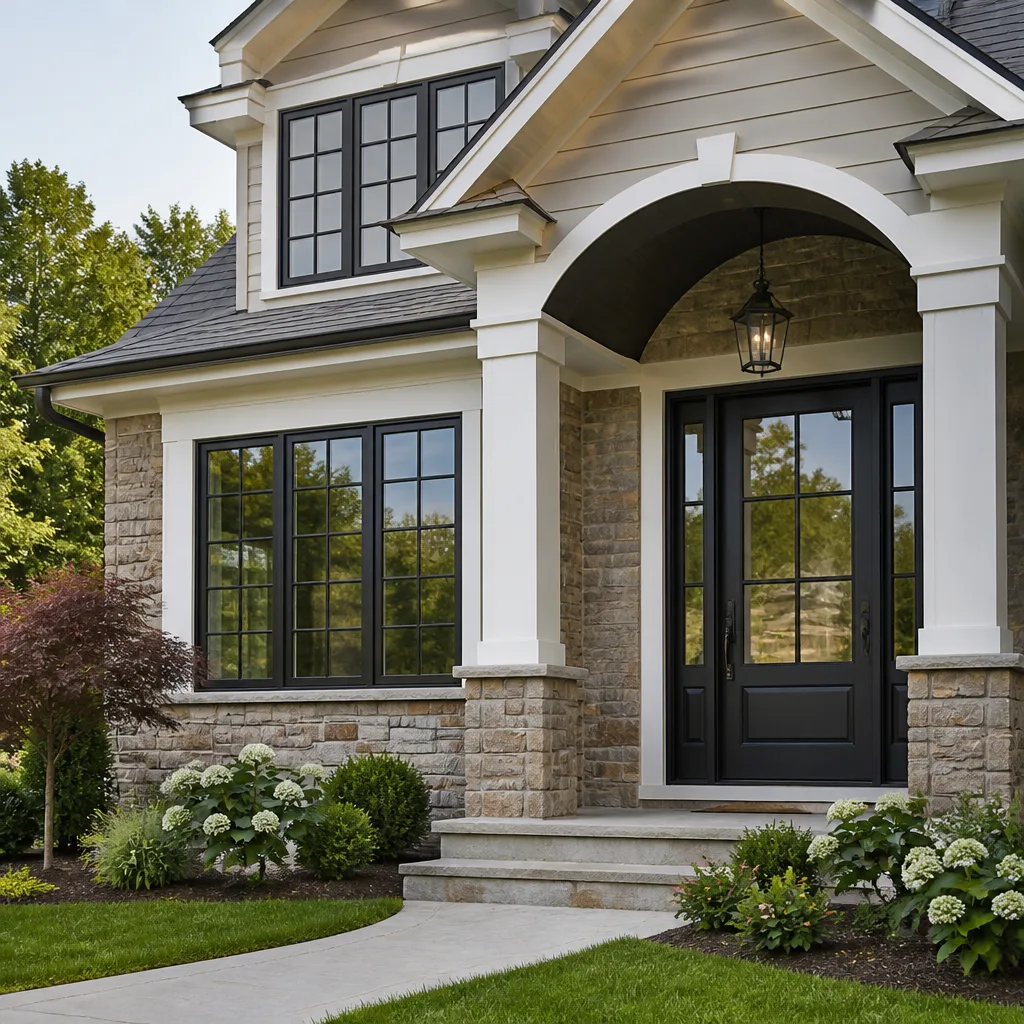 Windows & doors
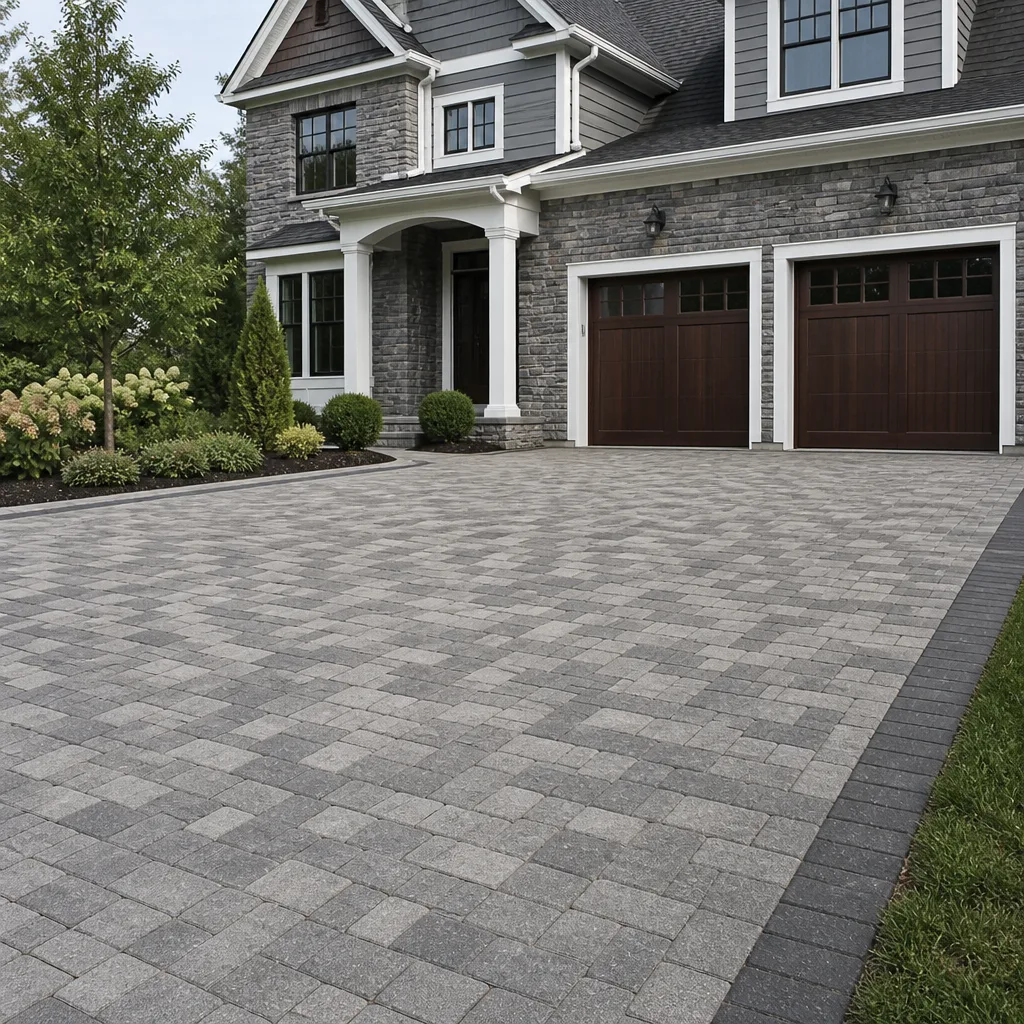 Driveway & pavers
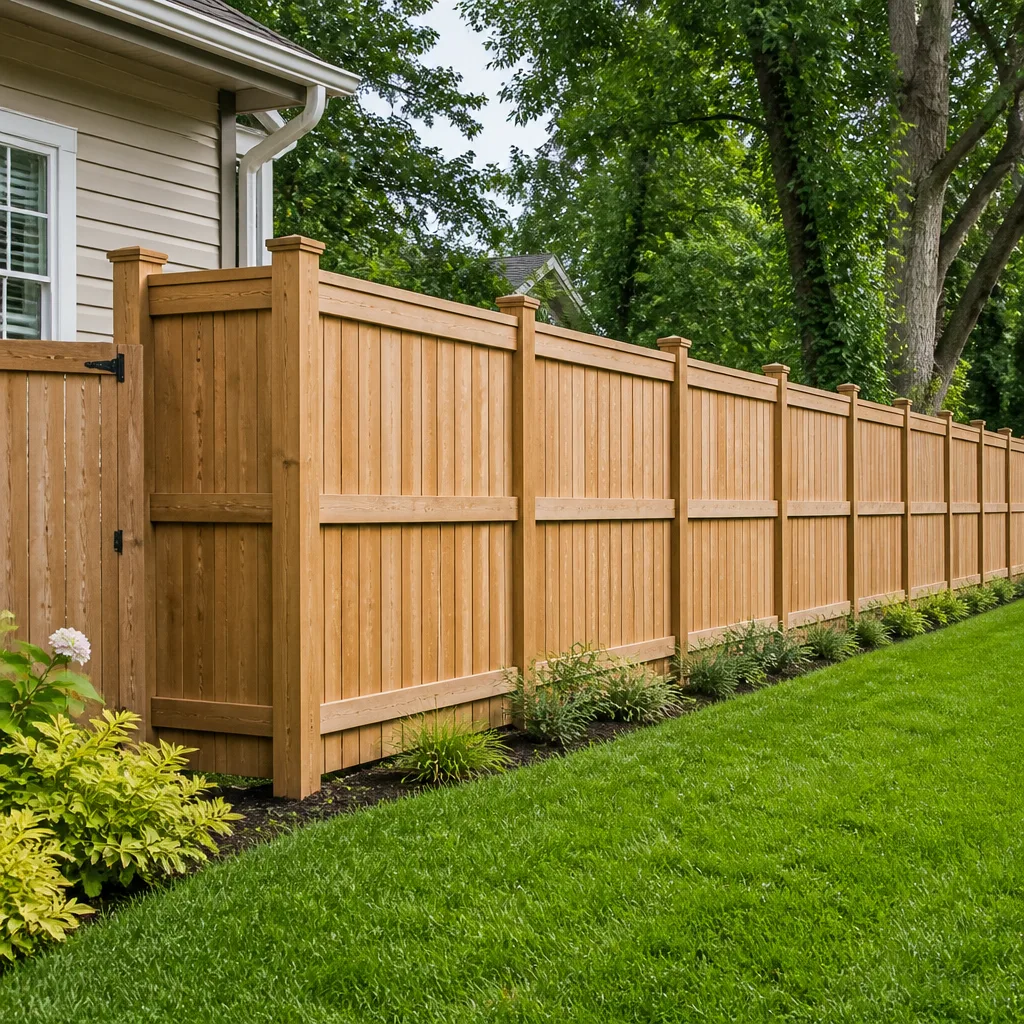 Fence
Free written scope consultation - allowances, timeline, and change-order rules on paper before a single trade is scheduled
Seasonal Construction Care for Antioch: Year-Round Homeowner’s Guide
Antioch gets less than 15 inches of rain a year, and roughly 80% of it lands inside a 90-day window between late October and mid-January. That single fact reshapes how you should maintain an exterior here. Your drainage, caulk lines, and grading get one real test per year, and they either pass or they don’t. This guide maps each exterior system on your house to Antioch’s actual weather calendar: the September prep sequence before the first storm, how 95°F+ summers stress concrete and coatings, what to inspect in spring before the evidence dries away, how to read Delta wind exposure, and how to use the dry months for work that needs long cure times. If you’ve been treating Antioch weather as “mild enough to skip,” this is the page that changes that.
Quick Answer
Exterior construction care in Antioch runs on three hard deadlines: prep and seal everything water-facing in September – October before the rainy 90-day window, inspect and document in March – April before moisture evidence dries, and schedule long-cure work (concrete, coatings, paver base work) across the dry May – September stretch. Miss the fall window and you spend spring repairing instead of inspecting. The systems that matter most here are roof flashing, window and door seals, fence post footings, driveway and paver drainage, and slab grading.
Styles & brands we work with
- Kitchen remodeling
- Bathroom remodeling
- Home additions & ADU
- Roofing
- Windows & doors
- Driveway & pavers
- Fence
Table of Contents
- Antioch’s Real Weather Calendar for Exterior Work
- The September – October Pre-Rain Prep Sequence
- How Antioch’s Summer Heat Attacks Concrete, Wood, and Coatings
- Spring Post-Rain Inspection Protocol
- Delta Wind Events: What Actually Fails and What’s Overbuilt
- Using Antioch’s Dry Summers for Long-Cure Projects
- Materials That Perform in Antioch Conditions
- Common Mistakes to Avoid
Antioch’s Real Weather Calendar for Exterior Work
Antioch sits where the Sacramento-San Joaquin Delta meets the eastern edge of the Bay Area, and that geography produces a climate that reads as “mild” on paper and behaves like a series of sharp tests in practice. Summers push past 95°F with regularity and dry out fast. Winters are cool but not cold, wet but in concentrated bursts. Spring and fall are the transition zones where the real damage either gets caught or gets sealed in.
Here’s how the year actually divides for anyone maintaining an exterior in Antioch:
- January – March: Peak rain. Water-facing systems under constant load. This is when slow leaks reveal themselves and when grading failures show up as standing water at the foundation.
- April – May: Drying-out window. Moisture evidence (staining, efflorescence on concrete, warped trim) is still visible and hasn’t faded yet. Best inspection month.
- June – September: Heat and dry. The right stretch for concrete pours, exterior painting, paver base work, and any repair that needs stable cure conditions. Also when UV and thermal expansion do their damage to caulk, coatings, and wood.
- October: The prep window. Everything water-facing gets inspected, cleared, and re-sealed before the first real storm.
- November – December: Storm season opens. Anything you missed in October becomes a repair ticket.
The trap in Antioch is that the mildness of spring and fall breeds complacency. There’s no hard freeze to force an annual ritual, no snow load to make you think about roof structure, no coastal fog to remind you that marine air is eating metal. Homes here can skate by on minimal maintenance for several years before the deferred items compound into a single expensive repair. When they do, we regularly see it happen in the same seasons: a window seal that was marginal for two winters finally lets water into the wall cavity, or a driveway that was cracking quietly through two summers finally heaves at the apron.
The discipline this guide pushes is simple: treat the calendar as a list of deadlines, not a list of suggestions. Antioch’s weather gives you specific windows, and the cost of ignoring them is almost always a repair that costs more than the maintenance it replaced.
The September – October Pre-Rain Prep Sequence
The most consequential 4-6 weeks on the Antioch exterior-maintenance calendar are mid-September through October. That’s when you get everything water-facing in order before the rain window opens. Once the first storm lands, you’re no longer prepping, you’re reacting.
Here’s the sequence. Work top to bottom, because water runs down:
- Roof inspection first, from the ground with binoculars, then by a pro on the roof. Check flashing at chimneys, valleys, skylights, and vent penetrations. Missing or lifted shingles, granule loss, and curling edges all read as potential entry points. Roof work involves real fall risk; this is an inspection point, not a DIY climb.
- Clear gutters and downspouts completely. In Antioch, most clogs are leaf debris from the valley oaks and eucalyptus in older neighborhoods plus roof grit. A gutters-down stream test after clearing shows you whether downspouts are actually running.
- Check extensions and splash blocks. Downspouts that discharge within 24 inches of the foundation are the most common source of foundation moisture complaints we get in Antioch. Extend them 4-6 feet away from the slab or footing.
- Inspect and re-seal caulk around windows, doors, and exterior penetrations. Look for cracked, pulled-back, or missing beads. Caulk pulls back in Antioch because summer heat cycles expand the substrate and then cool nights shrink the seal. Replace the whole bead, don’t patch.
- Walk the grading and check for low spots. The grade should slope away from the house at roughly 6 inches over 10 feet. Low spots next to the slab hold water and force it into the wall-base and footing.
- Check the fence line for post movement and loose panels. A post that rocks in September will lean after January rains. Fastening hardware and post footings are the weak links.
- Inspect the driveway, walkways, and paver joints. Look for new cracks, settled areas, and joints that have opened up. Paver sand loss and blown joints should be re-sanded and re-compacted before the first storm, not after.
- Confirm drainage paths. Where does the water actually want to go? If a winter storm dumps an inch over a few hours, the path from your downspouts to the street or a swale needs to be clear.
This whole list takes a homeowner a couple of hours to walk and a professional crew to fix properly. If your roofline, caulking, or drainage hasn’t been touched in a couple of seasons, this is the month to schedule it. Groundwork Construction Co. of Antioch home handles roof, window, door, driveway, and fence work in a single visit sequence so nothing gets missed between subs.
How Antioch’s Summer Heat Attacks Concrete, Wood, and Coatings
Bay Area coastal climate is famously mild and gentle on exteriors; Antioch is not that climate. Summers here regularly hit 95°F and above, with long stretches of high sun and low humidity. That combination does specific damage that coastal-influenced guides don’t address.
Concrete flatwork in Antioch heats up fast and cures hard. Driveways, patios, and walkways are subject to thermal expansion during the day and contraction at night, which works on every existing crack and joint. Shade matters more than most homeowners realize: a slab on the west side of the house, in full afternoon sun, moves more than the same slab on the north side. That’s why driveway cracks in Antioch tend to appear on the sun-exposed apron first. In July and August, a concrete pour done at midday in direct sun will lose workability and cure unevenly; the reliable window is early morning or, ideally, spring and fall.
Wood trim and siding in Antioch cycle through wide daytime-to-nighttime temperature swings and dry out from constant UV. Fascia, window trim, and any south- or west-facing wood lose paint adhesion and develop checks. Fiber cement siding (James Hardie, for example) handles the UV better than wood, but even fiber cement needs caulk maintenance at the joints and penetrations. This is why we recommend inspecting the south and west exposures of any Antioch home every spring, not just the shaded sides.
Exterior coatings in Antioch get a shorter service life than the manufacturer’s coastal-climate test data suggests. Paint fails first by chalking (surface powdering) on the sun-facing sides, then by peeling at the edges where water gets behind. If you’re repainting in Antioch, two high-quality coats on a properly prepped surface, scheduled for spring or fall, will outperform a quick single-coat job every time. Summer painting has to be timed to avoid direct sun on the wet surface or the paint will flash-dry and fail early.
The broader lesson: don’t import generic Bay Area advice into Antioch. The heat here is a material stress, not a comfort concern, and it needs to be planned for.
Spring Post-Rain Inspection Protocol
The 6-8 weeks after the rain stops are the only window where water damage evidence is still fully visible. Once the wall cavity, trim, or concrete surface dries fully, the staining fades, the efflorescence whistles away, and the evidence of a slow leak is gone until the next rainy season, when it comes back bigger.
If your home is older slab-on-grade construction, this spring window is especially important. Slab-on-grade homes don’t have a crawl space to inspect and don’t have a basement to catch water; moisture intrudes at the wall-base transition, around penetrations, and through hairline cracks in the slab itself. Moisture that gets in through the slab edge has nowhere to drain and will stay in the wall cavity until it rots framing or grows mold on interior drywall.
Here’s the spring inspection sequence:
- Walk the interior perimeter looking for water staining, tide lines, or musty smells. Baseboards that have swelled or pulled away, discolored drywall at the bottom 12 inches, and warp in flooring are all evidence of cooling-season moisture.
- Check window and door reveals on the rain-facing side. Water that got past a seal in November will have left a water stain or a soft, puffy drywall corner by April.
- Inspect the exterior wall base where it meets the slab. Look for cracked stucco, staining, or efflorescence (white mineral salt buildup) that indicates water is being drawn through and evaporated at the surface.
- Examine the roof from the inside of the attic or interior ceiling. Stain rings around penetrations, damp decking, and daylight are all indicators the roof flashing wasn’t doing its job.
- Check the fence line and gate posts for settlement or leaning. Wood post rot is caught in spring, not fall, because a wet post dries from the outside in and the rot reveals itself when it can’t spring back.
- Inspect the driveway, patio, and paver areas for new cracking, settling, or sand loss in joints. A paver that shifted in the wet season shows up as an uneven joint or a low spot that pools.
Document what you find with photos. If you’re calling a professional, that documentation saves time and helps a contractor match the diagnosis to the pattern. Fence Installation in Antioch is a good example: the post failures we see in Antioch most often reveal themselves between March and May, when the winter is done and the leaning is obvious.
Delta Wind Events: What Actually Fails and What’s Overbuilt
Antioch sits on the edge of the Delta, and the wind here is real. Spring and fall bring gusts that test exterior construction in specific ways, and one of the most common questions we get from Antioch homeowners is whether they need “wind-rated” upgrades. The honest answer is that it depends on the element.
What actually fails in Delta wind events here:
- Fence panels and gates. The most common wind failure in Antioch is a fence panel that separates from a post, or a gate that racks or comes off its hinge. Board-and-picket fences are essentially flat sails during a gust, and most standard installs rely on post embedment and fastener spacing to hold them down. Undersized posts and shallow footings are the weak link.
- Roof edges and ridge caps. Lifted or missing shingles at the eave and along the ridge are the first warning sign after a wind event. Roofing underlayment and edge metal quality determine whether a gust lifts a shingle or tears the whole field.
- Loose gutter sections and downspout elbows. Fastener spacing on gutters is the most common failure point, and a downspout that comes loose in wind is a next-rain water problem at the wall.
- Patio covers, pergolas, and shade structures. Lighter structures get the wind loads first. Anything anchored to a slab needs those anchors to actually be holding, not just present.
What’s usually overbuilt for Antioch conditions:
- Full hurricane-rated window systems. Antioch’s wind exposure doesn’t justify the coastal or high-wind-zone specifications that some manufacturers market heavily. A properly installed, code-compliant window from a reputable brand (Therma-Tru for doors, ViewLux or Andersen for windows) performs well here without the extra cost of wind-zone hardware.
- Reinforced garage doors rated for wind-borne debris. Those ratings are designed for coastal hurricane zones. Antioch homes don’t need them for local wind exposure.
- Oversized concrete flatwork reinforcement. Rebar grid sized for heavy-load commercial slabs is unnecessary for most residential driveways and patios in Antioch.
The reliable upgrade list for Delta wind in Antioch is simpler than the marketing suggests: robust fence posts (4×4 minimum, deeper footings, properly set in concrete), a quality roofing system installed to the manufacturer’s spec, well-fastened gutters, and just enough structure in the pergola or shade build to handle the load without overengineering the rest of the house.
Using Antioch’s Dry Summers for Long-Cure Projects
Antioch’s June – September dry stretch is the best construction window on the local calendar, and most homeowners don’t think about it in those terms. The weather that punishes existing exteriors also creates ideal conditions for specific repairs and installations.
What belongs in the summer window:
- Concrete pours for driveways, patios, walkways, and slab extensions. Stable dry weather gives you controlled cure conditions. Schedule for morning pours and cover the surface during high-heat days so the concrete cures at a reasonable rate rather than flash-drying.
- Exterior painting and coatings. Dry, moderate-humidity days are exactly what paint needs before it skins over. Avoid painting in direct afternoon sun or in high wind, and aim for the cooler part of the morning.
- Paver base installation and re-sanding. The base compaction and sand setting need dry conditions to be reliable. Driveway & Pavers in Antioch work scheduled for spring and summer pays off with better base stability through the rainy season.
- Fence installation and post replacement. Concrete footings need proper cure time before the first rain, and dry summer conditions let posts set without water intrusion.
- Stucco, siding, and trim repairs. Any repair with a sealant or coating step needs dry weather to cure correctly.
Longer builds like additions and ADU work also benefit from the dry season: framing, sheathing, and drying-in happen without repeated weather interruptions, which is one reason projects started in early spring and reaching weather-tight status by early summer move more predictably. If you’re planning a Home Additions & ADU in Antioch project, the planning timeline should account for the construction window, not just for permit processing.
One caution: don’t let summer heat turn into skip-the-cure shortcuts. Concrete that cures too fast in peak heat is weaker concrete, and coatings that flash-dry fail early. The right summer work is scheduled with cure conditions in mind, not just calendar convenience.
Materials That Perform in Antioch Conditions
Antioch’s climate reward specific material choices over others. The differences don’t show up in year one. They show up in year seven, when one product is still in good shape and another has failed.
On windows and doors, the frame material matters more than any single marketing feature. Vinyl and fiberglass frames handle the heat-and-cool cycling better than wood in full sun, and a name-brand product with a solid installation behind it (Therma-Tru for entry doors, ViewLux or Andersen for windows) gives you serviceable parts and a manufacturer warranty if a seal fails. We’ve seen good mid-range windows installed correctly outlast premium windows installed poorly, every time.
On roofing, the climate pushes toward products with strong UV resistance and durable edge metal. GAF and Owens Corning shingle systems with proper underlayment, flashing, and ridge venting handle Antioch conditions well. Roof failures in Antioch are almost never the shingle field; they’re the flashing details at penetrations and valleys, which is why installation quality matters more than brand badge.
On fencing, wood (cedar and redwood) and quality composite systems both perform in Antioch, but the fasteners and posts matter more than the pickets. Barrette and Master Halco offer well-made systems with serviceable hardware. The most common fence failure here is post rot at or below grade, not panel material.
On driveway and paver work, the base prep matters far more than the paver surface. A properly compacted base under quality pavers (Belgard or equivalent) will outlast a thin base under expensive pavers, every time.
In every category, the theme is the same: brand name helps, installation and base prep decide. That’s the reason we lead with the 730-Day Done Right Promise on every job: if a premium material is spec’d but installed poorly, the warranty is what makes the difference.
Common Mistakes to Avoid
- Skipping the September prep because the sky is still clear. The first storm in Antioch can arrive in late October, and by then you’re paying emergency rates instead of maintenance rates. Do the walk in mid-September, not the week before rain.
- Caulking over failed caulk instead of removing it first. New caulk over old will pull back in the same heat cycle that failed the old one. Full removal and reapplication is the only reliable fix; a patch is a next-spring repair.
- Assuming “mild Bay Area climate” means less frequent maintenance. Antioch runs hotter and drier than coastal Bay Area cities, and the UV and thermal cycling are harder on caulk, coatings, and wood trim. Importing coast-grade maintenance schedules into Antioch is how homes get behind.
- Not extending downspouts far enough from the foundation. A downspout that discharges within 24 inches of the slab is a leading cause of foundation dampness in Antioch’s older slab-on-grade homes. Extend them 4-6 feet, and check the extension after every big storm.
- Pouring concrete in peak summer heat without cure management. Midday July pours flash-dry and lose strength. If the work has to happen in summer, schedule early morning and cover the surface during cure.
- Replacing a fence panel without checking the post. The panel separated because the post moved. If the post is compromised, a new panel goes on a failing post and separates again next wind event. Check and replace the post first.
- Ignoring the spring inspection because nothing looks wrong inside. Water intrusion evidence dries and fades. The old water stain on the drywall tells you next rainy season’s problem; if you re-paint over it in June, you’ve erased the diagnostic and haven’t fixed anything.
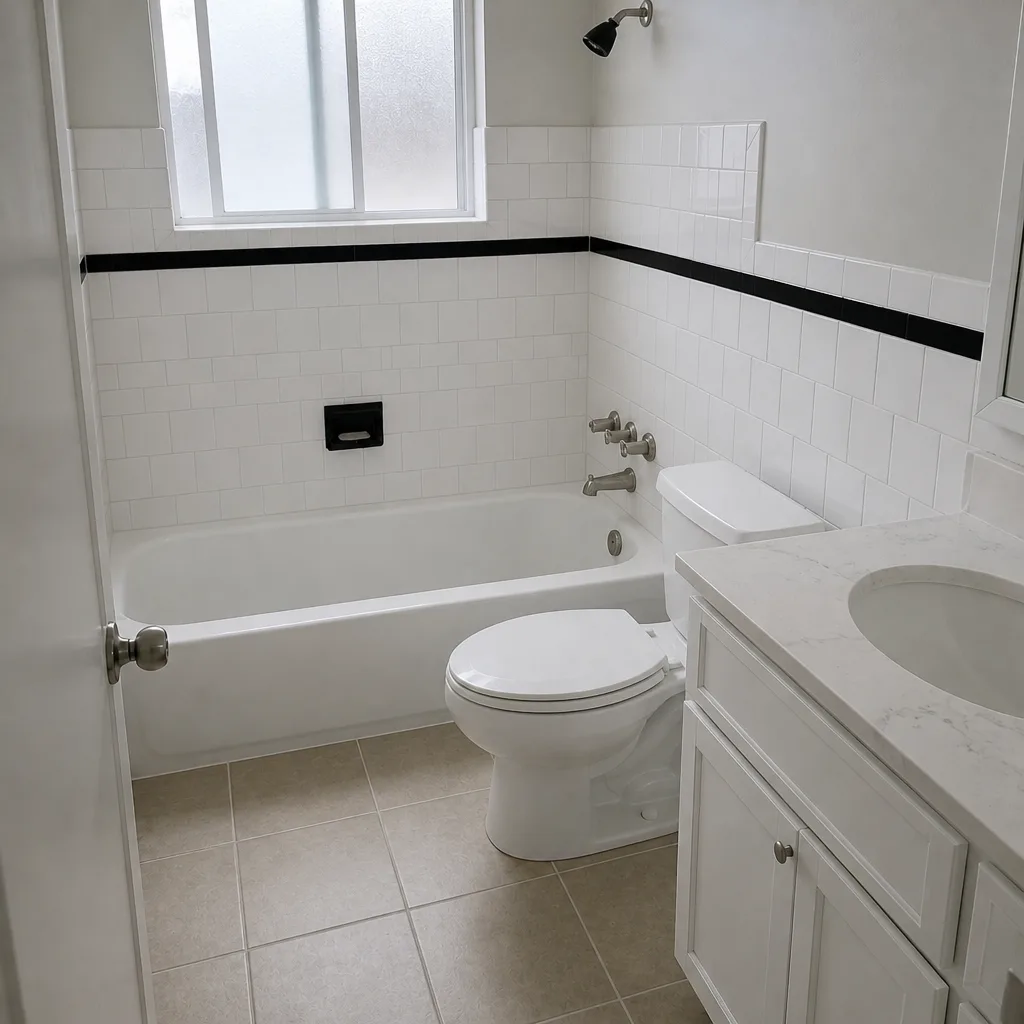
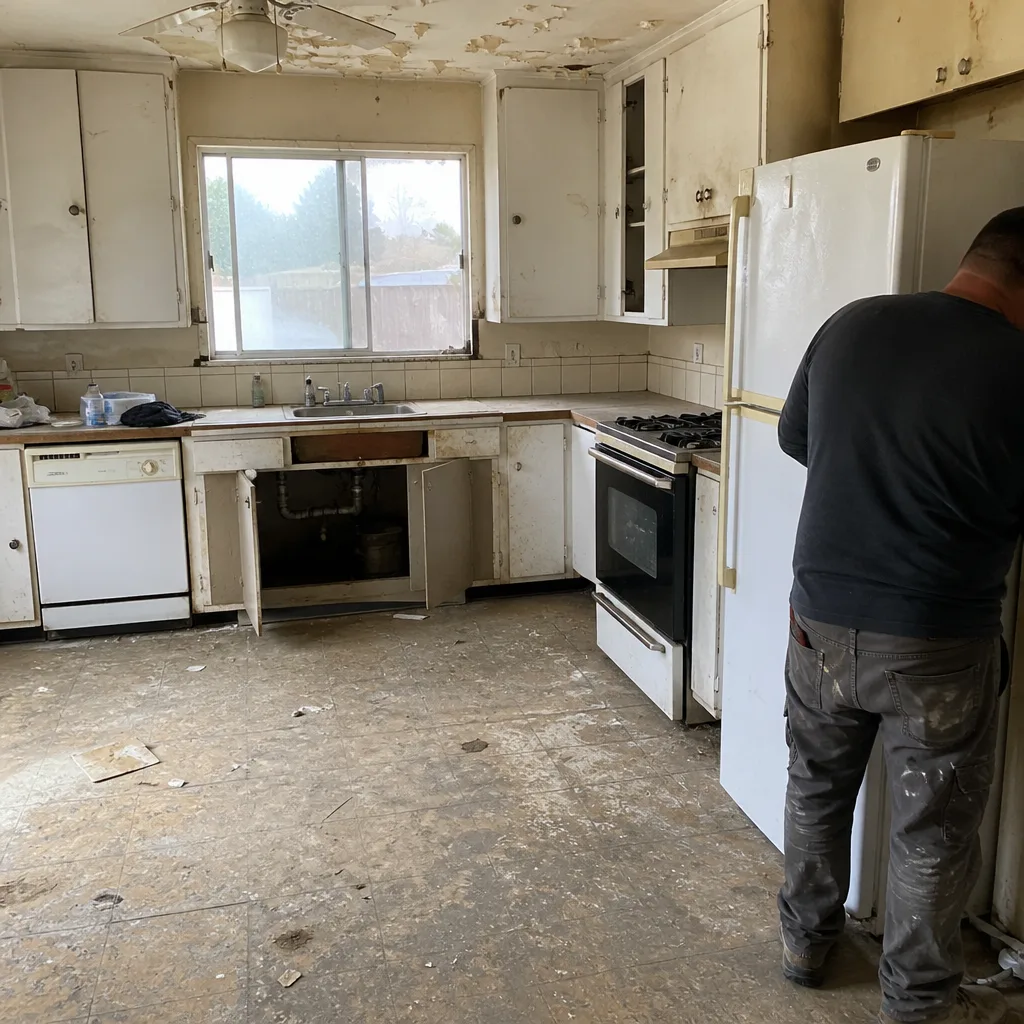
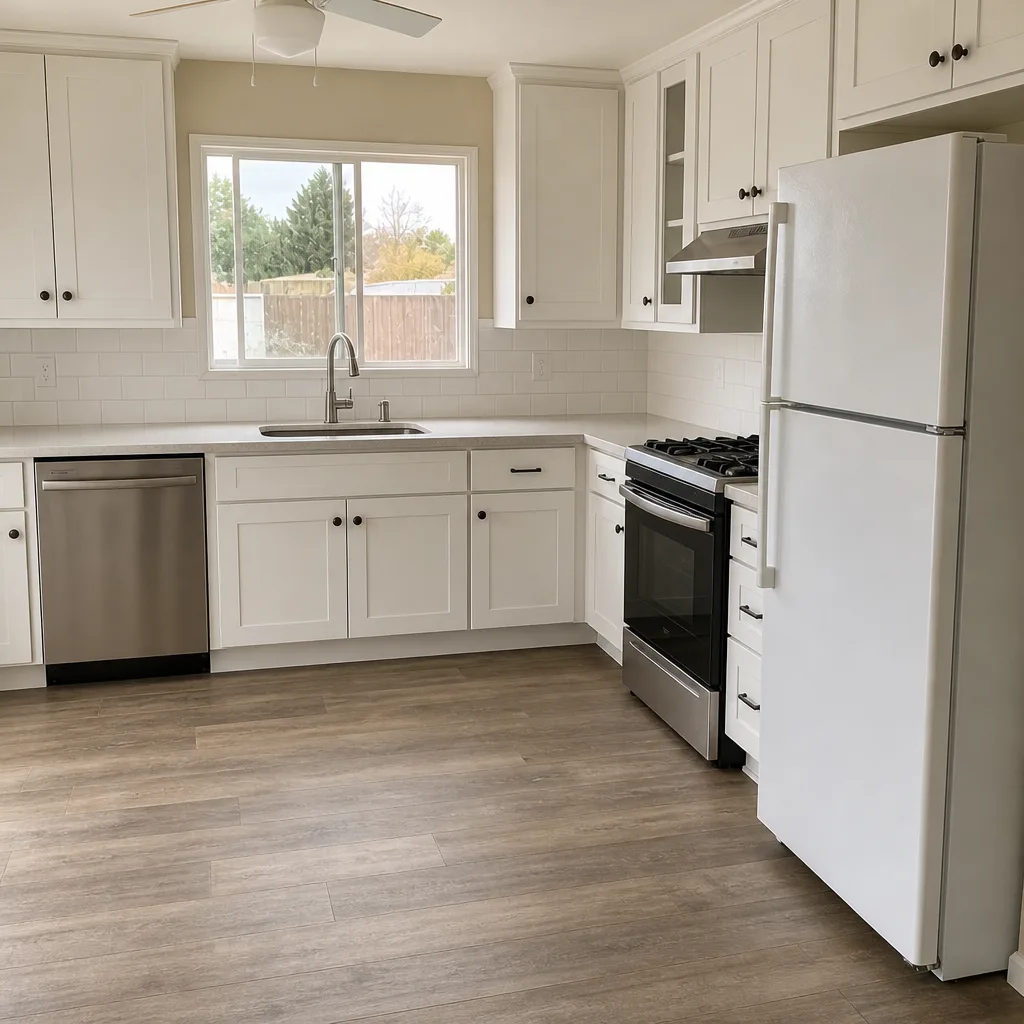
See the difference
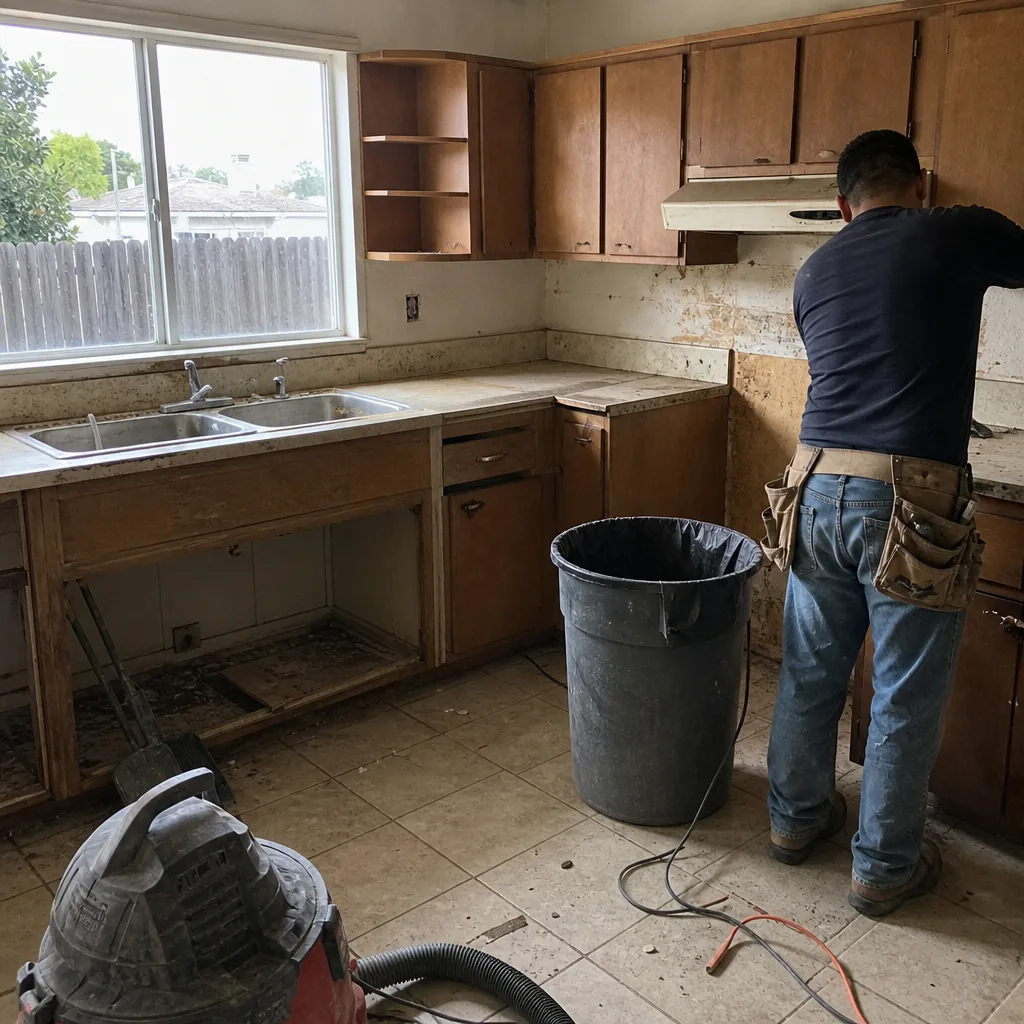 Before
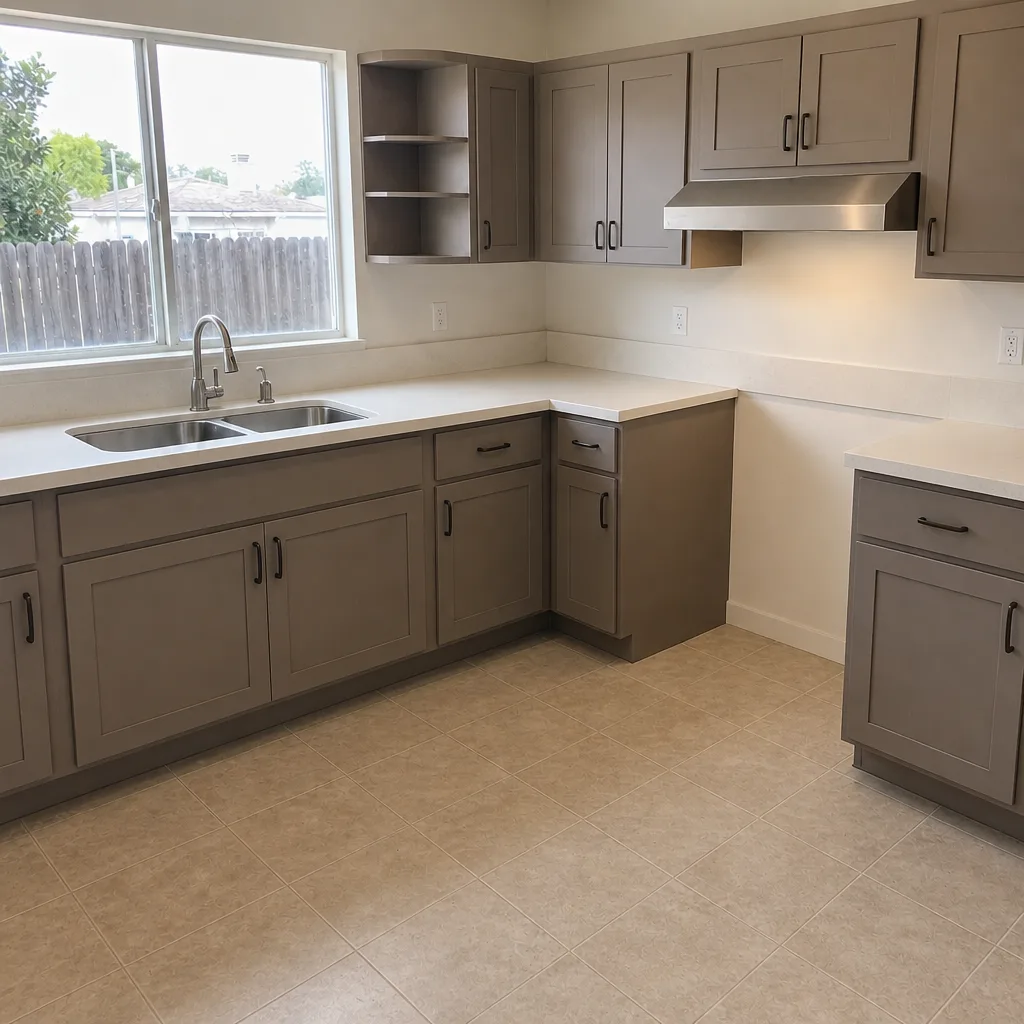 After
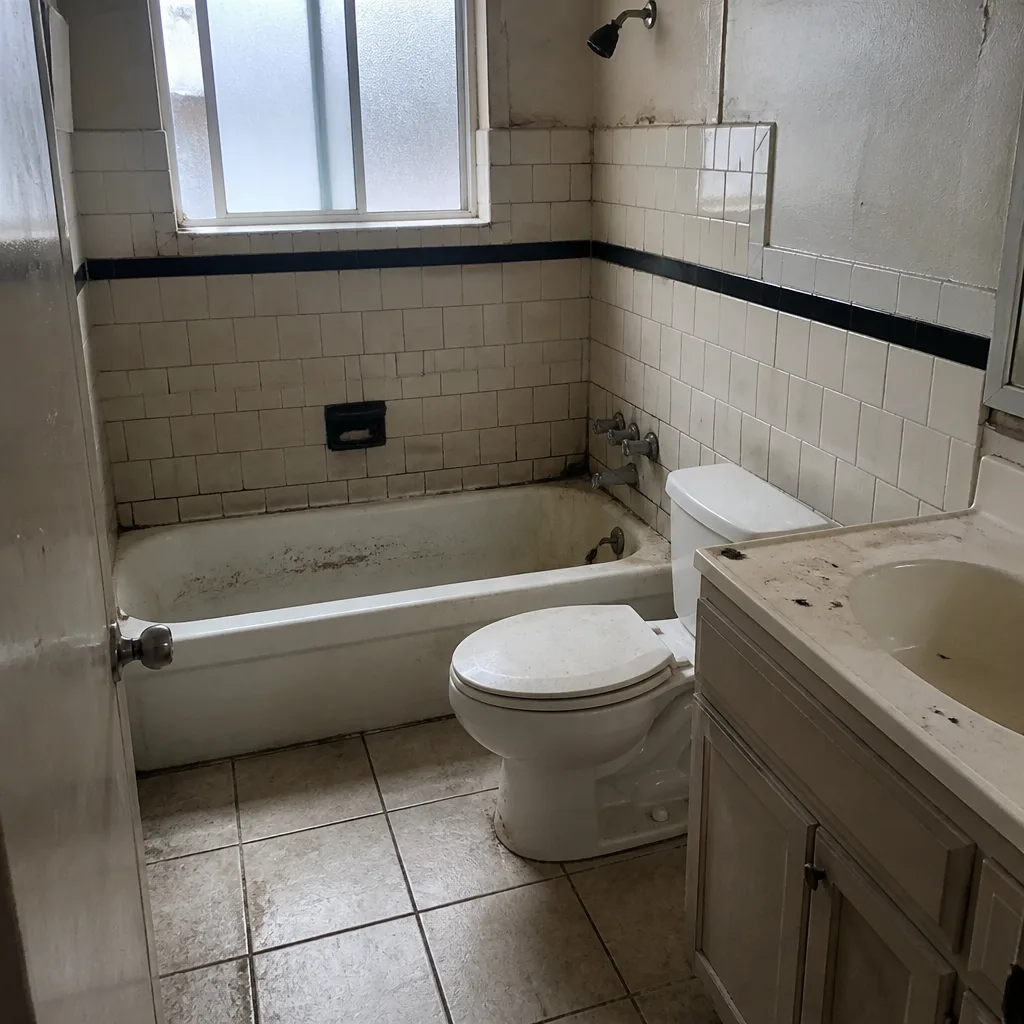 Before
 After
 Before
 After
When to Call a Professional
Some of this guide is homeowner-walkable: cleaning gutters, checking downspout extensions, walking the grading, documenting stains with photos. Some of it isn’t, and calling a professional isn’t a defeat, it’s a scheduling decision. Roof work, window and door replacement, fence post installation, concrete repair, and any installation involving structural attachments involve real fall or load risk and need trained people. The same is true for any moisture intrusion you can’t trace with confidence to a specific entry point: chasing it wrong wastes a season.
If the walk in September or the inspection in spring turns up evidence you don’t have a clear fix for, having a professional look at it before the next weather window closes is a lot cheaper than a repair later. Groundwork Construction Co. of Antioch offers free estimates in Antioch, upfront pricing with the number you see being the number you pay, and calls are answered by a live person 24/7, not a voicemail tree. To schedule your free estimate, call (888) 419-3650.
Frequently Asked Questions
The September – October pre-rain prep sequence, made up of roof flashing checks, gutter clearing, caulk re-sealing, grading walk, downspout extension, and fence and driveway inspection. That six-week window before the first storm is when everything water-facing gets its only real chance to be ready. Miss it and spring is spent repairing instead of inspecting. Call (888) 419-3650 to schedule a free pre-rain inspection estimate.
Antioch averages fewer than 15 inches of rain annually, and around 80% of that falls in a 90-day window between late October and mid-January. The concentration is what matters: the annual total is small, but the load arrives fast, so drainage, caulking, and grading get one narrow test per year rather than steady exposure. Build your maintenance calendar around that window and you’ll catch problems before they compound. Call us for a free estimate if the walk turns up items you’re not sure about.
Yes, but summer pours need cure management, not just scheduling. Peak heat causes flash-drying and weakens the concrete, so the reliable approach is an early-morning pour, surface cover during cure, and no direct midday sun on fresh concrete. Spring and fall are gentler, but summer works fine with the right controls. Call (888) 419-3650 for a free estimate on driveway, patio, or walkway work.
Every 2-3 years in Antioch, and inspect annually in early fall. The heat cycling here (95°F+ summers, cool nights) pulls caulk back faster than coastal Bay Area conditions, and today’s caulk can look fine in August and be cracked open by the November rains. A quick annual inspection catches it before it fails. Call us for a free estimate if a re-caulk is on the fall list.
No. Antioch’s wind exposure from the Delta doesn’t justify wind-zone hardware or debris-impact ratings designed for coastal hurricane zones. A properly installed, code-compliant window from a quality brand handles the local exposure. The installation quality matters far more than the wind rating. Call (888) 419-3650 for a free estimate on window or door replacement.
Post stability first, then panel attachment, then gate function. Rock each post by hand; a post that moves in fall will lean by spring. Then check where the panel connects to the post (fastener pull-out is common), and open and close the gate to see if it racks or binds. If the post has failed, the panel has to come off anyway. Call us for a free fence installation estimate if repairs are on the list.
The Bottom Line
Antioch’s climate looks gentle on paper and behaves like a set of sharp tests on a strict calendar. September and October are the prep window before the rain; spring is the only stretch where moisture evidence is still visible; the dry summer is the best construction calendar of the year. Focus maintenance on the water-facing systems (roof, caulk, grade, downspouts, fence posts, driveway and paver joints) and you avoid the most expensive failures. When a repair or replacement lands on the list, get an upfront number, a background-checked crew, and a long-horizon workmanship guarantee standing behind it. Groundwork Construction Co. of Antioch backs every project with the 730-Day Done Right Promise, uses a curated set of brands across each trade, and offers 0% financing for 18 months plus $1,000 off projects over $10,000. Call (888) 419-3650 to schedule your free estimate; the call is answered by a live person, 24/7.
Written by the team at Groundwork Construction Co. of Antioch.